About Us
We are professional cooling tower fills manufacturer, which can supply wide ranges of cooling tower fills with PVC, PP or CPVC materials.

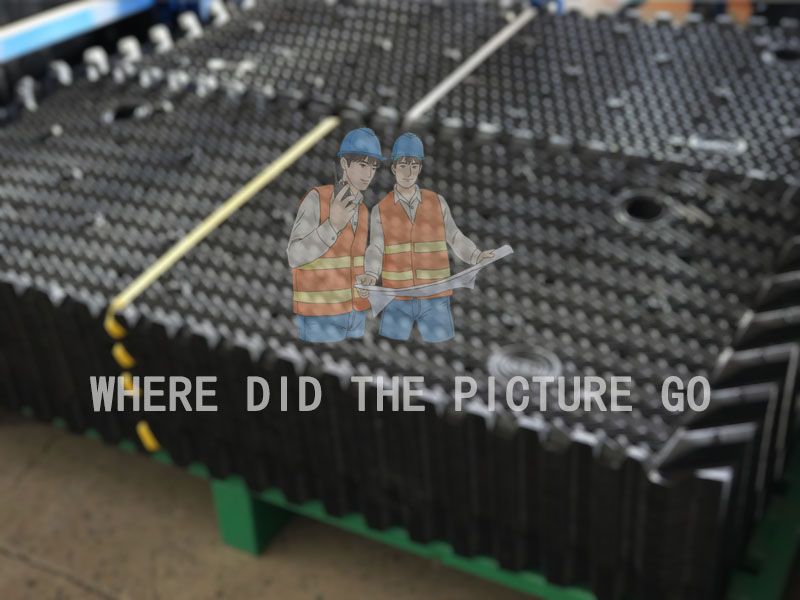
The textile manufacturing industry requires stable production conditions and precise temperature control throughout many processes. From spinning and weaving to dyeing and finishing, industrial equipment generates heat that needs to be removed effectively.
Cooling systems help textile factories maintain suitable operating temperatures, improve equipment performance, and support consistent product quality.
Cooling towers are widely used in textile plants because they provide an efficient method for removing heat from circulating water systems. Inside the cooling tower, the fill media is a key component that influences overall heat transfer performance.
A suitable cooling tower fill improves water and air contact, allowing the cooling system to operate more effectively. For textile factories, choosing the right cooling tower packing can help maintain stable cooling performance during long production cycles.
Textile manufacturing includes many processes that require temperature management. Cooling systems are commonly used to remove heat generated by production equipment and maintain stable working conditions.
Typical applications include:
In large textile factories, cooling systems often operate for long periods every day. Reliable cooling performance is important for maintaining production efficiency.
The main purpose of cooling tower fill media is to increase the contact area between water and air.
During cooling tower operation, hot water flows through the fill section while air passes through the structure. The interaction between water and air allows heat to transfer through evaporation.
A properly selected fill solution helps:
For textile applications, cooling tower fill needs to balance cooling efficiency with long-term durability.
Many textile factories operate multiple shifts to maintain production schedules.
Cooling systems must provide stable performance throughout extended operating periods.
Aging or unsuitable cooling tower components may affect production efficiency and increase maintenance requirements.
Textile factories often use large amounts of process water. Depending on the production process, circulating water may contain different levels of minerals, particles, or treatment chemicals.
Poor water quality can influence cooling tower fill performance by causing:
Proper water treatment and suitable fill selection are important for maintaining cooling system performance.
Many textile factories are located in tropical and humid regions such as Southeast Asia.
High humidity conditions create additional challenges for cooling system operation.
Cooling tower components need to maintain reliable performance under long-term exposure to moisture and temperature changes.
Different textile factories have different cooling requirements depending on production processes, factory size, and local climate conditions.
Before selecting fill media, engineers should consider:
Film Fill is commonly used in modern cooling tower systems because it provides a large heat exchange surface area.
Its surface design allows water to spread evenly across the fill sheets, improving the interaction between water and air.
Film Fill is suitable for textile applications where:
Material selection affects the durability and service life of cooling tower fill.
PVC cooling tower fill is widely used in many industrial and commercial cooling applications.
It provides balanced performance and is suitable for many textile factory cooling systems with standard operating conditions.
PP material provides good temperature resistance and chemical stability.
For textile factories with higher temperature conditions or special water treatment requirements, PP cooling tower fill may be considered.
Improving cooling performance requires attention to the complete cooling system rather than only replacing one component.
Several practical methods include:
Many textile factories operate cooling towers for many years. Over time, cooling tower fill may experience aging, deformation, or reduced performance.
Common signs that replacement may be required include:
Replacing old fill media is often a practical method to improve cooling performance without replacing the entire cooling tower system.
Airflow is an essential part of the cooling process. The interaction between air and water inside the fill area determines heat transfer efficiency.
The Air intake grille helps control incoming air and supports stable airflow conditions.
For textile factories located in dusty industrial environments, maintaining clean and effective air intake areas can improve cooling tower performance.
Water management is becoming increasingly important in textile manufacturing.
Many factories are looking for ways to reduce water consumption while maintaining reliable cooling performance.
The Water Collector helps reduce water droplets leaving the cooling tower with discharged air.
Better water recovery helps improve resource utilization and supports more efficient cooling system operation.
Regular inspection and maintenance can help textile factories keep cooling systems operating effectively.
Important maintenance activities include:
Preventive maintenance helps reduce unexpected production interruptions and extends equipment service life.
The textile industry is moving toward more efficient and sustainable production methods.
Future cooling systems are expected to focus on:
Cooling tower components such as fill media, airflow accessories, and water management systems will continue improving to meet changing industrial requirements.
Cooling systems play an important role in textile manufacturing by supporting stable production conditions and protecting industrial equipment.
The selection of suitable tower fill should consider operating temperature, water quality, climate conditions, and maintenance requirements.
For textile factories in Southeast Asia, South Asia, and the Middle East, a reliable cooling tower fill solution can help improve cooling efficiency and support long-term production stability.
By combining suitable fill media with effective airflow control and water management, textile manufacturers can achieve more reliable cooling performance and reduce operational challenges.
Leave a comment
All fields marked with an asterisk (*) are required