
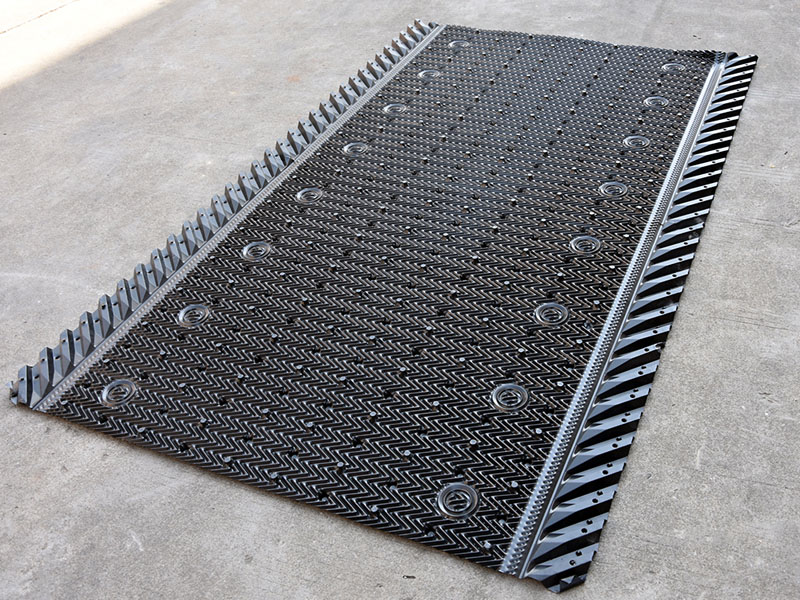
In any cooling system, the performance of cooling tower fill plays a key role in determining efficiency, stability, and operating cost. Cooling tower fills are responsible for maximizing the contact area between water and air, which directly affects how well heat is removed. That is why buyers and engineers often search for cooling tower fill replacement, cooling tower filler, cooling tower filler factory, tower fill, cooling tower fills, and fill replacement factory when planning upgrades or solving performance issues.
This final guide in the weekly series brings everything together. It covers the basics of cooling tower fill, how to choose the right type for different systems, material options, structure design, performance factors, installation tips, and maintenance strategies. If you want a clear overview before making a decision, this article will help you connect all the key points.
What Cooling Tower Fill Does In A System
Cooling tower fill is designed to improve heat transfer by spreading water into thin layers or droplets. This increases the surface area available for interaction with air. The result is more efficient cooling without increasing system load.
When the fill is working properly, water flows evenly and air passes through smoothly. When it is blocked or damaged, efficiency drops quickly. This is often when cooling tower fill replacement becomes necessary to restore performance.
Cooling Tower Types And Fill Matching
Counterflow towers
Counterflow systems require fill that provides strong heat transfer while maintaining balanced airflow. These systems often operate under demanding conditions, so the cooling tower filler must be carefully selected.
Crossflow towers
Crossflow towers need fill that supports even water distribution and easy maintenance. Cooling tower fills used in these systems should resist clogging and allow smooth operation.
Round cooling towers
Round towers require specially designed fill to match their structure. Using standard fill may result in poor performance. For better compatibility, consider: Round Cooling Tower Fill.
Material Options For Cooling Tower Fill
PVC cooling tower fill
PVC is widely used for its balance of cost and performance. It is suitable for most standard applications and offers reliable efficiency.
Product link: PVC Cooling Tower Fill.
PP cooling tower fill
PP is used in more demanding environments where higher temperature resistance and durability are required. It is a good choice for industrial systems with challenging conditions.
Product link: PP Cooling Tower Fill.
Fill Types And Structural Design
Cooling tower fill is generally divided into film fill and splash fill. Film fill creates a thin water layer for efficient heat transfer. Splash fill breaks water into droplets and is more resistant to clogging.
The choice depends on water quality and system requirements. Clean systems often benefit from film fill, while systems with impurities may require splash fill. A cooling tower filler factory can help determine the best option.
Performance And Efficiency Factors
Cooling efficiency depends on heat transfer, airflow resistance, and water distribution. A well-designed tower fill balances these factors to achieve optimal performance.
If airflow resistance is too high, energy consumption increases. If heat transfer is insufficient, cooling performance drops. Proper selection helps avoid these issues.
Standard Size And Custom Solutions
Standard cooling tower fills are suitable for many systems and allow quick replacement. However, some towers require custom solutions due to unique dimensions or design changes.
Custom fill ensures proper fit and better performance. A fill replacement factory can produce fill based on exact specifications to match the system.
Important Buying Considerations
When purchasing cooling tower fill, consider operating temperature, water quality, airflow design, and installation space. These factors affect both performance and service life.
Choosing a reliable cooling tower filler factory is also important. A professional supplier can provide technical support and ensure consistent quality.
Installation Guidelines
Proper installation is essential for achieving expected performance. Fill should be aligned correctly and supported securely. Gaps or misalignment can reduce efficiency.
It is also important to check water distribution systems to ensure even flow across the fill surface.
Maintenance For Long Term Performance
Regular maintenance helps extend the lifespan of cooling tower fill. Cleaning, inspection, and monitoring are key activities. Preventive maintenance reduces the need for frequent replacement.
Systems operating in harsh conditions may require more frequent maintenance. Early detection of issues helps avoid major problems.
Working With A Professional Supplier
A reliable cooling tower filler factory can provide not only products but also technical support. This includes helping with material selection, structure design, and customization.
Direct communication with the supplier ensures accurate specifications and smooth project execution.
Conclusion
Cooling tower fill is a critical component that affects system efficiency and reliability. Understanding material options, structure design, and installation requirements helps you make better decisions.
Whether you are planning a new installation or a cooling tower fill replacement, taking a comprehensive approach ensures better performance and long-term value.
Start Your Cooling Tower Fill Project With Confidence
If you are unsure about specifications, you can send us your drawings, sizes, or sample photos. Our team will help you review your project and recommend the most suitable solution.
Leave a comment
All fields marked with an asterisk (*) are required