
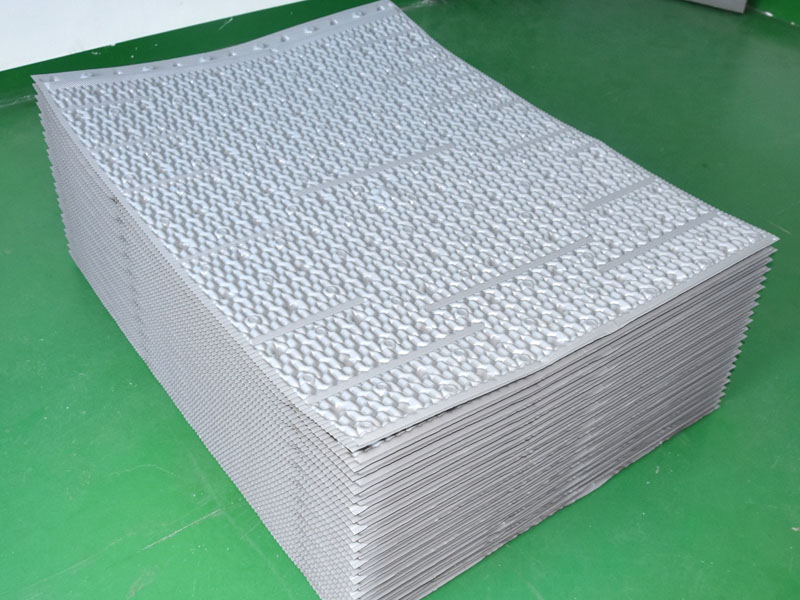
In many industrial systems, improving efficiency does not always require a full upgrade. Sometimes, optimizing the cooling tower fill can make a noticeable difference. Cooling tower fills are at the core of heat exchange, and even small improvements in structure, material, or installation can lead to better cooling results. This is why many engineers and buyers search for cooling tower fill replacement, cooling tower filler, cooling tower filler factory, tower fill, cooling tower fills, and fill replacement factory when they want to enhance system performance without major changes.
This article focuses on practical ways to improve performance through better fill selection and management. We will cover how fill works, how different tower types influence the choice, what materials are suitable, how structure impacts efficiency, and what steps can help extend service life. If your system is not performing as expected, this guide can help you identify possible improvements.
Basic Function Of Cooling Tower Fill
Cooling tower fill increases the surface area where water and air interact. The goal is to maximize heat transfer while maintaining smooth airflow. When water spreads evenly across the fill surface, it forms thin layers or droplets that allow efficient cooling.
Over time, fill performance can decline due to scaling, dirt accumulation, or material aging. When this happens, the system may require cooling tower fill replacement. Replacing old or damaged fill can restore efficiency and reduce energy consumption.
Matching Fill To Different Cooling Tower Designs
High efficiency counterflow systems
These systems rely on strong interaction between upward airflow and downward water flow. The fill must support high thermal performance without causing excessive resistance. In such applications, selecting the right cooling tower filler is essential to maintain efficiency.
Crossflow systems in commercial use
Crossflow towers are commonly used in buildings and light industry. They require fill that ensures even water distribution and easy maintenance. In these systems, cooling tower fills should be resistant to clogging and simple to replace when needed.
Round tower configurations
Round towers require specially shaped fill to match their internal structure. Using standard fill in these systems may lead to uneven airflow and reduced performance. For better compatibility, consider solutions like: Round Cooling Tower Fill.
Material Selection For Different Conditions
PVC material advantages
PVC cooling tower fill is widely used due to its cost effectiveness and stable performance. It is suitable for most standard applications where temperature and chemical exposure are within normal limits.
Product link: PVC Cooling Tower Fill.
PP material advantages
PP cooling tower fill offers better resistance to high temperature and chemicals. It is often used in industrial systems where durability is critical. This material is a good choice for long-term performance in demanding environments.
Product link: PP Cooling Tower Fill.
Fill Structure And Its Role In Efficiency
Fill structure determines how water flows and how air moves through the system. Film fill creates a continuous water layer for efficient heat transfer, while splash fill breaks water into droplets, reducing clogging risk in dirty conditions.
The right structure depends on water quality and system requirements. In clean systems, film fill often provides higher efficiency. In systems with impurities, a more open design may be more reliable. A cooling tower filler factory can help determine the best option based on actual conditions.
Improving Performance Without Major Changes
In many cases, performance can be improved without replacing the entire system. Upgrading tower fill, improving water distribution, or adjusting airflow can lead to better results. These changes are often more cost effective than large equipment upgrades.
For example, replacing old or clogged fill with new cooling tower fills can restore heat transfer efficiency. Similarly, correcting uneven water flow can improve overall system performance.
Standard Fill Versus Custom Solutions
Standard size fill is suitable for many applications and offers quick installation. However, some systems require custom solutions due to unique dimensions or design changes. Custom fill ensures better fit and performance.
A fill replacement factory with customization capability can produce fill that matches exact specifications. This helps avoid installation issues and ensures optimal operation.
Key Considerations Before Replacement
Before starting a cooling tower fill replacement project, it is important to evaluate system conditions. Consider factors such as water temperature, chemical exposure, airflow design, and existing structural layout.
It is also important to inspect current fill condition. Understanding the cause of performance decline can help select the right replacement. Working with an experienced cooling tower filler supplier can simplify this process.
Installation Details That Affect Results
Proper installation is essential for achieving expected performance. Fill should be installed evenly, with correct alignment and support. Any gaps or misalignment can reduce efficiency.
It is also important to ensure that water distribution systems are functioning properly. Even the best cooling tower filler cannot perform well if water is not evenly distributed.
Maintenance Practices For Longer Service Life
Regular maintenance helps keep cooling tower fill in good condition. This includes cleaning, inspection, and monitoring of water distribution. Preventive maintenance can reduce the need for frequent replacement.
In systems with challenging water conditions, more frequent maintenance may be required. Early detection of issues can prevent larger problems and extend fill lifespan.
Common Issues In Cooling Tower Fill Applications
Common issues include clogging, scaling, and structural damage. These problems can reduce efficiency and increase energy consumption. Identifying the root cause is important for effective solutions.
Working with a professional cooling tower filler factory can help address these issues. They can recommend suitable materials and structures based on specific conditions.
Conclusion
Cooling tower fill is a key factor in system performance. Optimizing fill selection and maintenance can improve efficiency and reduce operating costs. Whether you are upgrading or replacing existing fill, careful planning is essential.
By understanding material options, structure design, and installation requirements, you can achieve better results and ensure long-term system stability.
Support For Your Cooling Tower Fill Project
If you are not sure how to select or replace your cooling tower fill, you can send us your drawings or sample photos. We will help you analyze the structure and recommend a suitable solution based on your system.
Leave a comment
All fields marked with an asterisk (*) are required