About Us
We are professional cooling tower fills manufacturer, which can supply wide ranges of cooling tower fills with PVC, PP or CPVC materials.

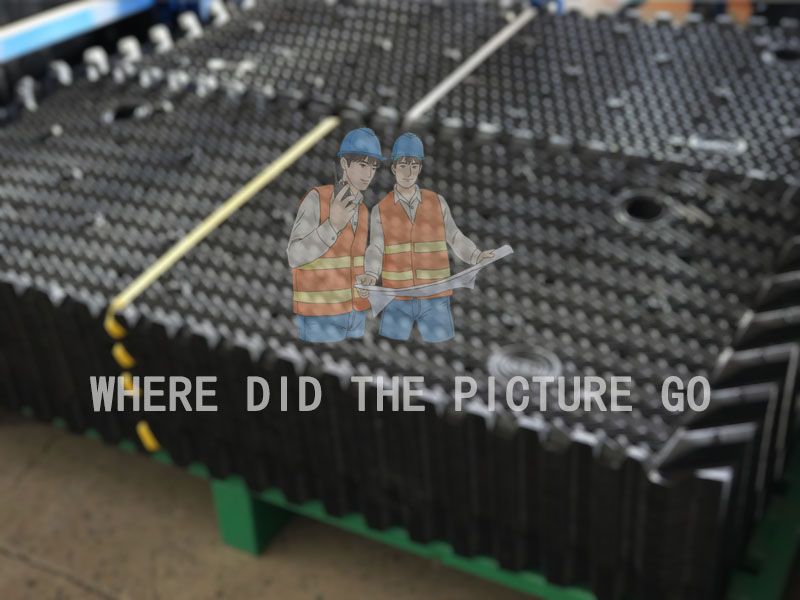
Let me be honest — a lot of cooling tower systems work great in the beginning, but after about a year, performance starts dropping. If you're operating in Southeast Asia, this happens even faster. The reason is usually not the tower itself, but the cooling tower filler inside.
High humidity, dust, biological growth, and unstable water quality all put pressure on your cooling tower fills material. If the structure or material isn’t matched properly, clogging and deformation will show up earlier than expected.
A factory installs high-efficiency cooling tower packing, expecting better performance. But within months, airflow resistance increases because the fill channels are too narrow for the actual water condition. Efficiency drops instead of improving.
People often focus on surface area when choosing cooling tower packing. While that matters, it’s only one part of the story.
In Southeast Asia, I usually recommend a medium-density cooling tower filler. It gives you decent efficiency without creating maintenance problems later.
Temperature plays a bigger role than many expect:
Using PVC in high-temperature systems often leads to softening and deformation. Once the structure collapses, your cooling tower packing stops working efficiently.
Water quality in Southeast Asia varies a lot. Suspended solids and biological growth are common, which means:
If your system is already running but underperforming, you don’t always need a full replacement. Sometimes upgrading the cooling tower filler is enough.
You don’t need complicated maintenance plans. Just stay consistent:
If you’re using modular cooling tower packing, partial replacement becomes much easier. This reduces downtime and avoids unnecessary costs.
Upgrading your cooling tower filler is one of the simplest ways to recover lost efficiency. But the key is not choosing the “best” product on paper — it’s choosing the one that fits your actual operating conditions.
In Southeast Asia, stable performance always beats theoretical efficiency. A well-matched cooling tower fills material combined with practical cooling tower packing design will save you more trouble than chasing maximum performance numbers.
Leave a comment
All fields marked with an asterisk (*) are required