Crossflow Film Fill: Enhancing Cooling Tower Performance for Energy-Efficient Operations
Cooling towers play a critical role in industrial and commercial cooling systems by removing heat from circulating water. As energy efficiency becomes an increasing concern, especially in industries like power generation, HVAC, and chemical processing, upgrading cooling tower systems to use high-performance crossflow film fill has become a common choice for improving efficiency and reducing operational costs.
What is Crossflow Film Fill?
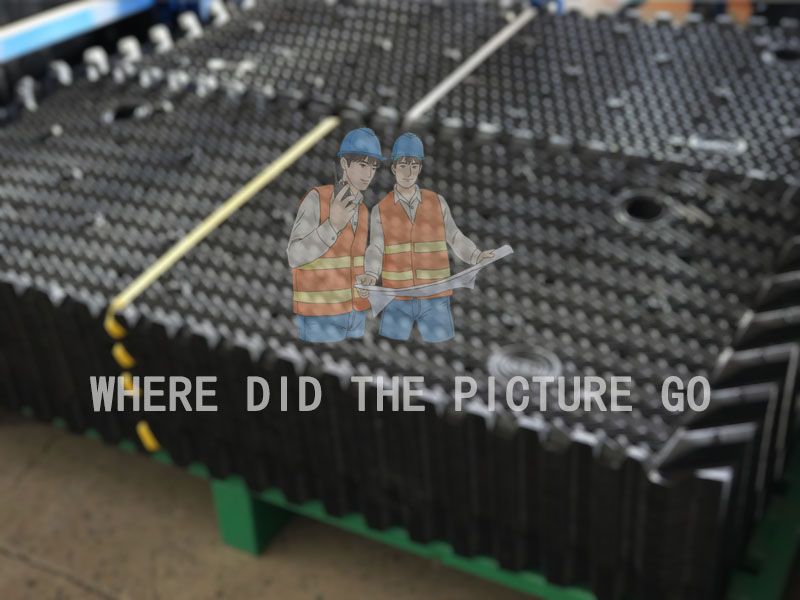
Crossflow film fill is a type of fill used in cooling towers where water flows vertically down the fill media, while air flows horizontally across the fill. This design promotes better heat transfer by allowing water to spread over the surface in a thin film, maximizing the surface area for contact with air and enhancing the evaporation process. The increased efficiency of heat transfer leads to superior cooling performance, making it ideal for large and energy-intensive cooling systems.
How Crossflow Film Fill Works
The basic function of crossflow film fill is to increase the surface area over which water and air come into contact. By using engineered corrugated sheets that form the fill, the design promotes uniform water distribution, reducing the formation of hot spots and optimizing the heat transfer process.
The air flows horizontally through the cooling tower, which causes it to pass over the water film as it moves downward. This interaction allows the heat from the water to be absorbed by the air, resulting in cooler water at the base of the tower. The efficiency of this heat exchange mechanism ensures that the cooling system runs at peak performance, even under high thermal loads.
Why Choose Crossflow Film Fill for Cooling Tower Efficiency?
There are several compelling reasons why crossflow film fill is considered a superior choice for cooling towers, particularly for energy-conscious applications:
- High Thermal Efficiency: The primary advantage of crossflow film fill is its ability to improve heat transfer efficiency. By spreading the water into a thin film over a large surface area, the heat transfer between water and air is maximized, leading to higher cooling capacity and lower energy use.
- Energy Savings: Crossflow film fill minimizes the need for higher fan speeds, which in turn reduces energy consumption. The optimized heat exchange reduces the strain on the system, allowing fans to operate at lower speeds while still achieving the desired cooling effect.
- Uniform Water Distribution: The design of the fill ensures that water is evenly distributed over the surface, preventing the formation of hot spots and maximizing cooling efficiency across the entire tower.
- Reduced Operational Costs: The improved efficiency and reduced energy consumption translate directly into lower operating costs for the facility, making it an attractive investment for companies looking to reduce their energy footprint.
- Durability: Made from materials such as PVC and polypropylene (PP), crossflow film fill is resistant to corrosion, scaling, and fouling. This makes it highly durable and long-lasting, even in harsh industrial environments.
Material Options for Crossflow Film Fill
The material used for crossflow film fill plays a crucial role in its performance and longevity. Depending on the specific application and operating conditions, different materials may be selected:
- PVC (Polyvinyl Chloride): PVC is the most widely used material for crossflow film fill because of its excellent cost-effectiveness, durability, and resistance to corrosion. PVC works well in a wide range of industrial applications, especially where the water temperature is moderate.
- Polypropylene (PP): Polypropylene is used in environments with higher temperatures or chemically aggressive water. Its resistance to heat and chemicals makes it a preferred option for more demanding applications.
- Other Materials: For specialized environments with extreme conditions, materials like PVDF (Polyvinylidene Fluoride) or fiberglass can be used. These materials provide superior performance under high temperatures or in applications with high chemical exposure.
Benefits of Upgrading to Crossflow Film Fill
Upgrading to crossflow film fill in an existing cooling tower can significantly improve the performance and efficiency of the system. Key benefits include:
- Improved Heat Transfer: The structured fill surface allows for better distribution of water over the fill, increasing the area for heat exchange and improving cooling efficiency.
- Lower Energy Consumption: By achieving higher heat transfer with lower fan speeds, crossflow film fill reduces the energy required for cooling, resulting in substantial savings over time.
- Reduced Maintenance Costs: Crossflow film fill materials, such as PVC and PP, are resistant to fouling and corrosion, reducing the need for frequent cleaning and replacement.
- Enhanced System Reliability: With improved heat transfer and durability, the cooling tower system becomes more reliable and requires less downtime, helping operations run smoothly and efficiently.
- Environmental Impact: The energy savings from using crossflow film fill help reduce the carbon footprint of the cooling system, contributing to a facility’s overall sustainability goals.
Application Areas for Crossflow Film Fill
Crossflow film fill is well-suited for various industrial applications that require efficient and reliable cooling. Some common sectors include:
- Power Generation: Power plants often require large cooling towers to dissipate the heat produced during electricity generation. Crossflow film fill helps optimize the performance of these cooling systems, ensuring that power plants operate at peak efficiency.
- HVAC Systems: Commercial buildings and large industrial facilities with extensive HVAC systems benefit from the efficient cooling provided by crossflow film fill, helping to maintain comfortable temperatures while reducing energy consumption.
- Chemical Processing: Chemical manufacturing plants often deal with high heat loads, making effective cooling crucial. Crossflow film fill provides the thermal efficiency needed for these high-temperature environments.
- Oil & Gas: In the oil and gas industry, crossflow film fill is used to cool water used in extraction and refining processes. The durability of crossflow fill ensures reliable performance in these harsh environments.
- Food & Beverage: In food processing facilities, efficient cooling systems are necessary to maintain product quality. Crossflow film fill offers the energy-efficient cooling needed in these high-volume environments.
Maintenance and Care for Crossflow Film Fill
While crossflow film fill generally requires less maintenance than older fill types, regular care is necessary to maintain optimal performance. Key maintenance practices include:
- Routine Inspections: Periodic checks of the fill surface for wear, damage, or fouling will ensure that the system operates efficiently.
- Cleaning: Cleaning the fill periodically removes debris, scale, and biofilm buildup, preventing clogging and reducing air resistance.
- Water Treatment: Proper water treatment is essential to prevent scaling, biological growth, and fouling, which can affect the fill’s heat transfer efficiency.
- System Monitoring: Regular monitoring of system performance helps identify potential issues early, ensuring continuous reliable operation of the cooling tower.
Summary
Upgrading to crossflow film fill is a smart investment for industrial cooling towers looking to enhance efficiency, reduce energy consumption, and improve long-term performance. With its superior heat transfer capabilities, energy-saving potential, and durability, crossflow film fill is the ideal solution for large-scale cooling systems in a variety of industries. By optimizing cooling tower performance, facilities can achieve better operational outcomes while reducing costs and environmental impact.
Explore Crossflow Film Fill Solutions
Need Help Upgrading Your Cooling Tower?
Share your tower specifications and cooling needs with us. Our experts will help you select the best crossflow film fill solution for your application.
Contact Us

Leave a comment
All fields marked with an asterisk (*) are required