
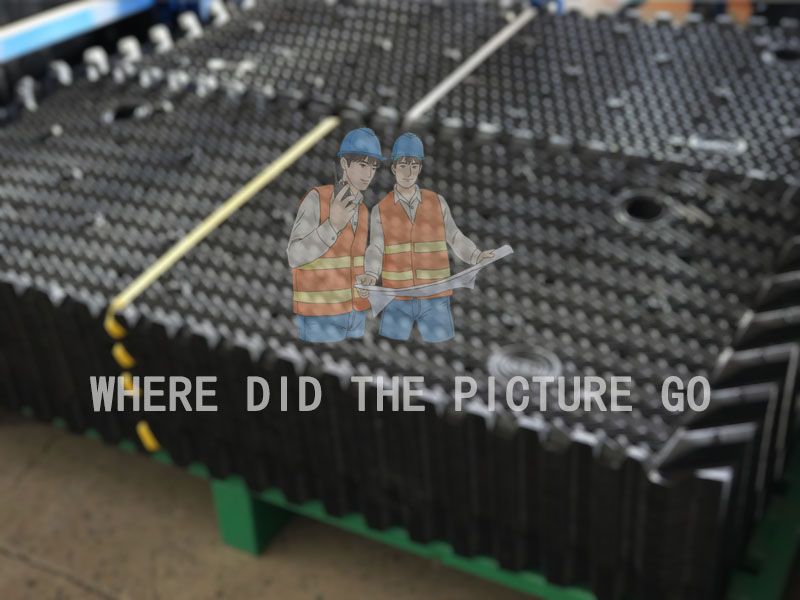
In many industrial cooling systems, performance issues are not always caused by equipment failure. In fact, a large number of efficiency problems come from improper configuration or aging of cooling tower fill. As the core component responsible for heat exchange, cooling tower fills directly impact system output, energy consumption, and long-term stability. This is why terms like cooling tower fill replacement, cooling tower filler, cooling tower filler factory, tower fill, cooling tower fills, and fill replacement factory are widely searched by engineers and procurement managers.
This article focuses on optimization strategies. Instead of just replacing components, we look at how to improve overall system efficiency by choosing the right fill, structure, and configuration. Whether you are upgrading an old system or designing a new one, understanding these methods can help you achieve better results.
Understanding The Function Of Cooling Tower Fill
Cooling tower fill increases the contact area between circulating water and air. By spreading water into thin films or droplets, it allows heat to dissipate more efficiently. The structure of the fill also controls airflow and water distribution.
When fill is optimized, the system runs smoothly with stable cooling output. When it is not, issues such as uneven cooling, higher energy usage, and frequent maintenance may occur. In such cases, cooling tower fill replacement becomes a practical solution.
Cooling Tower Types And Optimization Approach
Counterflow cooling towers
These systems require careful balance between airflow resistance and heat transfer. Optimization focuses on selecting tower fill that provides high efficiency without increasing fan load.
Crossflow cooling towers
In crossflow systems, uniform water distribution is critical. Cooling tower filler should support smooth flow and minimize dry spots to maintain performance.
Round cooling towers
Round towers require specially designed fill for proper fit and airflow distribution. Using customized solutions such as: Round Cooling Tower Fill can significantly improve system efficiency.
Material Selection For Better Performance
PVC cooling tower fill
PVC is a widely used material due to its affordability and stable performance. It is suitable for most standard applications where temperature and chemical exposure are moderate.
Product reference: PVC Cooling Tower Fill.
PP cooling tower fill
PP offers higher resistance to temperature and chemical environments. It is often used in industrial systems where durability and long service life are important.
Product reference: PP Cooling Tower Fill.
Fill Structure And Optimization Strategy
The structure of cooling tower fill determines how efficiently heat is transferred. Film fill provides high efficiency by creating thin water layers, while splash fill improves resistance to clogging by breaking water into droplets.
Optimization involves selecting the right structure based on water quality and operating conditions. A cooling tower filler factory can provide guidance based on real project requirements.
Performance Factors That Affect Efficiency
Several factors influence cooling tower performance, including airflow resistance, water distribution, and heat transfer surface area. Optimizing these factors can significantly improve efficiency.
For example, reducing airflow resistance lowers energy consumption, while improving water distribution ensures that the entire fill surface is utilized.
When To Consider Cooling Tower Fill Replacement
Replacement should be considered when there is visible damage, severe clogging, or noticeable performance decline. Waiting too long can increase operating costs and reduce system reliability.
Working with a reliable fill replacement factory ensures that new fill matches system requirements and improves performance.
Standard Versus Customized Fill
Standard cooling tower fills are suitable for general applications and offer cost-effective solutions. However, customized fill may be necessary for systems with unique dimensions or performance requirements.
Custom solutions ensure better fit, improved airflow distribution, and enhanced efficiency.
Installation Considerations
Proper installation is essential for achieving optimal performance. Fill should be installed securely with correct alignment. Any gaps or uneven placement can reduce efficiency.
It is also important to ensure that water distribution systems are functioning correctly during installation.
Maintenance For Sustained Efficiency
Regular maintenance helps maintain performance over time. Cleaning and inspection prevent clogging and detect early signs of damage.
Systems operating in challenging environments may require more frequent maintenance to ensure stable operation.
Working With A Reliable Cooling Tower Filler Factory
Choosing a professional cooling tower filler factory provides access to quality products and technical expertise. Suppliers can help evaluate system requirements and recommend suitable solutions.
This collaboration helps ensure that the selected cooling tower filler meets both performance and durability expectations.
Conclusion
Optimizing cooling tower fill is one of the most effective ways to improve system efficiency. By selecting the right material, structure, and configuration, you can achieve better cooling performance and reduce operating costs.
Whether you are planning a new installation or upgrading an existing system, a thoughtful approach to cooling tower fills will deliver long-term benefits.
Need Support For Cooling Tower Fill Optimization
If you are working on a project and need help selecting or optimizing your cooling tower fill, you can send us your drawings or technical details. We will review your requirements and provide suitable recommendations.
Leave a comment
All fields marked with an asterisk (*) are required