About Us
We are professional cooling tower fills manufacturer, which can supply wide ranges of cooling tower fills with PVC, PP or CPVC materials.

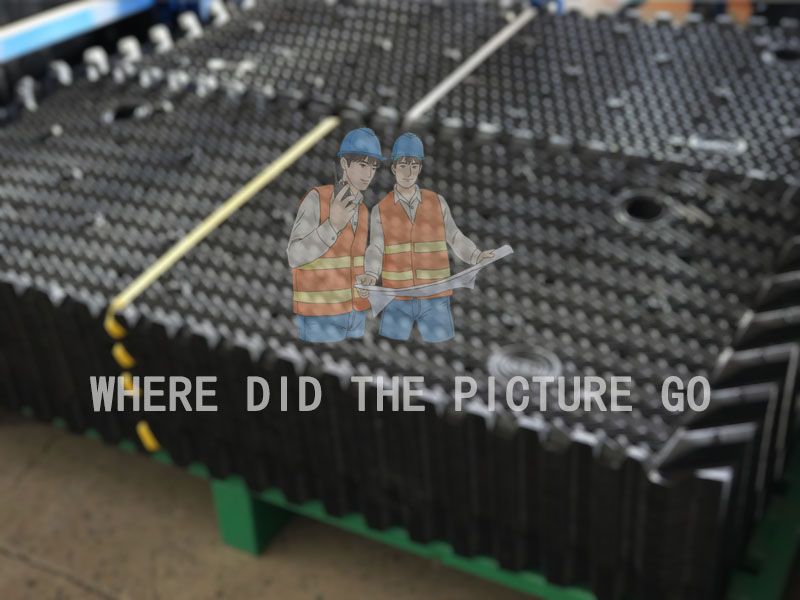
When upgrading or replacing cooling tower fill, many industrial users compare corrugated fill with traditional flat or splash-type designs. Each option has its place, but corrugated structures have become the industry standard for high-efficiency cooling due to their improved heat transfer, better water distribution, and lower operational costs.
Corrugated Fill uses structured channels to guide water flow and form a stable water film. This design enhances heat exchange while controlling airflow resistance, allowing cooling towers to operate efficiently with minimal fan energy consumption. The continuous water film increases the heat transfer surface area, which improves cooling capacity.
Older fill designs, such as splash fills or flat fills, rely on water breakup rather than creating a thin film over the surface. This often results in uneven distribution and poorer heat transfer efficiency. While splash fills are more tolerant of poor water quality, they tend to have a higher resistance to airflow and need more frequent maintenance due to scaling and fouling.
Here’s a breakdown of the performance differences between corrugated fill and traditional fills:
Modern corrugated designs are commonly manufactured from PVC or PP, offering better durability and chemical resistance compared to legacy materials. The choice of material plays a significant role in determining the longevity and performance of the fill, especially in industrial settings where exposure to high temperatures and corrosive substances is common.
With proper water treatment, corrugated fill requires less frequent cleaning and delivers more stable long-term performance. It also significantly reduces the risk of biological growth or scale accumulation. In contrast, traditional fills tend to accumulate debris more quickly and often require manual cleaning or replacement.
Corrugated fill is easy to install and often requires fewer modifications during a retrofit or replacement. Its modular nature allows it to fit into a variety of tower configurations without significant changes to the tower structure. This is a key advantage for cooling tower owners looking to improve performance without large-scale renovations.
For most industrial cooling applications, corrugated fill provides a better balance of efficiency, reliability, and operational cost. While traditional fills may still have a place in certain applications, corrugated designs are generally more efficient, require less maintenance, and are better suited for modern cooling towers.
Explore Corrugated Fill Options
Share your current fill type and operating conditions. We will help you evaluate whether corrugated fill is suitable for your system.
Contact Us
Leave a comment
All fields marked with an asterisk (*) are required