About Us
We are professional cooling tower fills manufacturer, which can supply wide ranges of cooling tower fills with PVC, PP or CPVC materials.

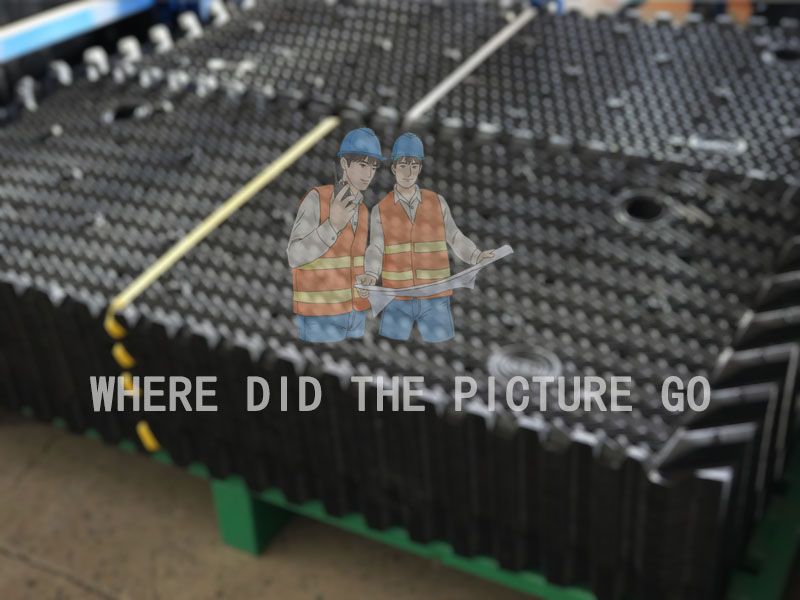
If you've been around industrial cooling systems, you know the cooling tower fill is the workhorse inside. I've helped dozens of plant managers pick the right media, and the most common question is: “Which fill type works best for my tower?” This guide walks you through everything — from understanding tower types to choosing materials and knowing when to schedule cooling tower fill replacement. We're a direct cooling tower filler factory, so I'll share insider tips that most resellers won't tell you.
Cooling tower filler is the surface where hot water spreads out to meet air. Without good cooling tower fills, heat transfer drops and your energy bill jumps. Modern tower fill is usually PVC or PP sheets stacked together. A quality fill replacement factory will help you match the fill to your specific operating conditions.
In crossflow towers, water falls by gravity while air moves horizontally. The fill sits in a vertical bank, easy to reach from side access doors. Crossflow fill often uses vertical flutes. For cooling tower fill replacement on crossflow units, you can replace one section without shutting down the whole tower.
Counterflow towers push air upward against falling water. The fill is stacked in a deep horizontal bed. This design transfers heat more efficiently but creates higher air resistance. Counterflow fill needs precise alignment — gaps cause air bypass. Always buy from a cooling tower filler factory that provides pre-cut blocks for your exact tower dimensions.
Round towers have a cylindrical shape. Standard square fill leaves triangular gaps where air slips through. That's why we manufacture Round Cooling Tower Fill — wedge-shaped blocks that fit perfectly. No gaps means maximum cooling per square foot.
Induced draft towers pull air through the fill; forced draft pushes air. The direction doesn't change fill type much, but forced draft towers can experience uneven air distribution. Use a fill with wider flutes at the air inlet side to balance flow.
Here's what you'll find in the market:
We also produce Air intake grille to keep debris off your fill, and Cooling tower water collector to reduce drift losses.
When comparing cooling tower fills, ask for the KaV/L value at your design water flow. Film fill typically delivers 2–3 times higher KaV/L than splash fill. But don't just chase numbers — dirty water will clog high-density film fill within months. Match efficiency with fouling tendency.
Most cooling tower filler factory offers standard blocks like 24"x24"x48". However, old or foreign-made towers often need custom sizes. We cut fill to exact measurements, including round sectors for round towers. Cooling tower fill replacement with custom dimensions eliminates air bypass and boosts cooling by 15-25**.
Upgrading old splash bars to modern film fill reduces water consumption because better cooling means less blowdown. Some facilities cut water use by 15** after a tower fill upgrade. Pair that with a new water collector and you save even more. It's good for your bottom line and the planet.
Choosing cooling tower filler doesn't have to be confusing. I recommend starting with a simple test: pull out one old block and measure its thickness, flute spacing, and material. Then call us with that info. We'll guide you to the right replacement, whether it's PVC, PP, or round cut.
Leave a comment
All fields marked with an asterisk (*) are required