About Us
We are professional cooling tower fills manufacturer, which can supply wide ranges of cooling tower fills with PVC, PP or CPVC materials.

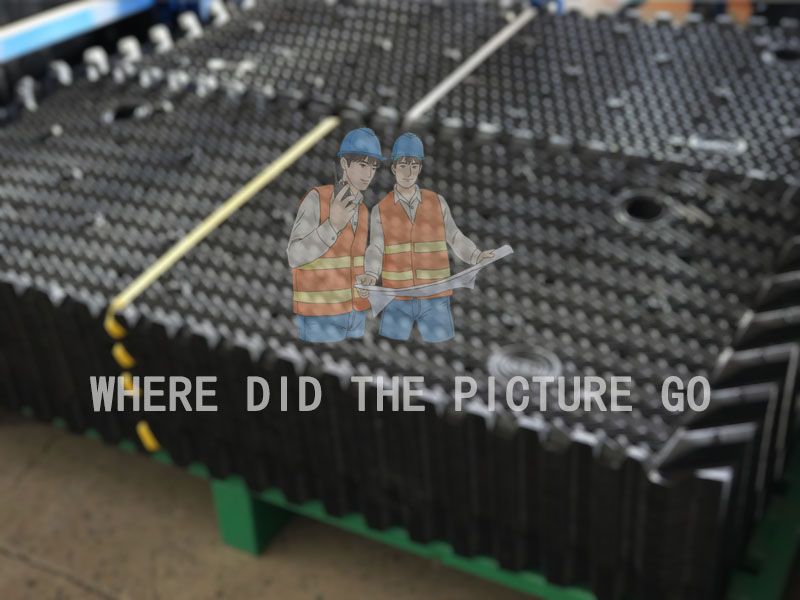
Industrial cooling towers often rely on efficient water-to-air heat exchange for optimal performance. In many crossflow cooling towers, the introduction of Crossflow Film Fill can significantly improve thermal efficiency and operational cost-effectiveness. This fill type provides a superior alternative to traditional splash fills by promoting better heat transfer and reducing energy consumption.
Crossflow Film Fill is designed to work within crossflow cooling towers, where water flows vertically while air moves horizontally through the fill material. The film fill consists of thin sheets or layers that direct water into a continuous film, providing an expansive surface area for heat exchange. This design improves the thermal performance of the tower, especially in applications with high thermal loads.
In industrial settings, the choice of cooling tower fill plays a crucial role in maximizing performance while minimizing energy consumption. Crossflow towers are designed to optimize air and water flow, and using the right fill material is essential to achieving these goals. Crossflow Film Fill works well in these systems for the following reasons:
Traditional fills, such as splash fills or grid fills, can be less efficient than Crossflow Film Fill due to their limited surface area and inefficient water distribution. Here’s how crossflow film fill stacks up against other common fill types:
The materials used for Crossflow Film Fill are crucial in determining the durability, chemical resistance, and overall performance of the cooling tower system. Some of the common materials used include:
Installing Crossflow Film Fill is straightforward for most modern cooling towers. It involves placing the fill material into the tower structure in a way that allows for optimal water distribution and airflow. The modular design of the fill makes installation easier and allows for quick replacement during retrofitting projects.
Routine maintenance for crossflow film fill involves inspecting the fill for signs of damage, scaling, or fouling. Regular water treatment and cleaning schedules are essential to ensure the fill’s longevity and maintain high efficiency. While the fill material itself is durable, the tower’s overall performance can still be affected by improper maintenance or poor water quality.
In industries such as power generation, petrochemical, and manufacturing, cooling towers face challenging conditions, such as high thermal loads, aggressive water chemistry, and harsh environmental factors. Crossflow Film Fill is particularly suited for these environments because:
For industrial cooling towers, Crossflow Film Fill offers significant advantages in terms of heat transfer, energy efficiency, and maintenance. By improving water distribution and optimizing heat exchange, crossflow film fill helps reduce energy costs while ensuring reliable, long-term performance in demanding industrial environments.
Explore Crossflow Film Fill Solutions
Tell us about your cooling tower requirements and operating conditions. Our team can help you select the best fill for your system.
Contact Us
Leave a comment
All fields marked with an asterisk (*) are required