About Us
We are professional cooling tower fills manufacturer, which can supply wide ranges of cooling tower fills with PVC, PP or CPVC materials.

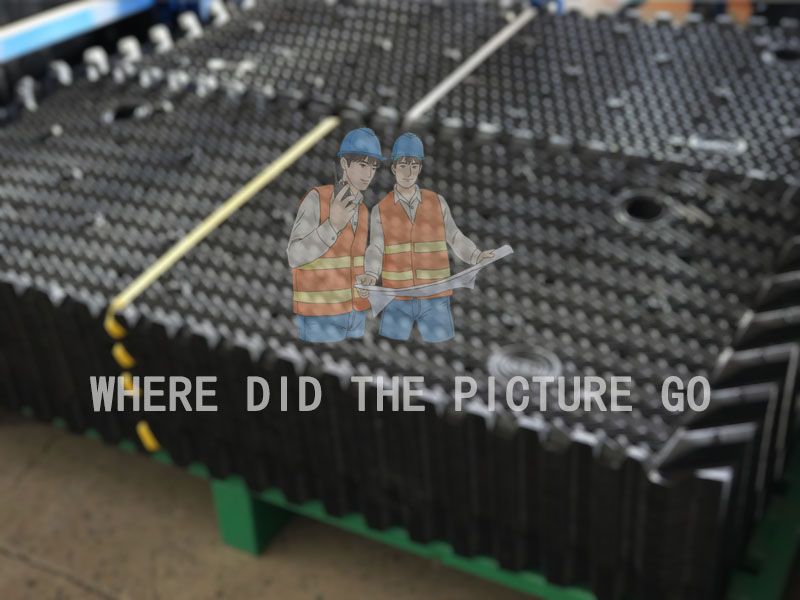
Many industrial cooling systems fail to reach design performance, especially in hot regions with unstable water quality. In most cases, the root cause is not mechanical—it’s the cooling tower fill. Poor selection or aging cooling fill leads to reduced heat transfer, higher energy use, and frequent maintenance.
For engineers and procurement teams, choosing the right cooling tower fill media is a critical decision. A well-matched solution can increase cooling tower fill efficiency by more than 10** while extending service life.
Cooling tower fill is designed to maximize contact between water and air. It spreads water into thin layers or droplets, increasing surface area and improving heat dissipation.
In practical terms, tower fill controls how effectively heat is removed. Even a high-capacity system will underperform if the fill is not optimized.
Film fill cooling tower systems create a thin water film over structured sheets, delivering maximum surface exposure.
Splash fill cooling tower designs rely on breaking water into droplets, improving tolerance to dirty water.
Corrugated fill offers guided water flow and balanced performance between efficiency and durability.
Cooling Tower Packing Filll made from PVC is widely used due to its cost advantage and easy installation.
PP Cooling Tower Fill Media is designed for higher temperatures and aggressive chemical environments.
The design and condition of cooling tower fill directly impact system output. Efficient cooling tower fill media ensures uniform water distribution and optimal airflow.
Important performance factors:
In one case, upgrading cooling tower fill design improved outlet temperature by 2–3°C, resulting in noticeable process efficiency gains.
Selection should be based on real operating conditions:
General guideline:
Additional references for procurement:
Cooling tower fill clogged leads to uneven airflow and reduced cooling capacity.
Mineral buildup blocks effective heat transfer surfaces.
Over time, cooling tower fill material degrades due to thermal and chemical stress.
Frequent clogging due to suspended solids. Replacing with splash fill reduced cleaning frequency and stabilized operation.
Standard PVC failed under heat stress. Switching to pp cooling tower fill improved durability and reduced replacement cycles.
Using cooling tower fill for dirty water improved system reliability and reduced downtime significantly.
| Type | Material | Best Use | Efficiency | Durability |
|---|---|---|---|---|
| Film Fill | PVC | Clean systems | High | Medium |
| Splash Fill | PP | Dirty systems | Medium | High |
| Corrugated Fill | PVC PP | Mixed systems | Balanced | Medium High |
Optimizing cooling tower fill selection is one of the most effective ways to improve system reliability and efficiency. With the right combination of type, material, and maintenance strategy, long-term performance can be significantly enhanced.
Main factors include design, material, water quality, and maintenance.
Improve filtration and choose suitable fill type based on water condition.
PP performs better in high temperature and harsh chemical environments.
Inspection should be done regularly based on operating conditions.
Yes, replacing aged or damaged fill can restore system efficiency.
This article is written from a field engineering perspective with over a decade of experience in industrial cooling systems. The recommendations are based on real applications, troubleshooting cases, and performance optimization aligned with ASHRAE and Cooling Technology Institute CTI practices.
Leave a comment
All fields marked with an asterisk (*) are required