About Us
We are professional cooling tower fills manufacturer, which can supply wide ranges of cooling tower fills with PVC, PP or CPVC materials.

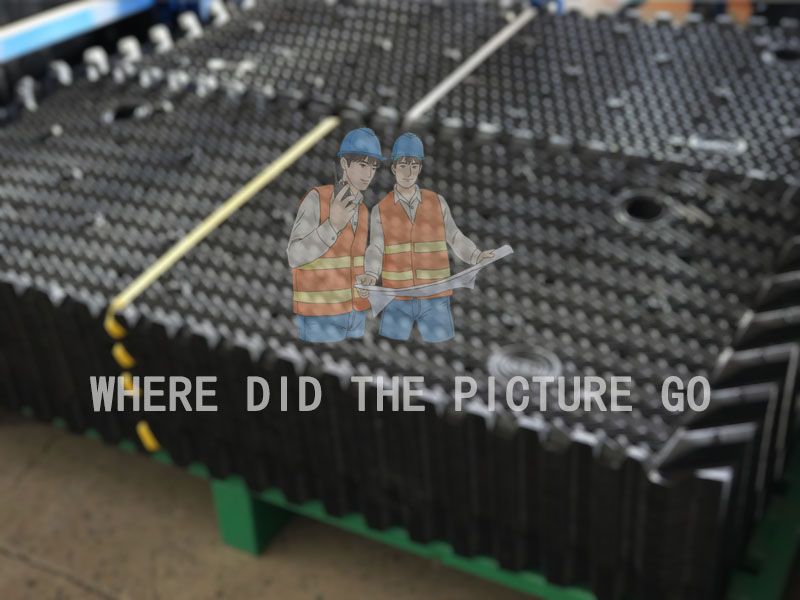
In real industrial operations, cooling towers rarely fail overnight. What usually happens is a slow drop in performance that goes unnoticed until production is affected. In many cases, the root cause is not mechanical—it’s the condition of the cooling tower fill.
For facilities across Southeast Asia and the Middle East, high temperatures, humidity, and water quality challenges make cooling tower packing performance even more critical. Optimizing your fill is often the fastest way to recover lost efficiency.
Cooling tower fill media increases the contact area between air and circulating water. By slowing water flow and spreading it across structured surfaces, it enhances evaporation and heat transfer.
Simply put, cooling fill is where the actual cooling happens inside the system.
Dust, algae, and suspended solids accumulate on cooling tower fills material, reducing effective surface area.
Blocked passages increase resistance, making fans work harder while reducing cooling capacity.
Long-term exposure to UV, chemicals, and heat causes structural weakening of cooling tower packing filll.
Damaged tower fill leads to channeling, where water bypasses heat exchange surfaces.
Switching to a more suitable structure can significantly improve performance.
Material choice plays a key role in durability and performance.
For example, PP Cooling Tower Fill Media is often used in demanding industrial environments.
Even the best cooling tower fill cannot perform well without proper water flow. Check spray systems and distribution headers regularly.
Ensure that the cooling tower fill design matches fan capacity and system airflow requirements.
Sometimes cleaning and adjustments are not sufficient. In these cases, cooling tower fill replacement becomes necessary.
Working with an experienced cooling tower fill replacement supplier ensures correct sizing and material selection for your system.
Many projects now rely on china cooling tower filler products due to improved manufacturing quality and cost efficiency.
Performance dropped due to biological fouling. Cleaning provided short-term relief, but replacing cooling fill solved the issue long-term.
Heavy dust caused repeated clogging. Switching to splash-type cooling tower packing improved reliability significantly.
Undersized cooling tower fill media limited capacity. Upgrading design improved throughput without changing equipment.
Optimizing cooling tower fill is one of the most effective ways to improve system performance without major capital investment. Whether through cleaning, upgrading, or replacement, the right approach depends on your operating conditions.
For long-term reliability, always match the fill type and material to your real-world environment.
Only in early stages. Severe fouling usually requires replacement.
Reduce blockage and ensure proper fill structure design.
Yes, PP performs better under heat and chemical exposure.
Damaged or poorly installed fill often leads to uneven water distribution.
Yes, optimized fill can significantly improve system efficiency.
This article reflects over a decade of hands-on experience in cooling tower system optimization across industrial sectors, focusing on practical solutions rather than theoretical approaches.
Leave a comment
All fields marked with an asterisk (*) are required