About Us
We are professional cooling tower fills manufacturer, which can supply wide ranges of cooling tower fills with PVC, PP or CPVC materials.

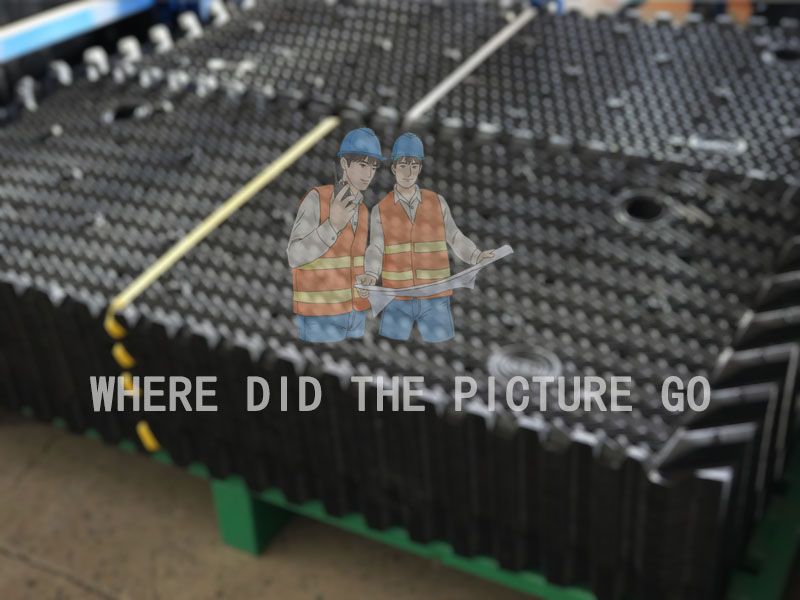
In many industrial projects, cooling systems don’t fail suddenly—they degrade slowly. And in most cases, the root cause is not the pump or the fan, but the cooling tower fill. When the fill starts losing efficiency, everything else follows.
From years of field work, I’ve seen that choosing the right cooling tower fill media is less about catalog specifications and more about understanding real operating conditions.
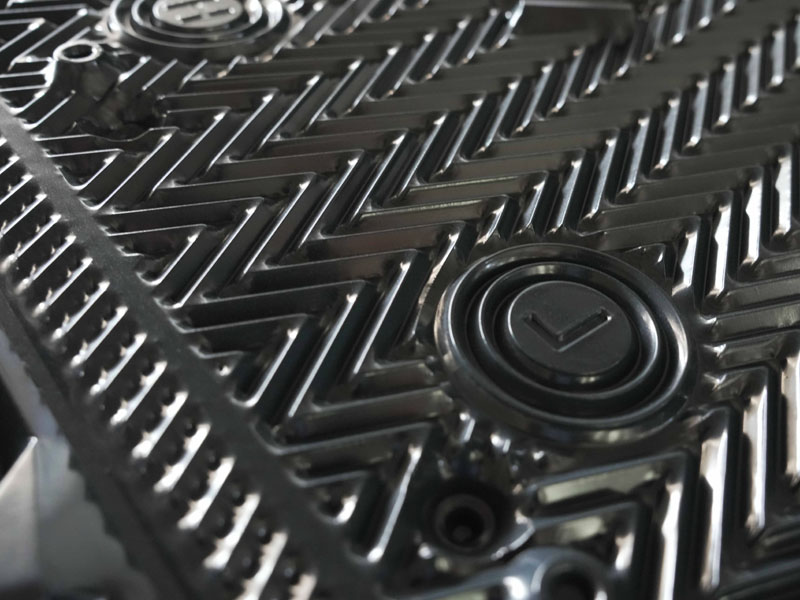
The role of cooling tower packing is simple in theory—maximize contact between water and air. But in practice, this depends on structure, material, and how the system is actually used.
A well-selected tower fill can improve performance noticeably, while a poor choice can quietly reduce system capacity over time.
This is always the first question. Clean water allows for dense structures, while contaminated systems require more open cooling fill designs.
High-temperature environments demand materials that can resist deformation, especially when selecting cooling tower fills material.
Restricted airflow reduces overall efficiency, even if the surface area is high.
If cleaning is difficult, choose a structure that resists fouling from the start.
These designs maximize surface area and are commonly used in controlled environments.
More suitable for systems where clogging is a concern, especially in industries with suspended solids.
Modern cooling tower fill design often combines efficiency with durability to handle mixed conditions.
PVC Cooling Tower Packing remains a standard option for moderate environments due to cost efficiency.
PP Cooling Tower Fill Media is preferred in systems exposed to higher temperatures or aggressive chemicals.
In many export projects, especially those sourcing from china cooling tower infill suppliers, material selection directly affects long-term stability.
Often caused by scaling inside cooling tower packing filll, reducing effective surface area.
Dust and biological growth restrict airflow through the cooling tower fill media.
Long-term exposure to heat leads to structural weakness.
If cleaning no longer restores performance, it’s time to evaluate a cooling tower fill replacement supplier. Waiting too long usually increases operational cost.
Many industrial buyers now work directly with a reliable china cooling tower filler manufacturer to ensure consistent supply and customization.
High humidity reduced evaporation efficiency. Adjusting cooling fill structure improved system stability.
Dust accumulation caused airflow restriction. Switching to a more robust cooling tower packing reduced maintenance frequency.
Temperature variation caused deformation in low-grade materials. Upgrading cooling tower fills material solved the issue.
Reliable performance starts with the right cooling tower fill. It’s not just about efficiency on paper, but stability over time.
In industrial environments, the best solution is always the one that balances performance, durability, and maintenance.
Water quality and airflow conditions are the main factors.
Not in dirty systems where clogging is a concern.
Consider temperature, chemicals, and long-term durability.
When cleaning no longer restores efficiency.
Yes, manufacturing quality directly impacts durability.
This content is based on practical experience in cooling tower system optimization across different industrial environments, focusing on real-world performance rather than theoretical assumptions.
Leave a comment
All fields marked with an asterisk (*) are required