About Us
We are professional cooling tower fills manufacturer, which can supply wide ranges of cooling tower fills with PVC, PP or CPVC materials.

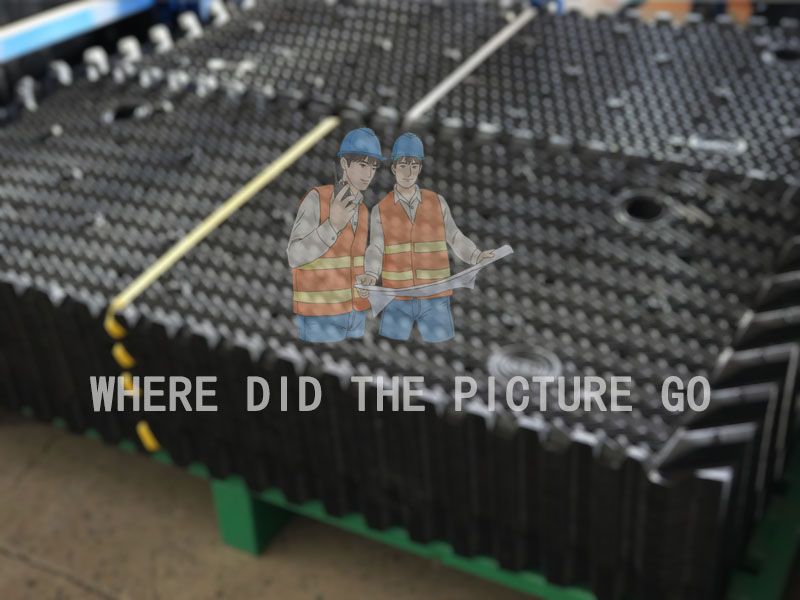
In industrial cooling systems, performance does not drop overnight. It declines step by step, often without immediate warning. In most cases, the core reason lies in the gradual aging and fouling of the cooling tower fill.
Managing the full lifecycle of cooling tower fill media—from selection to maintenance to replacement—is critical for maintaining stable system efficiency.
The lifecycle of cooling tower packing can be divided into three stages: initial operation, performance decline, and replacement.
Each stage requires different management strategies to ensure that the tower fill continues to perform effectively.
At this stage, the cooling fill is clean and structurally intact, providing maximum surface area for heat transfer.
Air moves freely through the cooling tower packing filll, ensuring efficient evaporation.
Water spreads evenly across the cooling tower fills material, maximizing contact efficiency.
Particles and biological growth begin to accumulate on cooling tower fill media.
Mineral deposits reduce effective heat exchange area.
Blockages increase resistance within cooling tower packing.
Prolonged exposure to heat weakens the material structure.
The system can no longer meet design performance even after cleaning.
Operational costs increase due to repeated cleaning and inspection.
PVC Cooling Tower Packing offers cost-effective performance for moderate conditions.
PP Cooling Tower Fill Media provides better resistance in high-temperature and chemical environments.
Many industrial users choose to source from a reliable china cooling tower filler supplier to ensure consistent material quality.
Regular checks help identify early signs of fouling in cooling tower fill media.
Maintaining proper chemical balance reduces scaling and biological growth.
Cleaning frequency should match actual operating conditions.
Working with a dependable cooling tower fill replacement supplier ensures smooth transition when replacement is needed.
For large-scale projects, sourcing from a trusted china cooling tower infill manufacturer provides flexibility in design and cost control.
Consistent supply quality is essential for maintaining system reliability over time.
High humidity accelerated fouling. Adjusting maintenance cycles extended the service life of cooling fill.
Dust accumulation reduced airflow efficiency. Switching to a more open cooling tower packing design improved longevity.
Temperature variation caused material fatigue. Upgrading cooling tower fills material improved durability.
Effective lifecycle management of the cooling tower fill ensures stable performance, reduces operational costs, and extends system lifespan.
In real industrial operations, proactive management always delivers better results than reactive repairs.
Typically 3 to 5 years depending on operating conditions.
Poor water quality, high temperature, and lack of maintenance.
Yes, through proper maintenance and material selection.
Before efficiency drops below acceptable levels.
Yes, material quality directly affects durability.
This article is based on practical experience in managing cooling system components, focusing on maximizing performance and extending service life in real industrial environments.
Leave a comment
All fields marked with an asterisk (*) are required