About Us
We are professional cooling tower fills manufacturer, which can supply wide ranges of cooling tower fills with PVC, PP or CPVC materials.

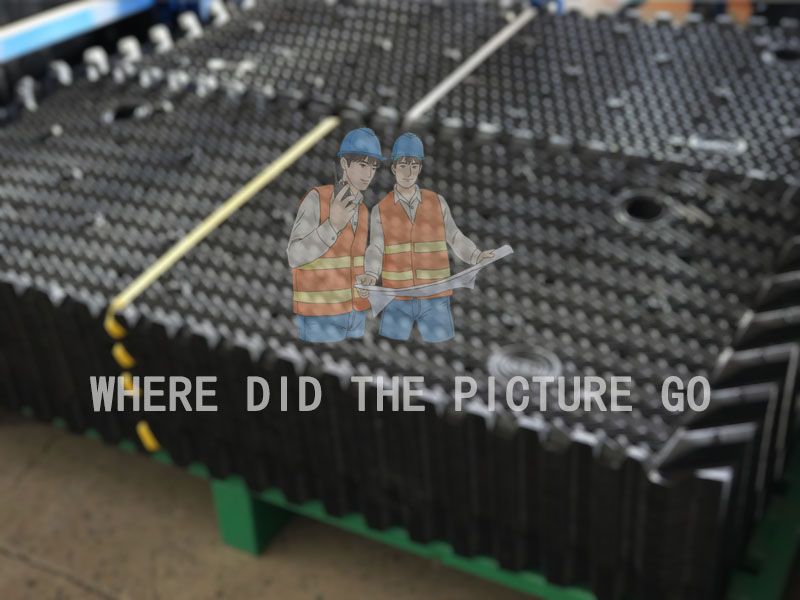
In modern industrial cooling systems, maintaining efficiency under varying loads and environmental conditions is a constant challenge. While pumps and fans often receive attention, the cooling tower fill plays a far more critical role in determining real thermal performance.
Optimizing cooling tower fill media is not only about selecting a product, but about aligning structure, material, and operating conditions for long-term efficiency.
The design of cooling tower packing directly influences airflow distribution, water film formation, and heat exchange rate.
Thin water films maximize contact area, making this type of cooling fill highly efficient in clean water conditions.
By breaking water into droplets, splash designs offer better resistance to clogging in contaminated systems.
Choosing the wrong structure can reduce system performance even if other components are functioning properly.
PVC Cooling Tower Packing remains the most common choice due to its balance of cost and performance.
PP Cooling Tower Fill Media offers superior thermal resistance and is widely used in demanding environments.
In aggressive water conditions, selecting the right cooling tower fills material is essential to prevent premature failure.
Uneven air distribution reduces the effectiveness of tower fill, even if the material is high quality.
Clogged or poorly designed spray systems lead to uneven wetting of cooling tower packing filll.
Biological growth can quickly block channels within cooling tower fill media.
Increasing fill height can improve cooling capacity, but only if airflow is sufficient.
Modern designs improve turbulence and water distribution across cooling fill.
Optimized chemical dosing reduces scaling and extends the life of cooling tower packing.
Partnering with a trusted china cooling tower filler manufacturer ensures stable product quality across large projects.
Heavy lint contamination reduced airflow. Switching to clog-resistant cooling fill improved stability.
High temperature caused deformation in standard materials. Upgrading cooling tower fills material solved the issue.
Strict temperature control required precise performance. Optimized cooling tower packing design delivered consistent cooling.
Effective cooling is not achieved through a single upgrade, but through systematic optimization of all components—especially the cooling tower fill.
By combining proper design, material selection, and maintenance strategies, industrial systems can achieve stable, high-efficiency performance even under challenging conditions.
Surface area, airflow distribution, and water contact all affect efficiency.
Yes, efficient heat exchange reduces fan and pump load.
Regular inspections should be conducted based on operating conditions.
It leads to reduced efficiency and increased operational costs.
No, excessive height can restrict airflow if not properly designed.
This content is developed based on industrial project experience and focuses on practical optimization strategies for cooling tower systems.
Leave a comment
All fields marked with an asterisk (*) are required