About Us
We are professional cooling tower fills manufacturer, which can supply wide ranges of cooling tower fills with PVC, PP or CPVC materials.

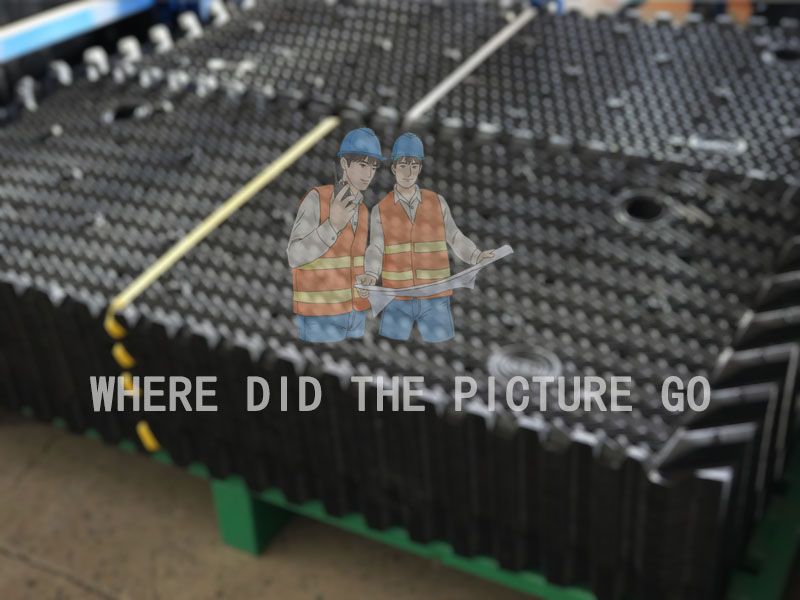
When cooling performance starts dropping, many engineers first check pumps, fans, or water flow. In reality, the hidden problem is often inside the tower—the cooling tower fill. Once the structure of the fill is blocked, deformed, or aged, system efficiency drops fast.
From procurement experience across Southeast Asia and the Middle East, buyers searching for a reliable Cooling tower fill supplier are not just looking for price—they need durability, stable performance, and easy maintenance. Choosing the wrong fill can lead to frequent shutdowns and unexpected costs.
Cooling tower fill is designed to improve heat transfer by increasing the contact area between water and air. It works by slowing down water flow and distributing it into thin layers or droplets.
In engineering terms, cooling tower fill media directly affects:
A well-designed tower fill ensures stable thermal performance even under fluctuating operating conditions.
Film fill cooling tower systems create a thin water film across structured sheets.
Splash fill cooling tower designs disperse water through repeated impact.
Corrugated fill uses angled channels to optimize both airflow and water spread.
PVC Cooling Tower Packing is commonly used due to its affordability and efficiency.
PP Cooling Tower Fill Media is engineered for demanding environments.
The performance of a cooling system is directly tied to the condition and design of its cooling fill. Even a minor structural change in fill geometry can significantly impact airflow and heat transfer.
In one industrial case, upgrading aging China Cooling Tower Filler improved cooling efficiency by nearly 20**, without modifying fans or pumps.
Key performance drivers include:
Buyers should approach selection with a clear understanding of system conditions rather than relying on generic specifications.
If your system frequently experiences cooling tower fill clogged issues, switching to splash fill cooling tower designs may be more effective than repeatedly cleaning film fill.
For high-temperature systems, selecting Cooling Tower Packing made from PP can prevent premature failure.
Clogging is typically caused by suspended solids, algae, or biofilm buildup. It restricts airflow and reduces cooling tower fill efficiency.
Scaling occurs when dissolved minerals precipitate and form hard deposits on the fill surface.
Exposure to UV, heat, and chemicals gradually weakens the cooling tower fill material, leading to cracking and deformation.
Routine cooling tower fill maintenance is essential for maintaining system performance.
Preventive maintenance reduces the need for frequent cooling tower fill replacement and ensures consistent operation.
A food processing facility experienced continuous performance loss due to cooling tower fill clogged problems. After switching to a redesigned cooling tower fill media with wider spacing, airflow improved significantly and maintenance intervals doubled.
In a refinery project, PVC fill failed due to excessive heat. Upgrading to Cooling Tower Packing Filll made of PP solved deformation issues and stabilized performance.
A wastewater treatment plant required cooling tower fill for dirty water. By implementing splash fill cooling tower configuration, clogging was minimized and operational reliability improved.
Cooling tower fill plays a critical role in industrial cooling efficiency. Selecting the right type and material, combined with proper maintenance, can significantly reduce operating costs and improve system stability.
Whether you are sourcing China Cooling Tower Infill or planning system upgrades, focus on real performance data and field conditions rather than short-term pricing advantages.
PP cooling tower fill offers the best durability in high-temperature and chemically aggressive environments.
Signs include reduced cooling performance, visible damage, and persistent clogging.
It is not recommended, as it clogs easily compared to splash fill.
Water quality, airflow distribution, and fill condition are the main factors.
Cleaning helps, but aging material still requires replacement over time.
This content is written by an industrial cooling engineer with over a decade of experience in cooling tower systems. The insights are based on real-world installations across Southeast Asia, the Middle East, and East Asia, referencing standards such as ASHRAE and Cooling Technology Institute (CTI).
Leave a comment
All fields marked with an asterisk (*) are required