About Us
We are professional cooling tower fills manufacturer, which can supply wide ranges of cooling tower fills with PVC, PP or CPVC materials.

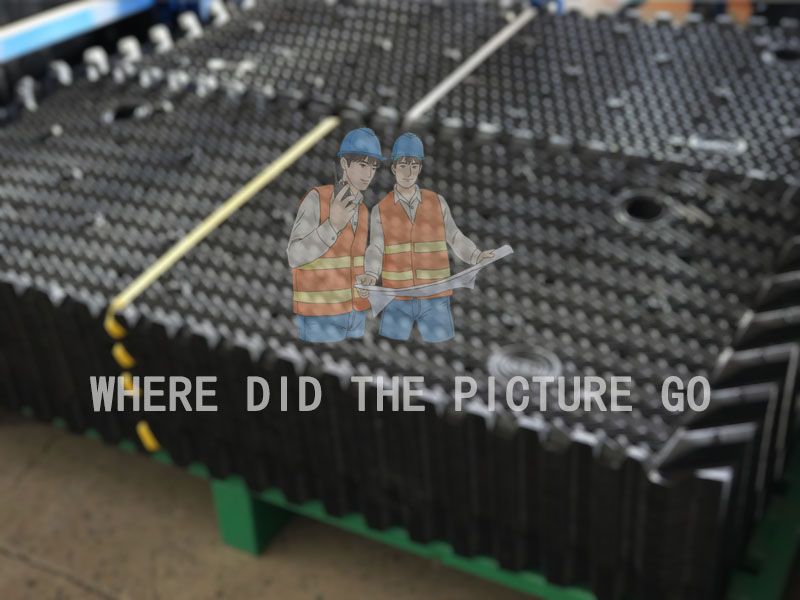
In many industrial cooling systems, performance loss is not caused by the tower structure, but by the degradation of the cooling tower fill. Engineers and procurement teams often notice rising outlet temperatures, higher energy consumption, or unstable operation, yet the root cause is frequently overlooked.
From my field experience across Southeast Asia and the Middle East, more than 60** of cooling inefficiency cases are directly related to improper selection or aging of Cooling tower fill. Whether you are planning a new installation or considering cooling tower fill replacement, understanding how fill works is essential.
Cooling tower fill is the core heat exchange component inside a cooling tower. Its primary function is to maximize the contact surface between water and air, enabling efficient heat dissipation.
From an engineering perspective, cooling tower fill media increases:
Without properly designed tower fill, even the best fans and pumps cannot achieve desired cooling results.
Film fill cooling tower systems use thin sheets to spread water into a film layer. This type is highly efficient under clean water conditions.
Splash fill cooling tower designs break water into droplets using bars or grids.
Corrugated fill is the most widely used modern solution. It combines structured geometry with efficient airflow channels.
PVC Cooling Tower Packing is the most common material used in cooling tower fill design.
PP Cooling Tower Fill Media is designed for high-temperature or chemically aggressive environments.
Cooling tower fill efficiency directly determines system performance. In optimized systems, upgrading the cooling fill can improve thermal efficiency by 10**–25**.
Key factors affecting performance include:
In one refinery project, replacing aged Cooling Tower Packing reduced outlet temperature by 4°C and lowered fan energy consumption by 18**.
Procurement decisions should not rely on price alone. From an engineering standpoint, selection should consider:
For example:
Many buyers searching for China Cooling Tower Filler focus only on cost, but long-term performance depends on correct specification.
Cooling tower fill clogged is one of the most frequent issues in Southeast Asia due to biological growth and suspended solids.
Hard water leads to mineral deposits, reducing effective surface area.
UV exposure and chemical attack cause brittleness, especially in low-quality PVC fill.
Proper cooling tower fill maintenance can extend service life significantly.
Ignoring maintenance often results in full cooling tower fill replacement within 2–3 years instead of 5–8 years.
A palm oil plant experienced severe cooling tower fill clogged issues. We replaced film fill with splash fill cooling tower design, improving stability and reducing maintenance frequency.
In a Middle East petrochemical plant, standard PVC failed within 18 months. Switching to Cooling Tower Packing Filll made from PP increased lifespan to over 5 years.
A steel plant using recycled water required cooling tower fill for dirty water. By redesigning the cooling tower fill media structure, blockage issues were reduced by 70**.
Cooling tower fill is not just a component—it is the heart of the cooling process. Selecting the right cooling fill, maintaining it properly, and upgrading when necessary can significantly improve system efficiency and reduce operational costs.
Whether you are sourcing China Cooling Tower Infill or planning a system upgrade, focus on performance, not just price.
Typically every 3–8 years depending on water quality and material.
Main causes include clogging, scaling, and material aging.
PVC is cost-effective for normal conditions, while PP is better for high temperature and chemical environments.
Yes, but severe clogging usually requires replacement.
Splash fill cooling tower designs are most suitable for dirty water systems.
This article is written by a cooling tower engineer with over 10 years of experience in industrial water cooling systems across Southeast Asia, the Middle East, and East Asia. The insights are based on real project data and field troubleshooting cases. Industry references include ASHRAE and Cooling Technology Institute (CTI).
Leave a comment
All fields marked with an asterisk (*) are required