About Us
We are professional cooling tower fills manufacturer, which can supply wide ranges of cooling tower fills with PVC, PP or CPVC materials.

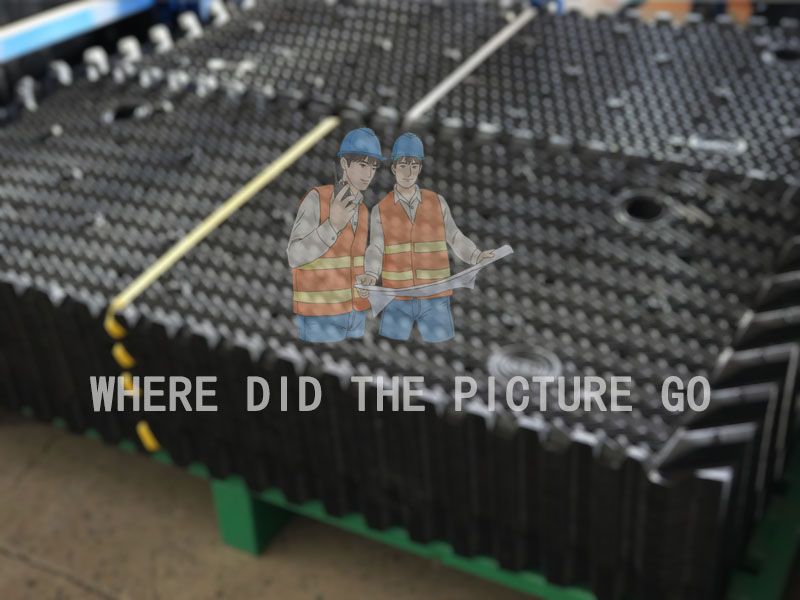
In many industrial energy-saving projects, companies spend a lot of time optimizing motors, pumps, and control systems. But in real field upgrades, one of the highest-impact improvements often comes from a simpler place—the cooling tower fill.
When the cooling tower fill media is upgraded correctly, plants often see noticeable reductions in power consumption without changing the main equipment.
The cooling tower packing is directly responsible for heat exchange efficiency. If it is outdated or mismatched, the entire system must work harder to achieve the same cooling output.
This is why many energy optimization projects now start with evaluating the tower fill condition first.
Older cooling tower fill media increases airflow resistance, forcing fans to consume more power.
Reduced heat transfer efficiency leads to unstable process temperatures.
Fouled cooling fill requires more frequent cleaning cycles.
New production load often exceeds original cooling tower packing filll design limits.
Before changing anything, measure actual system efficiency compared to original design values.
Water quality determines whether high-density or open structure cooling tower fills material should be used.
Fan system capability must match the resistance of the new fill design.
Define whether the goal is energy reduction, capacity increase, or maintenance reduction.
PVC Cooling Tower Packing is commonly used for balanced cost-performance improvements.
PP Cooling Tower Fill Media is preferred for higher temperature and more aggressive environments.
Uneven distribution reduces the effectiveness of any cooling tower packing upgrade.
Modern structures improve turbulence and heat exchange efficiency inside cooling tower fill media.
Too much resistance increases energy consumption, reducing overall benefits.
Replacing aged cooling fill reduced fan power consumption while improving temperature stability under high humidity conditions.
Dust-heavy environment required switching to more open structure cooling tower packing for long-term stability.
Precision cooling requirements were met by upgrading cooling tower fills material to a more efficient design.
In well-planned upgrades, industrial systems often achieve improved thermal efficiency, reduced fan load, and more stable operating temperatures. In many cases, upgrading cooling tower fill media delivers better ROI than mechanical equipment replacement.
Effective energy reduction strategies often begin with the cooling tower fill. When properly evaluated and upgraded, it becomes one of the most cost-efficient ways to improve industrial cooling performance.
In real engineering practice, the smartest upgrades are not the most complex ones—they are the most correctly targeted.
Yes, improved airflow and heat exchange reduce fan power demand.
Rising energy costs and unstable cooling performance are key indicators.
No, in most cases only fill upgrade is required.
Yes, it directly affects efficiency and durability.
Partial upgrades may be possible depending on system design.
This article is based on practical engineering experience in industrial energy optimization projects, focusing on real-world cooling system upgrade strategies.
Leave a comment
All fields marked with an asterisk (*) are required