About Us
We are professional cooling tower fills manufacturer, which can supply wide ranges of cooling tower fills with PVC, PP or CPVC materials.

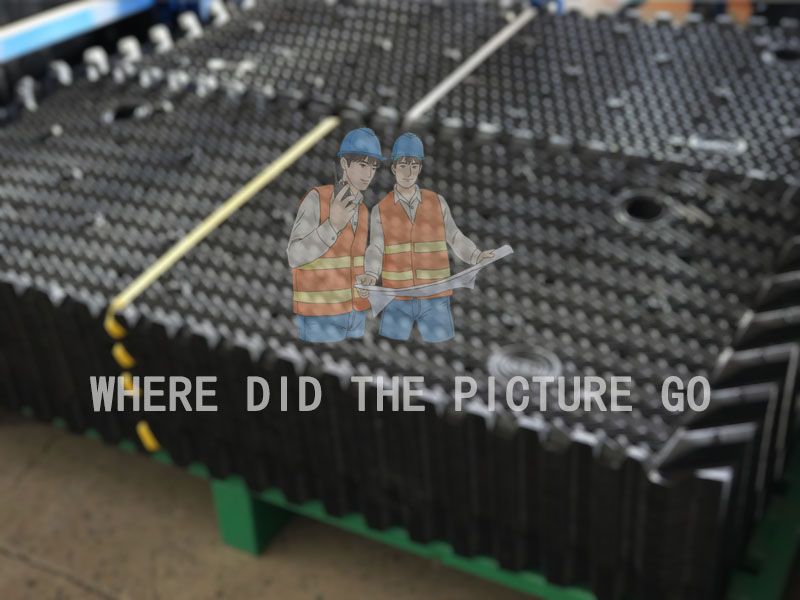
Heating, ventilation, and air conditioning (HVAC) systems are widely used in commercial buildings, hotels, hospitals, shopping centers, and industrial facilities. In many large HVAC systems, cooling towers play an important role in removing heat from the circulating water.
Inside the cooling tower, the fill media is the main area where water and air exchange heat. A properly selected cooling tower fill helps improve water distribution, increase air and water contact, and maintain stable cooling performance.
For HVAC applications, the cooling tower usually operates with relatively clean water compared with heavy industrial systems. Therefore, many HVAC projects focus on balancing cooling efficiency, operating reliability, and maintenance convenience.
In this article, we will discuss how cooling tower fill works in HVAC systems, what factors should be considered during selection, and why choosing the right cooling tower packing can influence the long-term operation of a building cooling system.
A typical HVAC cooling system uses chilled water or condenser water to transfer heat. In water-cooled HVAC systems, the cooling tower removes heat from the condenser water before it returns to the chiller.
The basic process is:
The performance of this process depends on several factors, including airflow, water distribution, ambient conditions, and the design of the fill media.
The main purpose of cooling tower fill media is to increase the contact surface between water and air.
Without fill material, water would quickly fall through the tower with limited air contact. This would greatly reduce the heat transfer effect.
A good HVAC cooling tower fill design can provide:
For commercial HVAC systems, stable cooling performance is usually more important than achieving the highest possible cooling capacity at any cost.
Film fill cooling tower media is widely used in modern HVAC cooling towers because of its efficient heat transfer characteristics.
The special surface design allows water to spread into a thin film across the fill sheets. This creates a larger contact area between water and air.
Film Fill is commonly used in:
For HVAC projects with good water treatment systems, Film Fill is often considered a practical choice because it provides good cooling performance in a compact structure.
Although splash fill is more common in some industrial applications, it can also be used in certain HVAC environments depending on the cooling tower design.
Splash fill works by breaking water into smaller droplets through repeated impact, increasing the interaction between water and air.
The final selection depends on tower design, water condition, and maintenance requirements.
Choosing the right tower fill requires understanding the actual operating environment.
The fill arrangement should match the cooling tower structure.
Different cooling towers may require different fill dimensions, block heights, and installation methods.
Before replacement or upgrading, engineers should confirm:
Although HVAC systems usually have cleaner water than industrial plants, water quality still affects fill performance.
Poor water treatment may cause:
Regular water treatment helps extend the service life of cooling fill.
Material is another important consideration when selecting cooling tower packing.
PVC is one of the most commonly used materials for HVAC cooling tower applications.
It provides good forming performance and is suitable for many standard commercial cooling systems.
PP material is often selected for applications that require higher temperature resistance or stronger chemical stability.
The best material depends on the operating conditions rather than a single standard choice.
Energy efficiency is becoming increasingly important in modern building management.
A properly working cooling tower helps the HVAC system maintain stable operation and avoid unnecessary energy consumption.
The condition of the fill can influence:
When old fill becomes damaged or blocked, the cooling tower may need to work harder to achieve the required temperature.
Many commercial buildings continue using cooling towers for many years. During long-term operation, replacing old fill is a common maintenance solution.
Typical replacement situations include:
During replacement projects, engineers should not only replace the fill but also inspect related components.
Airflow has a direct impact on cooling tower performance.
The Air intake grille helps control air entering the tower and reduces unnecessary water splash.
If the air inlet is blocked or damaged, even high quality fill may not achieve the expected cooling effect.
The water collection section is responsible for collecting cooled water and reducing water loss.
The Water Collector is an important component that helps improve water recovery efficiency.
If the cooling tower cannot provide enough cooling, the fill condition should be checked together with fan operation and water flow.
Dust, minerals, and biological growth may block the fill passages over time.
Blocked fill reduces airflow and decreases heat exchange efficiency.
Long-term exposure to sunlight, chemicals, and temperature changes may affect fill strength.
Aged fill may become fragile and require replacement.
A properly selected cooling fill can provide several practical benefits:
The actual performance depends on the complete HVAC system design and operating environment.
Every HVAC project has different requirements. Factors such as building size, climate conditions, cooling load, and maintenance practices all influence the best fill selection.
For example, cooling towers operating in tropical regions such as Southeast Asia may face higher humidity and longer operating periods. Projects in Middle Eastern climates may require materials that can handle higher ambient temperatures.
A suitable tower fill solution should always match the actual application.
Cooling tower fill is a small but important component inside HVAC cooling systems. Its performance directly affects how effectively water and air exchange heat.
For commercial buildings and HVAC contractors, selecting the correct cooling tower packing based on tower design, water quality, and operating conditions can help maintain reliable cooling performance.
Whether for a new HVAC project or an existing cooling tower upgrade, a suitable fill media solution can support stable operation and reduce future maintenance challenges.
Leave a comment
All fields marked with an asterisk (*) are required