About Us
We are professional cooling tower fills manufacturer, which can supply wide ranges of cooling tower fills with PVC, PP or CPVC materials.

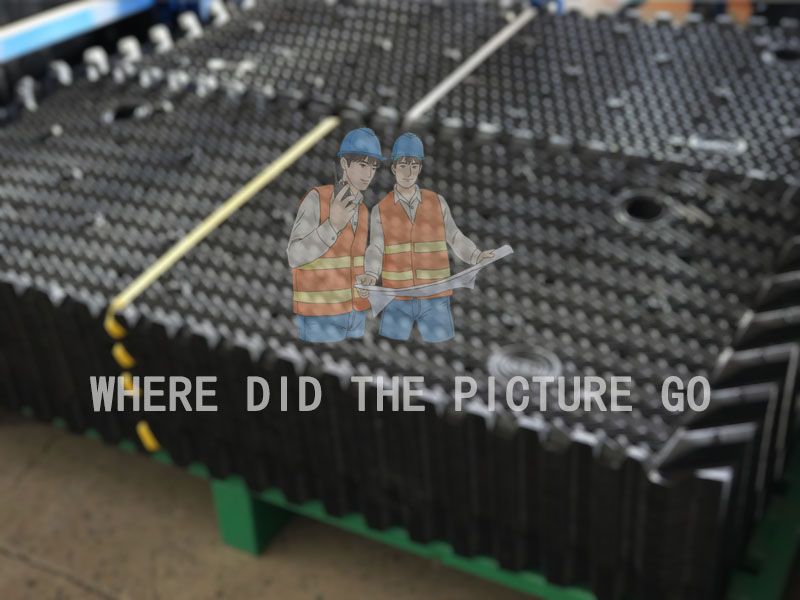
Many industrial companies focus on maintaining cooling tower fans, pumps, and motors, but the internal fill system is often overlooked. In actual operation, the condition of the fill directly affects whether the cooling tower can continue delivering stable performance.
After years of working with industrial cooling systems, I have found that many temperature problems are not caused by insufficient equipment capacity. The main reason is usually reduced heat exchange performance because the fill has become blocked, aged, or unsuitable for the current operating environment.
For factories searching for reliable Cooling tower fill, the most important consideration is selecting a solution that matches the real working conditions, including water quality, climate, and operation time.
In Southeast Asia, high humidity and biological growth are common challenges. In the Middle East, extreme heat and continuous operation create different requirements. A good fill solution must consider these differences.
The fill section is the heart of the cooling tower heat exchange process. It provides a large contact area where hot water meets moving air.
When water flows through the fill, heat is transferred from the water to the air through evaporation. The better this contact process works, the better the cooling performance.
A properly selected cooling tower fill media helps improve:
However, even high-quality fill material cannot maintain good performance without proper maintenance and suitable operating conditions.
Different cooling tower applications require different fill structures. Engineers usually select fill based on water condition, airflow requirement, and expected service life.
The main design factors include:
A common mistake is selecting the highest efficiency fill without considering maintenance conditions. In some industrial environments, a slightly more open structure may provide better long-term results.
A film fill cooling tower uses thin layers of water flowing over structured sheets. This creates a large heat exchange surface inside a compact area.
Film fill is widely used because it provides excellent cooling performance when water quality is controlled.
Typical applications include:
The main advantage is high thermal efficiency. The main consideration is preventing clogging caused by suspended solids or biological materials.
Splash fill operates differently from film structures. Water is repeatedly broken into droplets as it passes through the fill layers.
This design is often selected when reliability is more important than maximum compact efficiency.
Common applications include:
For cooling tower fill for dirty water applications, splash fill can provide better resistance against blockage.
Corrugated fill has become a popular option for many industrial replacement projects because it balances efficiency and durability.
The corrugated surface improves water spreading while maintaining airflow channels.
Many engineers choose this type when upgrading older cooling towers because it can improve performance without major changes to the existing structure.
Material selection determines how the fill performs under temperature changes, chemical exposure, and long-term operation.
PVC Cooling Tower Packing is widely used in standard industrial cooling applications.
PVC offers:
For normal operating temperatures and controlled water conditions, PVC remains a practical choice.
For more demanding environments, PP material is often recommended.
PP Cooling Tower Fill Media provides improved resistance against heat and chemical influence.
It is commonly selected for:
Cooling tower fill efficiency is affected by many operating details. A good design must work together with proper system management.
Important improvement methods include:
In one factory upgrade project in Asia, engineers discovered that the cooling tower was operating below capacity because old fill restricted airflow. After replacing the fill, cooling performance improved by around 15** without replacing the existing fan system.
Choosing a supplier is an important part of cooling system reliability. Industrial buyers should evaluate both manufacturing ability and engineering experience.
A professional cooling tower fill supplier should understand:
Many companies searching for a cooling tower filler factory need more than a product catalog. They need technical advice to avoid selecting unsuitable materials.
A manufacturer experienced in international projects can provide better solutions for different industries.
Cooling tower fill clogged problems are among the most common issues in industrial operation.
The main causes include:
Blocked fill reduces airflow and lowers cooling performance.
Mineral deposits from hard water can gradually cover the fill surface.
This reduces effective heat transfer area and increases operating pressure on the system.
Long-term exposure to sunlight, temperature changes, and chemicals can make plastic sheets weaker.
When deformation becomes serious, replacement is usually more effective than repeated cleaning.
A manufacturing plant in Indonesia experienced unstable cooling during the humid season.
The inspection showed that the original fill had heavy biological contamination after years of operation.
Engineers replaced the old structure and improved water treatment control. The cooling system became more stable during high production periods.
A Middle East industrial facility operated continuously under summer temperatures above normal design conditions.
The existing fill material showed signs of aging and deformation.
After switching to a PP-based solution, the system achieved better structural stability during long operating cycles.
A wastewater treatment project in Southeast Asia required cooling performance under difficult water conditions.
The previous fill frequently required cleaning because of blockage.
After changing to a more suitable open structure, maintenance frequency was reduced and operation became more reliable.
Many companies wait until cooling performance drops significantly before considering replacement. This often creates production risks.
A better approach is regular inspection and planned replacement.
Engineers usually evaluate:
Products such as Cooling Tower Packing Fill and China Cooling Tower Infill are commonly used in industrial replacement projects.
Proper cooling tower fill management plays an important role in maintaining industrial cooling performance.
The right combination of design, material, and maintenance can reduce operating problems and extend the working life of the cooling tower.
For industrial users, selecting the correct fill solution is not only a purchasing decision. It is a long-term reliability decision.
The replacement cycle depends on water quality, operating temperature, and maintenance conditions.
Common causes include clogging, scaling, aging, and incorrect fill selection.
PP usually provides better heat and chemical resistance, while PVC is suitable for many standard applications.
Splash fill is often preferred because it handles impurities more effectively.
An experienced manufacturer can provide suitable material selection and technical recommendations based on actual applications.
This article is written from the perspective of an industrial cooling engineer with more than 10 years of experience in cooling tower design, troubleshooting, and fill replacement projects. The practical information comes from real applications across Southeast Asia, the Middle East, Japan, and Korea, with technical knowledge referenced from ASHRAE and Cooling Technology Institute (CTI).
Leave a comment
All fields marked with an asterisk (*) are required