About Us
We are professional cooling tower fills manufacturer, which can supply wide ranges of cooling tower fills with PVC, PP or CPVC materials.

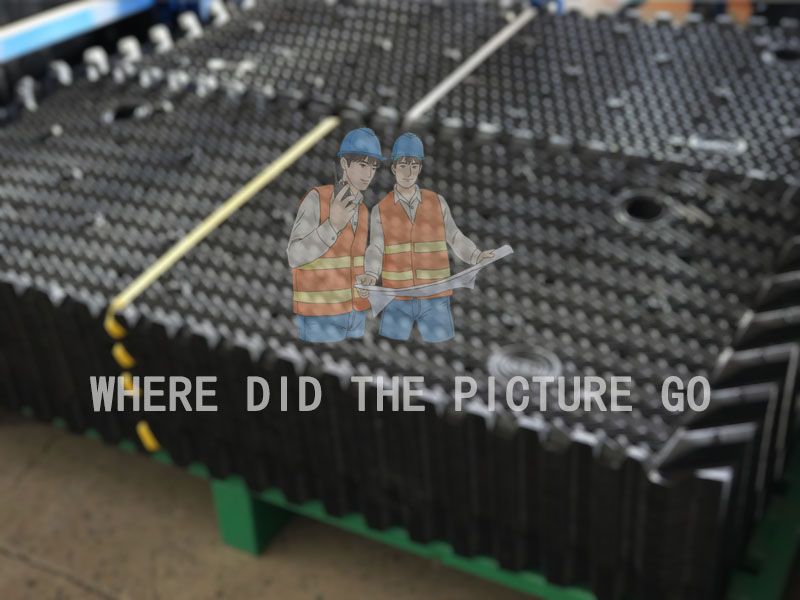
For many industrial users, the first sign that a cooling tower needs attention is not a broken part. It is a slow drop in performance. Water temperature rises a little, the fan seems louder than usual, cleaning takes longer, and the tower does not feel as stable as it once did. In situations like this, the internal media becomes one of the first things to inspect.
A cooling tower filler is not just a piece of plastic inside the tower. It is the working area where warm water and moving air meet, exchange heat, and return cooler water to the system. If the fill is designed properly, the tower runs more efficiently, the water spreads more evenly, and the whole system becomes easier to maintain. If the fill is the wrong shape, wrong material, or wrong size, even a powerful tower can underperform.
The function of cooling tower fill is simple to explain, but the real effect is important. Warm water enters the tower and passes over the fill surface. Air flows through the tower and contacts the water. The fill increases the contact area, which helps heat leave the water more effectively. The more stable the water distribution and airflow pattern, the better the cooling performance.
When a cooling tower filler factory designs replacement media, it is not only about matching size. It is also about balancing heat transfer, airflow resistance, fouling tolerance, and service life. Those four points usually decide whether the fill will work well in real conditions or only look good on paper.
Counter flow towers move air upward while water moves downward. This design is popular in industrial cooling because it can achieve strong performance in a relatively compact tower body. The fill used in this system must support vertical airflow and keep water distribution stable from top to bottom.
When the tower is in good condition, the fill helps create a clean and efficient heat exchange path. When the fill is aging or mismatched, the tower may begin to show hot spots, uneven spray patterns, or higher pressure loss. That is why replacement work in counter flow systems usually requires careful matching.
One related product page that fits this type is the counter flow cooling tower fill, which can be used as a reference when comparing structural choices.
Cross flow towers have a different working pattern. Air moves horizontally through the fill, while water drops vertically from the distribution basin above. This structure is often used in HVAC and medium industrial applications because it is practical and easy to service.
In this type of tower, the fill needs to help water spread evenly while still leaving enough open area for air to pass through. Corrugated structures are often used because they provide a useful balance between surface area and airflow movement. For replacement projects, this matters because a tower that is easy to inspect and clean is often easier to keep in stable condition over time.
A useful example is the cross flow cooling tower corrugated fill, which shows how a structured design can support this airflow style.
Some cooling towers need a fill design that creates a more active water pattern. Corrugated media can help with this because the wave shaped channels guide water across the surface and create better contact with the air stream. In many retrofit jobs, this type becomes a good option when the buyer wants better efficiency without changing the whole tower layout.
A common choice in such situations is an S shaped corrugated layout. It can support stronger turbulence, better water spread, and more efficient heat transfer. If the original fill is not performing well anymore, this style may be one of the better solutions for cooling tower fill replacement.
One example is the S type corrugated cooling tower fill, which is often discussed by buyers looking for a practical upgrade path.
A good cooling tower filler factory usually offers several material options because not every system runs under the same conditions. Material selection affects service life, temperature resistance, chemical tolerance, and how the fill behaves after months or years in water.
PVC is one of the most common materials for cooling tower fills. It offers a good balance of cost, workability, and corrosion resistance. In many standard industrial and HVAC applications, PVC is enough to provide stable performance at a reasonable cost.
PP is often selected when the tower needs a higher temperature tolerance or stronger chemical resistance. It can be a good option when the water condition is more demanding than usual.
CPVC is used in more aggressive operating environments where higher heat resistance is required. Some industrial users prefer this option because it can offer a longer practical service life under tougher conditions.
In some projects, the buyer may need a specific formula, thickness, or plastic grade to match the operating environment. A capable fill replacement factory can usually discuss these details before production begins, which helps reduce installation problems later.
People often compare cooling tower fills by material first, but structure is just as important. The internal shape determines how the water spreads, how much resistance the air meets, and how likely the media is to clog.
Film fill is designed to spread water into a thin layer over a large surface area. This can create very strong heat transfer efficiency, especially in clean water applications. It is often chosen when the goal is to maximize cooling performance in a limited space.
Splash fill breaks water into droplets or small streams. It is usually more tolerant of dirty water, scaling, and suspended particles. For some industrial cooling systems, this is a very practical choice because maintenance can be easier over time.
Corrugated fill is one of the most flexible designs because it can support both good water spreading and manageable airflow. It is widely used in replacement projects because many towers can adapt to this structure without major changes.
Many modern cooling tower fills are produced as modular blocks or sheets. This makes shipping easier, installation faster, and future replacement simpler. For shutdown work, this kind of structure can save a lot of labor.
The best tower fill is not always the one with the most aggressive structure. It is the one that performs well in the real tower with the real water and real operating schedule. Buyers should pay attention to the following points.
This is the main purpose of the fill. The better the contact between water and air, the stronger the cooling result. A well designed fill helps the tower do more with less effort.
A fill that blocks airflow too much can increase fan load and raise power consumption. Good design keeps the resistance at a level that supports both efficiency and stable operation.
Even water coverage is essential. If the fill gets dry zones or overloaded zones, the cooling result becomes uneven. This is especially important in replacement jobs, where the new media must fit the tower’s original layout.
In real industrial use, scale and biological growth are common issues. A fill that is easier to clean and less likely to trap debris will usually provide more consistent performance.
A lot of buyers begin with standard dimensions because they want a quick and simple purchase. That works well in many cases. But not every tower follows a standard size. Some units were built to special drawings, and some have already been modified over the years.
Standard cooling tower fills are useful for common tower models and fast replacement work. They are easy to order, easy to stock, and often easy to install.
Custom sizing becomes more important when the tower is older, the structure is unique, or the project needs a better fit. A professional cooling tower filler factory can adjust dimensions, thickness, block layout, and channel design to match the actual installation.
If the fill does not fit well, air bypass, water leakage, uneven support, and installation delays can all become problems. Even a strong product will underperform if it is not matched correctly to the tower.
When customers request cooling tower fill replacement, they often compare several things at once. They want to know how the new fill will behave, how long it will last, and how much trouble it will create during installation and maintenance.
The material must match the real temperature range. A low cost option may look attractive at first, but if it warps or ages early, the total cost becomes higher in the long run.
If the tower handles hard water, dirty water, or chemically treated water, the fill should be selected with that condition in mind. What works in one plant may not work in another.
Some towers are easy to open and inspect, while others are difficult to service. This affects how practical the replacement media will be in daily use.
Working with a specialized cooling tower filler factory is often helpful because the team can discuss real installation details, replacement dimensions, and material choices instead of just offering a catalog list.
Even a well made tower fill needs attention. If the system is neglected, performance can drop no matter how good the original product was.
Check for cracks, deformation, clogging, and uneven water spread. These are the early signs that the fill may need cleaning or replacement.
Water treatment helps reduce scale and biological growth. It is one of the simplest ways to protect cooling tower fills and keep the tower running steadily.
Cleaning intervals should be based on the actual operating environment. Some systems need frequent attention, while others can stay clean for longer periods.
If the fill has become brittle, badly fouled, or no longer supports proper cooling, replacement is usually the best option. A planned tower fill replacement is often better than repeated small repairs.
For industrial buyers, a specialized cooling tower filler factory can make the whole process easier. Instead of guessing, the buyer can discuss tower type, material choice, water condition, and size requirements with someone who understands the product from a manufacturing point of view.
This is especially useful for retrofit projects or unusual towers. The more accurate the information, the easier it becomes to recommend the right cooling tower fills for the job. In many cases, sending drawings, photos, or an old sample is enough to start the selection process.
A good supplier should be able to help with both standard products and custom production, because cooling towers are not all built the same way. That flexibility is one reason many buyers prefer working directly with a fill replacement factory.
People often focus on fans, motors, and pumps when they talk about energy saving. But the fill matters too. If the tower fill is not distributing water well or is causing too much resistance, the whole system may waste energy.
That is why a smarter replacement choice can improve not only cooling performance but also operating cost. In many plants, the tower is running every day for long hours, so even small gains can matter over time.
Cooling tower fills play a much bigger role than many buyers expect. They affect cooling performance, energy use, water distribution, maintenance work, and long term reliability. Whether a project needs a new installation or a cooling tower fill replacement, the best choice is the one that fits the tower type, water condition, and operating demand.
For buyers looking for practical solutions, working with a reliable cooling tower filler factory can reduce mistakes and make replacement work much smoother. The right tower fill does not just improve one part of the system. It helps the whole tower perform in a more stable and efficient way.
If you are not sure which cooling tower filler is suitable for your tower, send us your drawing, sample photo, or old fill structure. We can help you identify the media and recommend a replacement solution that fits your project.
Leave a comment
All fields marked with an asterisk (*) are required