About Us
We are professional cooling tower fills manufacturer, which can supply wide ranges of cooling tower fills with PVC, PP or CPVC materials.

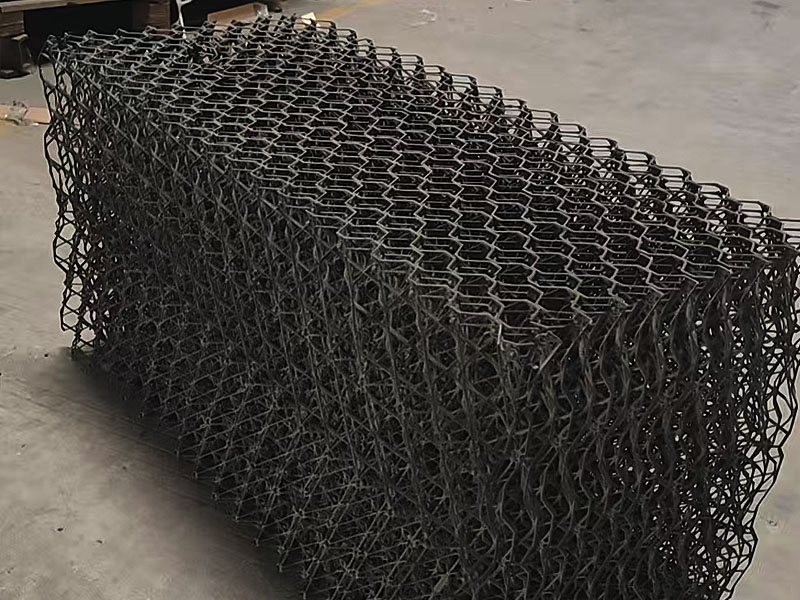
If you are searching for cooling tower fills, the first thing to know is that the right tower fill is not just a spare part. It is the part that shapes how your cooling tower performs every day. In many projects, people start looking for a cooling tower fill replacement only after they notice higher outlet water temperatures, weaker airflow, scaling, or a drop in overall system efficiency. At that point, the quality of the replacement becomes very important.
For buyers in Southeast Asia, the Middle East, Japan, and Korea, cooling tower filler selection usually comes down to a few practical questions: what type of tower is it, what water condition does it run with, how much temperature drop is required, how easy is maintenance, and whether the supplier is a real cooling tower filler factory that can support standard sizes as well as custom production. This article breaks those points down in a clear way, so you can compare options with less guesswork.
A cooling tower filler is the internal media that creates the heat exchange area inside the tower. Warm water flows over the fill surface, spreads into thin films or droplets, then meets moving air. That contact is where the heat transfer happens. The better the tower fill is designed, the more surface area you get, the more stable the water distribution becomes, and the more efficiently the tower can cool.
In simple terms, cooling tower fills help the tower do more work without forcing the fan or pump to work harder than necessary. That is why engineers pay close attention to the fill structure, material, thickness, and flow path. A small difference in the fill design can create a noticeable difference in operating performance.
For industrial users, a tower fill is often judged by real results: stable temperature drop, less fouling, easier cleaning, lower power use, and longer service life. That is also why many maintenance teams prefer to buy from a specialized fill replacement factory rather than a general plastic supplier.
Counter flow cooling towers move air upward while water moves downward. This opposite-direction movement gives strong heat transfer performance and is often used in industrial plants where compact size matters. In this type of tower, the cooling tower filler must support vertical airflow, maintain good water film formation, and avoid excessive pressure loss.
A counter flow system usually needs a fill structure with reliable stacking strength and good resistance to deformation under long-term wet service. If the fill is too weak, the sheets may collapse, block airflow, or create uneven water distribution. That is why a proper cooling tower fill replacement for counter flow towers should always match the original design as closely as possible.
One product example from our website:
Counter Flow Cooling Tower Fill
Cross flow cooling towers work differently. Air moves horizontally through the fill while water drops downward from the hot water basin. This layout is common in HVAC systems and in many commercial or light industrial applications. Because the airflow path is different, the cooling tower filler structure must support wider air passage and smooth water spreading.
In cross flow systems, corrugated fill often works very well because it helps distribute water evenly while keeping the airflow channels open. A good tower fill for cross flow towers should not only cool efficiently, but also remain easy to inspect and clean. Many buyers choose this style because it balances performance, access, and maintenance convenience.
Product example:
Cross Flow Cooling Tower Corrugated Fill
S type corrugated fill is often chosen when buyers want stronger turbulence, better water redistribution, and improved heat transfer efficiency. The structure creates more contact between water and air, which can help the tower reach better cooling results in a shorter distance. In retrofit projects, this style is frequently considered for cooling tower fill replacement because it can improve system output without completely changing the tower body.
Product example:
S Type Corrugated Cooling Tower Fill
For many customers, especially those comparing different cooling tower fills for an existing system, this type becomes attractive because it offers a practical middle ground between efficiency and installation flexibility.
A cooling tower filler factory usually works with different plastic materials depending on temperature, water quality, and operating environment. Material choice matters because the wrong material can shorten the life of the fill, deform under heat, or lose performance when exposed to chemicals.
PVC is still the most common material for cooling tower fills. It is cost effective, widely available, and performs well in many normal industrial cooling environments. PVC tower fill works well when water temperature stays within a moderate range and the water chemistry is controlled.
PP is often used when higher temperature resistance is needed. Compared with standard PVC, PP can handle more demanding operating conditions. Some customers prefer PP for systems where the water temperature is a little higher or where they expect more chemical exposure.
For more aggressive environments, CPVC may be a better choice. It can offer stronger heat and chemical resistance, which makes it suitable for certain process cooling applications. In projects where long service life is more important than initial cost, CPVC is sometimes the preferred option.
Some fill replacement factory suppliers also provide special formulations or modified plastics for high temperature, corrosion resistance, or special industrial conditions. These are not needed for every project, but they can be useful when standard cooling tower filler materials do not meet the application requirement.
When people compare tower fill products, they often focus on material first. But the structure is just as important. The fill type determines how water spreads, how air moves, and how much fouling the system can tolerate.
Film fill is designed to spread water into a thin film across large surfaces. This gives very high heat transfer efficiency, which is why it is commonly used in clean or well treated water systems. In a lot of cases, film style cooling tower fills are chosen when the goal is to maximize cooling performance in a limited space.
Splash fill breaks water into droplets or small streams by using bars, grids, or spaced structures. It is generally more tolerant of dirty water, scaling, or suspended solids. If the tower runs with less than ideal water quality, splash style tower fill can be a safer and more stable choice.
Corrugated designs are a popular option because they create a strong balance of airflow, surface area, and water distribution. The wave-like structure helps guide water into a stable film while keeping airflow pathways clear. Many industrial buyers see corrugated fill as a flexible solution for both new towers and cooling tower fill replacement projects.
Many modern cooling tower filler products are delivered in modular blocks or sheets. This makes installation easier, transport safer, and maintenance more practical. When replacement time comes, modular cooling tower fills can save labor and reduce downtime.
A lot of people ask how to know whether one tower fill is better than another. The answer is usually not just one factor. It is a mix of design, material, airflow resistance, and how the fill behaves in the real tower.
The main job of any cooling tower filler is heat transfer. Better surface distribution and better air contact usually mean better cooling performance. But higher efficiency should not come at the cost of excessive airflow resistance or frequent clogging.
If the fill creates too much resistance, the fan may need to work harder. That can increase power use and reduce overall system efficiency. A well designed tower fill finds the right balance between strong cooling and manageable pressure drop.
Even water distribution is critical. If part of the fill stays dry while another part gets overloaded, the tower cannot perform evenly. Poor distribution can also shorten the life of the media. This is one reason why a good cooling tower fill replacement should match the distribution pattern of the original tower design.
Industrial cooling water often carries mineral scale, algae, or suspended solids. A fill that handles fouling better can reduce cleaning frequency and help keep the system stable. When a buyer works with a reliable cooling tower filler factory, it is important to discuss water quality openly before selecting the structure.
Some buyers only need a standard module. Others need a fully custom solution. Both can work, but the right choice depends on the tower structure and the retrofit goal.
Standard sizes are often faster to produce and easier to replace. They are suitable when the existing tower matches common dimensions or when the project needs quick turnaround. Many cooling tower fills are produced in repeatable sizes for this reason.
Custom manufacturing is usually the better option for unusual tower dimensions, old tower retrofits, or special process requirements. A professional fill replacement factory can adjust sheet size, thickness, block dimensions, or corrugation design so the fill fits correctly.
If the replacement fill does not fit well, installation becomes difficult and performance may suffer. Gaps, misalignment, or poor support can lead to bypass air, uneven water flow, or early damage. That is why many industrial buyers prefer to send drawings, dimensions, or sample photos before placing an order.
When you are comparing cooling tower filler options, it helps to think in a practical way rather than just looking at one specification sheet. The best choice depends on the actual use case.
Counter flow and cross flow systems do not use the same internal logic, so the tower fill should not be selected the same way either. Match the fill style to the airflow direction, water distribution method, and tower height.
Clean water, dirty water, soft water, hard water, and chemically treated water can all behave differently. This affects whether film fill, splash fill, or corrugated fill is the better answer.
Do not choose a material only because it is cheaper. If the operating temperature is too high, a low grade material may warp or age too quickly. Ask about the real working temperature before confirming a cooling tower fill replacement.
Some fills perform well but need more cleaning. Others are a little more forgiving and easier to service. Over the long term, maintenance cost can be just as important as purchase price.
A surprising number of cooling tower filler purchases run into the same problems. These mistakes are easy to avoid once you know what to watch for.
The cheapest option is not always the best option. If the material quality is poor or the structure does not match the tower, the replacement can create more problems later.
Not every tower fill is interchangeable. Even if the shape looks similar, the airflow channel, sheet thickness, or support method may be different. Matching the original design matters.
A fill that works perfectly in one plant may fail quickly in another plant with a different water condition. Always discuss scaling, fouling, chemistry, and cleaning cycle before order confirmation.
For retrofit work, a sample or drawing check can save a lot of time. A good cooling tower filler factory should be willing to review your dimensions before production starts.
Even the best cooling tower fills need basic maintenance. A good maintenance routine protects performance and extends service life.
Check for cracking, deformation, clogging, and uneven water spread. Small problems are easier to fix early than after the fill has already lost performance.
Proper water treatment helps prevent scale and biological growth. If the water is poorly managed, even high quality tower fill can become blocked or dirty quickly.
Cleaning too often can be unnecessary, but waiting too long can reduce cooling capacity. The right cleaning schedule depends on the real working condition of the tower.
A cooling tower fill replacement is usually necessary when the media becomes brittle, distorted, clogged beyond recovery, or no longer delivers stable performance. In many plants, replacement is more economical than continuing to repair aged fill.
For industrial buyers, working with a proper cooling tower filler factory gives more confidence than buying from an unknown reseller. A real manufacturer can support technical discussion, customization, stable production, and practical advice for replacement work.
That matters especially when the project involves mixed tower types, older tower structures, or special temperature and water conditions. In those cases, a knowledgeable supplier can help reduce trial and error and shorten the procurement cycle.
A good fill replacement factory should be able to discuss structure, material, dimensions, installation method, and maintenance expectations in a straightforward way. That is what helps buyers make a safer decision.
Cooling tower fill is one of the most important parts inside the tower, even though it often stays out of sight. The right tower fill can improve cooling performance, reduce energy waste, support stable operation, and lower long term maintenance pressure. Whether you need a new installation, a retrofit, or a full cooling tower fill replacement, the key is to match the fill design to the tower type, water quality, and operating requirement.
For many industrial buyers, choosing from a trusted cooling tower filler factory or fill replacement factory is the smartest way to avoid performance problems later. A careful choice today can save time, cost, and downtime tomorrow.
If you are not sure which cooling tower filler matches your tower, you can send us the drawing, sample photo, or old fill structure. We can help you compare the right tower fill replacement option and suggest a practical solution based on your project condition.
Leave a comment
All fields marked with an asterisk (*) are required