About Us
We are professional cooling tower fills manufacturer, which can supply wide ranges of cooling tower fills with PVC, PP or CPVC materials.

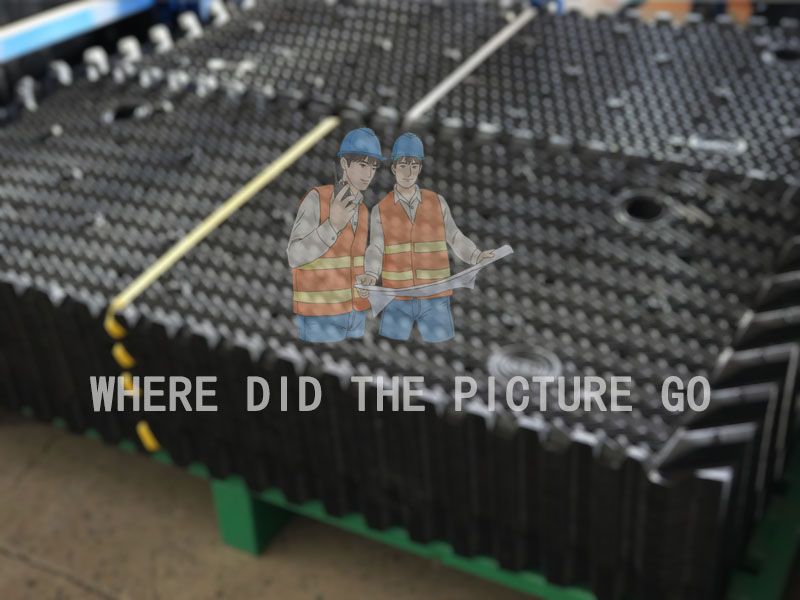
If you work with industrial cooling systems, you already know that the cooling tower fill is the heart of thermal performance. It’s that humble but mighty medium where hot water meets air, shedding heat before the water cycles back. Over the years, I’ve talked with countless plant managers and maintenance pros — and the most common headache is finding the right fill that balances efficiency, durability, and cost. Whether you need cooling tower fill replacement for an aging tower or you're sourcing from a reliable cooling tower filler factory, understanding the options saves time, money, and downtime.
Cooling tower filler (often called fill media or tower fill) is the internal surface area inside a cooling tower where water spreads into thin films or splashes into droplets. This maximizes contact with air, promoting evaporation and heat transfer. Without good cooling tower fills, your tower becomes just an expensive water tank. Modern fill is mostly made from engineered plastics like PVC or PP. A quality tower fill can boost efficiency by 20-30** compared to damaged or outdated media.
Different cooling towers need different fill personalities. Let’s walk through the main categories.
In crossflow towers, water flows vertically downward while air moves horizontally across the fill. The fill here is typically placed in sheets or blocks with vertical flutes. Crossflow fills are easier to inspect and replace because you can access them from the side. For cooling tower fill replacement in crossflow units, look for fills that resist biological growth and have self-draining channels to avoid freezing damage.
Counterflow design sends air upward while water falls straight down — opposite directions. This normally achieves better heat transfer with the same fill volume. The fill is stacked in a deep bed, often using film fill sheets tightly packed. If you need tower fill for a counterflow tower, consider splash fill for dirty water conditions or film fill for clean water applications. Many cooling tower filler factory products support both configurations.
Round cooling towers, especially those with a cylindrical or “spherical” layout, require specially shaped fill blocks that follow the curvature. We have a dedicated Round Cooling Tower Fill product line cut in pie‑shaped or annular sectors for perfect fit. This prevents bypass airflow and optimizes every square inch. If your tower is round, standard square fill will leave gaps — always get custom or pre‑cut round fill.
No matter the tower type, you choose between film and splash. Film fill spreads water in thin sheets clinging to the surface — excellent for clean water and high efficiency. Splash fill breaks water into droplets by hitting bars or grids — handles dirty or scale‑prone water better. Many modern cooling towers use a hybrid or film fill with wider flutes for semi‑dirty water.
Material choice directly affects lifespan and chemical resistance. Let's review the common ones.
Besides fill, our factory also produces Air intake grille to keep debris out of your tower, and Cooling tower water collector (drift eliminators) that recover water droplets and reduce makeup water costs. Pairing quality fill with the right grille and collector maximizes your tower’s ROI.
The internal geometry determines how water and air interact. You’ll hear terms like “flute angle,” “corrugation depth,” and “surface texture”.
When searching for cooling tower fills, ask the supplier for a structural sample. A good cooling tower filler factory will show you how the sheets lock together and whether they resist collapse under heavy water loading.
Don’t just buy any tower fill — match it to your thermal duty and water quality.
Real‑world example: a steel plant replaced old splash bars with our PVC Cooling Tower Fill and cut their approach temperature from 7°C to 4°C, saving 18** fan energy. That’s the power of choosing the right fill.
Most manufacturers offer standard block sizes like 12”x24”x48” (300x600x1200mm) or sheet sizes 24”x48” (600x1200mm). However, towers come in endless shapes — round, triangular, or with internal obstructions. That’s where round cooling tower fill or custom cutting becomes necessary. We provide both standard fill blocks ready to install and custom die‑cut or CNC‑routed fill to match your tower layout exactly. Just send us a drawing or a cardboard template. For existing towers, cooling tower fill replacement with custom sizes reduces bypass gaps and improves efficiency dramatically.
From years of helping customers, here’s my practical checklist:
Even the best tower fill gets dirty or damaged over time. Follow these practices to avoid premature cooling tower fill replacement.
If you notice any of these, start planning your cooling tower fill replacement:
Optimizing your tower goes beyond fill. The Air intake grille stops leaves, insects, and airborne trash from plugging your fill. It’s the first line of defense. Meanwhile, the Cooling tower water collector (drift eliminator) catches water droplets before they escape, reducing water loss by up to 80** and preventing neighborhood misting. Replacing old eliminators while doing a fill upgrade is smart — they work together as a system. We manufacture all three components in the same facility, so you get consistent material quality and a single source of accountability.
Myth 1: “All PVC fills are the same.” Not true — UV‑stabilized, calcium‑filled, or flexible PVC differ hugely. Myth 2: “Higher flute density always gives better cooling.” Only true if water is perfectly clean. In real world, medium flute often balances performance and fouling. Myth 3: “You can use any fill in any tower.” Wrong — crossflow fill can’t just be rotated for counterflow because airflow direction changes. Always match the fill type to the tower design.
Choosing the right cooling tower filler is part science, part experience. I’ve seen too many buyers grab the cheapest alternative online, only to replace it again after 18 months. That’s frustrating and expensive. A smart cooling tower fill replacement project starts with knowing your water, your tower, and your thermal needs. As a direct cooling tower filler factory, we cut out middlemen and give you engineering support, not just box‑moving.
If you’re unsure about which cooling tower filler fits your tower, no worries. Just take a few photos, sketch the dimensions, or better yet, ship us a piece of your current fill. Our engineers will match or improve the design. We also provide free layout recommendations for round, crossflow, and counterflow towers.
Leave a comment
All fields marked with an asterisk (*) are required