
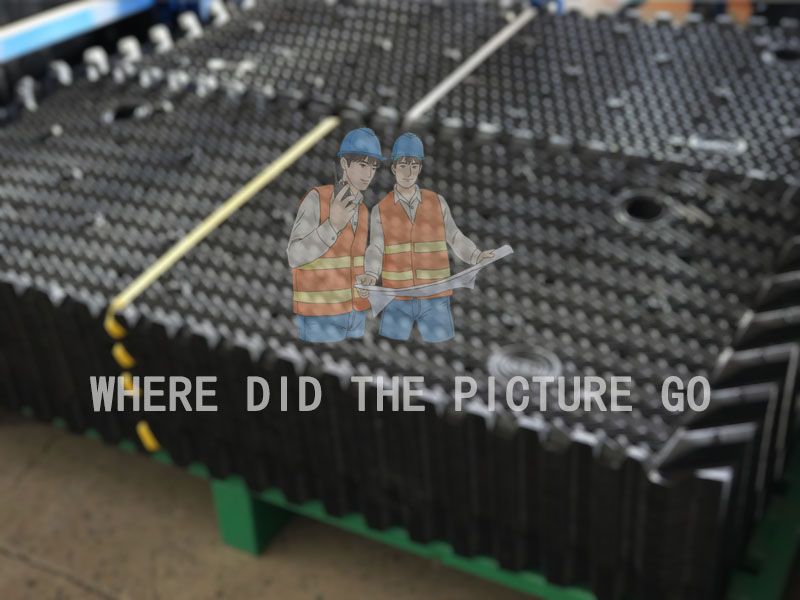
In industrial cooling systems, water quality is often overlooked during early design stages. However, it has a direct and lasting impact on the performance of cooling tower fill. Poor water conditions can quickly reduce efficiency, increase maintenance frequency, and shorten service life. That is why many professionals search for cooling tower fill replacement, cooling tower filler, cooling tower filler factory, tower fill, cooling tower fills, and fill replacement factory when facing performance issues related to scaling or fouling.
This article explores how water quality affects cooling tower fill and what strategies can be used to maintain stable operation. If your system operates in challenging conditions, understanding these factors can help you avoid unnecessary costs and downtime.
Why Water Quality Matters In Cooling Tower Fill Performance
Cooling tower fill relies on clean water flow and unobstructed air movement to perform efficiently. When water contains impurities such as minerals, dirt, or biological contaminants, these can accumulate on the fill surface.
Over time, buildup reduces heat transfer efficiency and restricts airflow. In severe cases, cooling tower fill replacement becomes necessary much earlier than expected.
Cooling Tower Types And Water Sensitivity
Counterflow cooling towers
These systems are sensitive to airflow resistance. Scaling or fouling on cooling tower filler surfaces can significantly reduce performance.
Crossflow cooling towers
Crossflow systems are more affected by uneven water distribution caused by clogging. Clean water flow is essential for maintaining efficiency in cooling tower fills.
Round cooling towers
In round towers, uneven buildup can create airflow imbalance. Using optimized solutions such as: Round Cooling Tower Fill helps improve distribution and reduce risk.
Common Water Quality Issues
Scaling
Minerals in water can form deposits on fill surfaces. This reduces effective surface area and blocks airflow channels.
Biological growth
Algae and bacteria can grow in warm water environments, especially when nutrients are present. This leads to clogging and odor issues.
Suspended solids
Dust and particles can accumulate in the fill structure, restricting water flow and reducing efficiency.
Material Selection Based On Water Conditions
PVC cooling tower fill
PVC is suitable for systems with controlled water quality. It provides reliable performance under standard conditions.
Product reference: PVC Cooling Tower Fill.
PP cooling tower fill
PP is more resistant to chemicals and higher temperatures. It is often used in systems where water quality is more challenging.
Product reference: PP Cooling Tower Fill.
Fill Structure And Resistance To Fouling
Film fill offers high efficiency but is more sensitive to clogging in poor water conditions. Splash fill is more resistant to fouling and may be a better choice for systems with impurities.
A cooling tower filler factory can recommend suitable structures based on water analysis.
Impact On System Efficiency
Poor water quality reduces heat transfer efficiency and increases energy consumption. Fans and pumps must work harder to maintain performance.
Maintaining clean water helps ensure that tower fill operates at optimal efficiency.
Water Treatment Strategies
Water treatment systems can help control scaling, biological growth, and suspended solids. Regular monitoring ensures that water quality remains within acceptable limits.
Proper treatment reduces maintenance requirements and extends the lifespan of cooling tower fills.
Maintenance Practices For Challenging Conditions
Systems with poor water quality require more frequent cleaning and inspection. Early detection of buildup helps prevent severe clogging.
Preventive maintenance reduces the need for frequent cooling tower fill replacement and improves system reliability.
Standard Versus Custom Solutions
Standard cooling tower fills may work in controlled environments. However, systems with challenging water conditions may require customized solutions for better performance.
A fill replacement factory can provide tailored designs that improve resistance to fouling and scaling.
Working With A Professional Supplier
A reliable cooling tower filler factory can help analyze water conditions and recommend suitable materials and structures. This ensures better performance and longer service life.
Technical support from experienced suppliers helps reduce risks and improve system efficiency.
Conclusion
Water quality has a significant impact on cooling tower fill performance and lifespan. Understanding and managing water conditions helps maintain efficiency and reduce operating costs.
By selecting the right cooling tower filler and implementing proper water treatment, you can achieve stable and efficient system operation.
Need Help With Cooling Tower Fill Selection For Your Water Conditions
If you are dealing with water quality issues, you can send us your system details, drawings, or photos. We will help you choose the most suitable cooling tower fill solution.
Leave a comment
All fields marked with an asterisk (*) are required