About Us
We are professional cooling tower fills manufacturer, which can supply wide ranges of cooling tower fills with PVC, PP or CPVC materials.

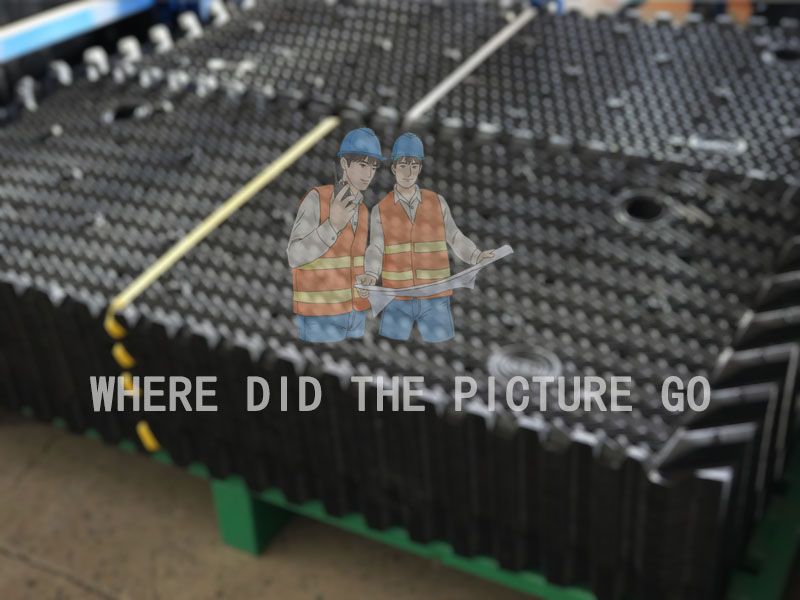
In daily plant operation, cooling systems are expected to run quietly in the background. But once temperatures start creeping up, production efficiency drops fast. In most cases, the issue is not sudden—it’s gradual degradation of the cooling tower fill.
Based on field experience, stable operation depends heavily on how well the cooling tower fill media performs under real working conditions, not just on design parameters.
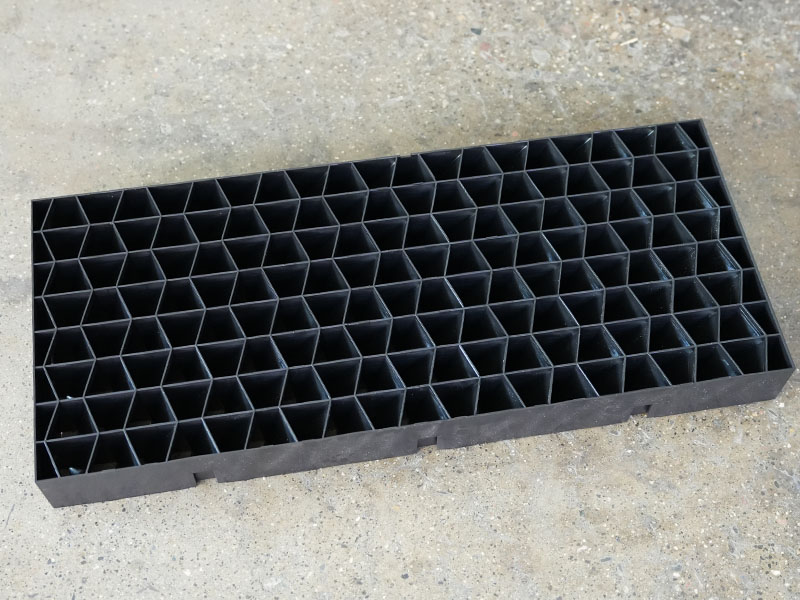
The cooling tower packing works by spreading water into thin films or droplets while air passes through. This interaction removes heat through evaporation.
However, during continuous operation, the tower fill is exposed to contaminants, temperature stress, and chemical reactions, all of which impact performance.
Changes in water quality directly affect fouling rates in cooling tower packing filll.
High temperatures accelerate material aging and reduce cooling efficiency.
Dust and particles accumulate inside cooling fill, especially in open industrial environments.
Improper dosing leads to scaling or biological growth on cooling tower fill media.
Ensure spray systems are functioning correctly to fully utilize cooling tower fills material.
Blocked airflow reduces the effectiveness of the entire cooling tower packing.
Balanced treatment minimizes scaling and fouling.
Routine maintenance prevents buildup from becoming severe.
PVC Cooling Tower Packing is widely used for its cost-effectiveness in moderate environments.
PP Cooling Tower Fill Media performs better under high temperature and chemical exposure.
In many projects, sourcing from a dependable china cooling tower filler manufacturer ensures consistent material quality and supply.
A clear sign that cooling tower fill media efficiency is declining.
Fans and pumps work harder when airflow or water distribution is compromised.
Indicates that cooling tower packing is struggling with fouling.
If performance continues to decline despite maintenance, it’s time to consider a replacement plan. Working with a trusted cooling tower fill replacement supplier helps ensure proper design matching.
Many industrial users now prefer sourcing from china cooling tower infill suppliers for cost-effective upgrades without sacrificing reliability.
High humidity reduced evaporation efficiency. Adjusting cooling fill configuration improved system stability.
Dust accumulation caused frequent clogging. Switching to a more open cooling tower packing design reduced downtime.
Seasonal variations impacted performance. Upgrading cooling tower fills material improved durability and consistency.
Stable cooling performance is not achieved by equipment alone. It depends heavily on the condition and suitability of the cooling tower fill.
With proper operation practices and timely upgrades, systems can maintain high efficiency over long periods.
Mainly fouling, scaling, and material aging.
At least during every scheduled shutdown.
Yes, proper maintenance significantly increases lifespan.
Only when performance cannot be restored through cleaning.
Yes, consistent quality affects long-term reliability.
This article is based on real operational experience in industrial cooling systems, focusing on practical methods to maintain stable performance over time.
Leave a comment
All fields marked with an asterisk (*) are required