About Us
We are professional cooling tower fills manufacturer, which can supply wide ranges of cooling tower fills with PVC, PP or CPVC materials.

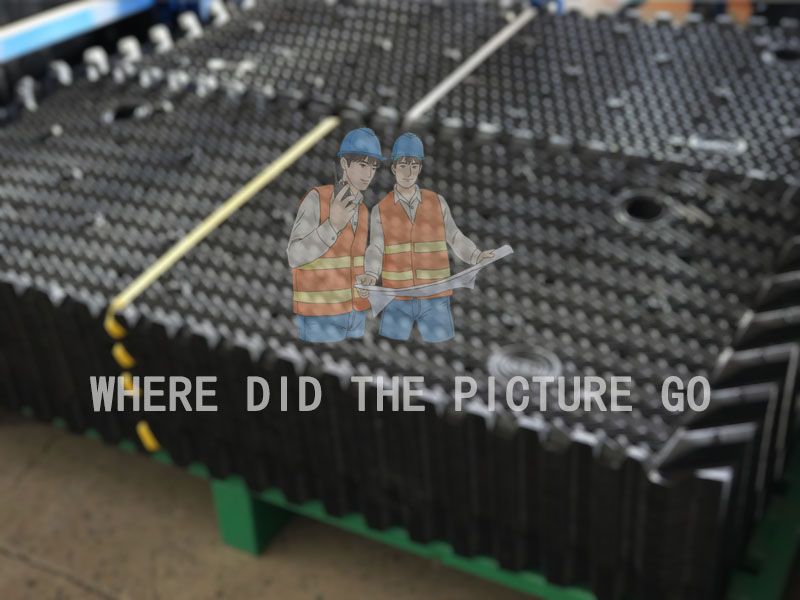
If you’ve ever stood next to a running cooling tower in the middle of summer in Southeast Asia or the Middle East, you already know one thing—conditions are not friendly. High humidity, airborne dust, scaling water… all of these quietly attack your system. And in most cases, the first component to show problems is the cooling tower fill.
From my experience, many plants don’t actually need a brand new tower. What they really need is a smarter cooling tower fill replacement supplier strategy and the right choice of cooling tower fills material.
People often overlook how much impact cooling tower packing has on system stability. Once the fill starts to deform, clog, or lose structure, the cooling efficiency drops immediately.
That’s why experienced operators don’t wait for failure. They monitor performance and plan replacement early, often sourcing from a reliable china cooling tower filler manufacturer to control cost without sacrificing quality.
If water starts channeling instead of spreading evenly, your cooling fill structure is already compromised.
Blocked airflow caused by fouled cooling tower packing filll forces fans to work harder.
This is usually the first measurable sign that your cooling tower fill media is no longer performing efficiently.
Heat and chemical exposure can warp low-quality materials over time.
Clean systems can use high-efficiency film fill, while dirty systems benefit from more open designs.
PVC Cooling Tower Packing is cost-effective, but in high-temperature environments, PP Cooling Tower Fill Media performs better.
Sourcing from a trusted china cooling tower infill producer ensures consistent quality and faster delivery for large projects.
Just copying the old design ignores current operating conditions.
New cooling tower packing must match support systems and airflow design.
Cheap fill often leads to faster degradation and higher long-term cost.
High humidity caused reduced evaporation efficiency. Upgrading cooling tower fill media improved heat exchange without increasing energy use.
Sand and dust clogged dense fill structures. Switching to a more open cooling fill design extended service life.
Seasonal temperature variation required more stable cooling tower packing performance. Material upgrade solved deformation issues.
Prevent scaling and biological growth before they become severe.
Proper chemical control reduces fouling risks.
Check for early signs of wear in cooling tower fills material.
Don’t wait until your system fails completely. If performance starts dropping, your cooling tower packing is already telling you something.
Upgrading at the right time, with the right design, is far more cost-effective than emergency shutdowns.
A well-planned replacement strategy using the right cooling tower fill can restore efficiency, reduce energy consumption, and extend the life of your entire cooling system.
In real engineering work, smart upgrades always outperform reactive repairs.
Typically every 3–5 years depending on operating conditions.
PP performs better in high temperature and chemical environments.
Yes, especially if the original design was not optimized.
Fouling, scaling, and poor material selection.
Yes, if operating conditions have changed or previous performance was poor.
This article reflects practical field experience in cooling tower optimization, focusing on real-world solutions rather than theoretical design.
Leave a comment
All fields marked with an asterisk (*) are required