About Us
We are professional cooling tower fills manufacturer, which can supply wide ranges of cooling tower fills with PVC, PP or CPVC materials.

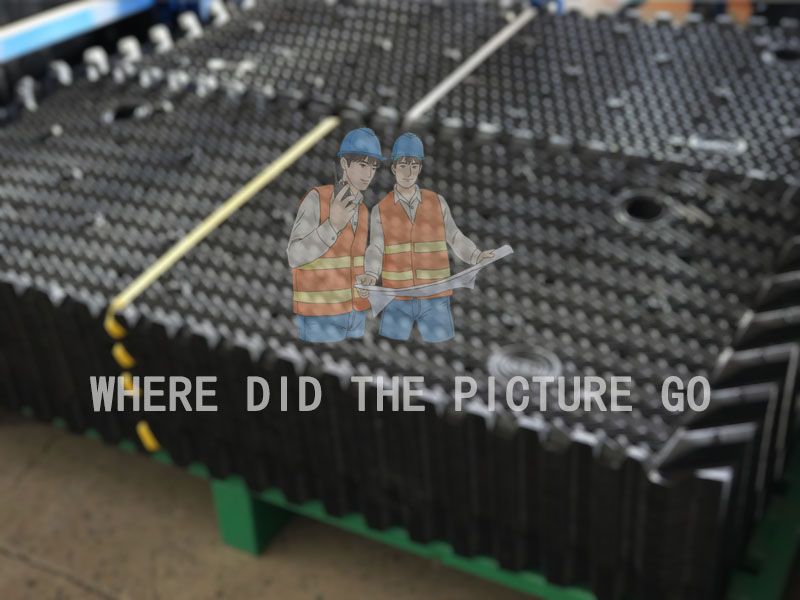
In many industrial sites, cooling towers fail to meet design temperature targets. In most cases, the issue is not the fan or pump—it’s the cooling tower fill. Poor selection, aging material, or improper design can quickly reduce system efficiency and increase operating costs.
For engineers and procurement teams across Southeast Asia, the Middle East, and Japan, selecting the right cooling tower fill media is not just a technical choice—it directly affects production stability, maintenance workload, and long-term investment returns.
Cooling tower fill is the internal structure that maximizes the interaction between hot water and air. By increasing surface area and slowing water flow, it allows heat to dissipate effectively.
In simple terms, without efficient cooling fill, your cooling tower becomes just a large water distributor with limited heat exchange capability.
Film fill cooling tower designs spread water into thin layers over structured sheets. This significantly improves heat transfer efficiency.
Splash fill cooling tower systems break water into droplets. This reduces fouling and allows operation in harsh water conditions.
Corrugated fill combines structured flow channels with improved water distribution, offering a balance between performance and durability.
PVC Cooling Tower Packing is widely used due to its affordability and ease of installation. However, it is sensitive to high temperatures.
PP Cooling Tower Fill Media provides better durability and chemical resistance, making it ideal for challenging environments.
The effectiveness of cooling tower fill determines how much heat can be removed per cycle. A well-designed tower fill system improves airflow distribution and water coverage, directly enhancing cooling tower fill efficiency.
Key performance considerations include:
In one industrial upgrade, replacing outdated cooling tower packing filll improved cooling capacity by 13** and reduced energy consumption noticeably.
Selecting the right cooling tower fill design requires understanding system conditions:
For example:
Useful internal product references:
Cooling tower fill clogged reduces airflow and water distribution, leading to rapid efficiency loss.
Mineral deposits build up on the surface, reducing heat transfer effectiveness.
Over time, cooling tower fill material becomes brittle, deforms, or breaks, requiring replacement.
Heavy biological growth caused frequent cooling tower fill clogged issues. Switching to splash fill reduced downtime significantly.
Standard PVC failed under high heat. Upgrading to pp cooling tower fill ensured stable operation over long periods.
Using cooling tower fill for dirty water improved reliability and reduced cleaning frequency by nearly half.
| Type | Material | Application | Efficiency | Maintenance |
|---|---|---|---|---|
| Film Fill | PVC | Clean systems | High | Moderate |
| Splash Fill | PP | Dirty systems | Medium | Low |
| Corrugated Fill | PVC PP | Mixed systems | Balanced | Moderate |
Optimizing cooling tower fill is one of the most effective ways to improve system performance. With the right selection of cooling tower fill media, proper maintenance, and real-world engineering judgment, industrial cooling systems can achieve higher efficiency and longer service life.
It depends on water quality and operating conditions. Film fill for clean water, splash fill for dirty systems.
Watch for rising outlet temperature, increased fan load, or uneven water distribution.
Typically every few years or when efficiency drops significantly.
PP generally lasts longer than PVC under harsh conditions.
Yes, efficient designs reduce fan power and improve overall system performance.
This guide is based on over 10 years of practical experience in industrial cooling tower systems across Asia and the Middle East. The recommendations reflect real project data, field troubleshooting, and design optimization practices aligned with ASHRAE and Cooling Technology Institute CTI guidelines.
Leave a comment
All fields marked with an asterisk (*) are required