About Us
We are professional cooling tower fills manufacturer, which can supply wide ranges of cooling tower fills with PVC, PP or CPVC materials.

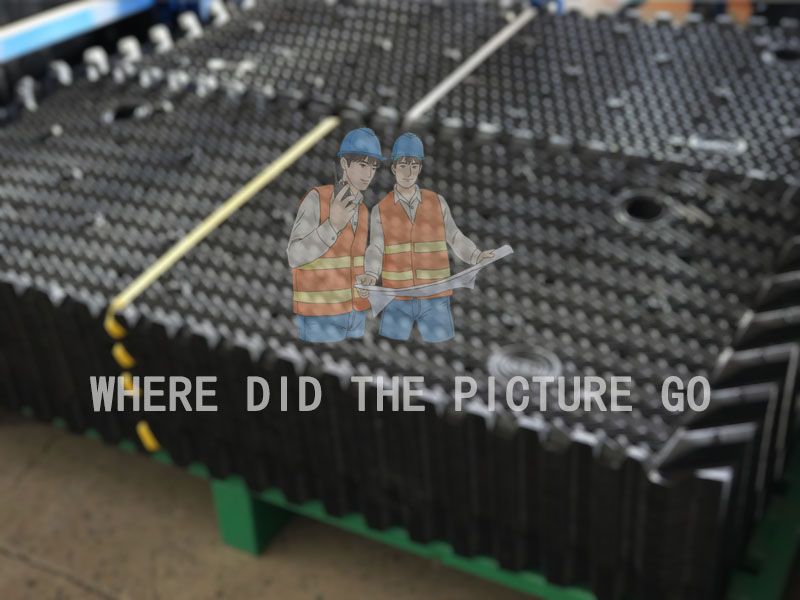
Power plants require stable and reliable cooling systems to maintain continuous operation. During electricity generation, a large amount of heat is produced and needs to be removed efficiently. Cooling towers play an important role by transferring this excess heat from circulating water into the atmosphere.
Inside a cooling tower, the fill media is one of the most important components for heat exchange. A properly selected cooling tower fill helps increase the contact area between water and air, allowing the cooling process to work more effectively.
For power plants, cooling tower components need to handle long operating hours, large water flow rates, and demanding environmental conditions. Choosing suitable cooling tower packing is therefore an important part of maintaining stable cooling performance.
This article explains how cooling tower fill works in power plant applications, what factors influence selection, and how proper fill solutions can support long-term cooling system operation.
In a power plant, the cooling system removes heat generated during the electricity production process. After absorbing heat, circulating water needs to be cooled before returning to the system.
The basic cooling process includes:
The efficiency of this process affects the overall reliability of the power plant. If the cooling tower cannot remove enough heat, equipment performance may be affected.
The main function of cooling tower fill media is to improve the contact between air and water.
In large power plant cooling towers, water flow is usually very high. Without proper fill design, water would pass through the tower too quickly, reducing the heat transfer effect.
A suitable fill structure helps:
For power plant applications, the fill design needs to balance cooling efficiency with operating reliability.
Film Fill is widely used in many modern cooling tower systems because it provides a large heat exchange surface area.
The special surface design allows water to spread into a thin layer while air passes through the fill structure. This improves evaporation and heat transfer efficiency.
Film Fill is commonly considered for power plant cooling systems where:
Some power plant applications may use splash fill designs, especially where water contains more suspended particles or where easier maintenance is required.
Splash fill breaks water into smaller droplets through repeated impact, increasing the interaction between water and air.
The final selection depends on the cooling tower design and actual operating conditions.
Selecting the right cooling fill for a power plant requires more consideration than simply choosing a standard product.
Power plants often operate with large volumes of circulating water. The quality of this water can directly influence fill performance.
Important factors include:
If water contains too many impurities, fill passages may become blocked over time. Therefore, the selected fill structure should match the water condition.
Power plant cooling systems often operate under continuous thermal load.
The selected material needs to maintain stable performance under long-term exposure to temperature changes.
PVC and PP are two commonly used materials for cooling tower fill production.
PVC fill is widely used in many cooling tower applications because it offers balanced performance and good manufacturing flexibility.
It is suitable for many standard power plant cooling environments where operating conditions are well controlled.
PP material provides good temperature resistance and chemical stability.
For certain power plant projects with higher temperature requirements or special operating conditions, PP fill may be considered as a suitable option.
Power plants often operate continuously, which creates several challenges for cooling systems.
Unlike some commercial cooling systems, power plant cooling towers may run throughout the year.
Continuous operation increases the importance of reliable fill material and proper maintenance.
Power plants usually require much higher water circulation compared with commercial buildings.
The fill system needs to provide stable performance under high water loading conditions.
Power plants are located in different environments, including coastal areas, deserts, and industrial zones.
Temperature, humidity, dust, and water conditions can all influence the selection of cooling tower components.
Many power plants operate cooling towers for decades. Over time, the original fill may experience aging or performance decline.
Common reasons for replacement include:
Replacing old fill can be an effective way to improve cooling performance without rebuilding the complete cooling tower structure.
A cooling tower is a complete system. When replacing fill media, engineers often inspect other related components.
Proper airflow is essential for effective heat exchange.
The Air intake grille helps control incoming air and supports stable airflow conditions.
A blocked or damaged air intake section may reduce cooling performance even when the fill itself is in good condition.
Water recovery is another important consideration in large cooling tower systems.
The Water Collector helps reduce water droplets escaping with discharged air and improves water management efficiency.
Improving cooling tower performance usually requires a complete system approach.
Recommended practices include:
A combination of proper equipment selection and regular maintenance helps maintain stable cooling operation.
For power plant applications, the right fill solution can provide several practical benefits:
The actual results depend on the complete cooling system design and operating environment.
As energy industries continue developing, cooling systems are also moving toward higher efficiency and better resource management.
Future cooling tower development will focus on:
Cooling tower components such as fill media, airflow parts, and water management systems will continue playing an important role in improving overall system performance.
Power plants depend on reliable cooling systems to maintain safe and stable operation. Among all cooling tower components, the fill media plays a critical role in heat transfer performance.
Selecting the right tower fill requires understanding water quality, operating temperature, tower design, and maintenance conditions.
For new power plant projects or cooling tower renovation work, a suitable cooling tower fill solution can help improve system reliability and support long-term operation.
Leave a comment
All fields marked with an asterisk (*) are required