
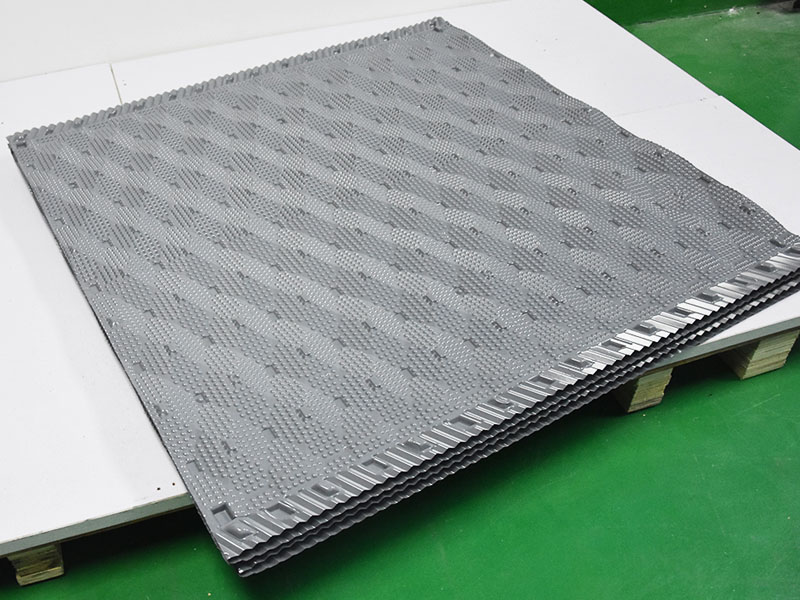
When evaluating cooling tower fill, many buyers focus on basic specifications, but real performance depends on how well the fill matches the system. Cooling tower fills are responsible for creating the contact surface between water and air, which directly affects heat exchange efficiency. That is why terms like cooling tower fill replacement, cooling tower filler factory, cooling tower filler, tower fill, cooling tower fills, and fill replacement factory are commonly searched when users want to improve system performance or solve existing issues.
This guide takes a practical approach to understanding cooling tower fill. We will go through how fill works, how it should be selected for different tower types, what materials are available, how structure impacts efficiency, and what to watch during installation and maintenance. Whether you are upgrading an existing system or planning a new one, this article will help you make more confident decisions.
What Makes Cooling Tower Fill So Important
Cooling tower fill is not just a passive component. It actively shapes how water flows, spreads, and interacts with air. A well-designed fill increases surface area, slows down water movement, and improves heat transfer. At the same time, it must allow air to pass through with minimal resistance.
When fill performance drops, the entire system feels the impact. You may see higher outlet temperatures, increased fan load, or uneven water distribution. These are common signals that cooling tower fill replacement may be required. Ignoring these signs can lead to higher operating costs and reduced equipment lifespan.
Cooling Tower Types And Fill Requirements
Large industrial counterflow towers
These towers are designed for high efficiency and large capacity. They require fill that can handle strong airflow while maintaining excellent heat transfer performance. In such systems, tower fill must be carefully selected to avoid excessive pressure drop. A well-balanced design helps maintain both efficiency and energy savings.
Commercial crossflow towers
Crossflow towers are commonly used in HVAC and light industrial applications. They require fill that supports even water distribution and is easy to maintain. In these systems, cooling tower fills should be resistant to clogging and simple to replace, especially in environments with dust or impurities.
Special structure round towers
Round towers require fill that fits circular layouts. Standard rectangular fill may not provide the best fit, leading to gaps or uneven airflow. For these applications, specially designed products are recommended: Round Cooling Tower Fill.
Material Selection Based On Working Conditions
PVC cooling tower fill
PVC is widely used due to its cost efficiency and stable performance. It works well in moderate temperature environments and is suitable for most standard cooling systems. Many buyers choose PVC for general applications where conditions are not extreme.
Product reference: PVC Cooling Tower Fill.
PP cooling tower fill
PP offers better resistance to heat and chemicals. It is often used in industrial systems with higher operating temperatures or more aggressive water conditions. This material provides longer service life in demanding environments.
More details: PP Cooling Tower Fill.
Fill Structure And Its Impact On Performance
The internal structure of cooling tower fill determines how water spreads and how air flows through the system. Film fill creates a continuous water layer, maximizing contact with air. Splash fill, on the other hand, breaks water into droplets, which can reduce clogging in systems with poor water quality.
Choosing the right structure depends on several factors, including water cleanliness, airflow design, and maintenance capability. A cooling tower filler factory with experience in different industries can help match the right structure to your system.
Performance Factors That Affect Efficiency
Efficiency is not determined by a single factor. It is a combination of heat transfer capability, airflow resistance, and water distribution. A well-designed tower fill should provide strong cooling performance without increasing fan energy consumption.
Another important factor is durability. Fill that degrades quickly will require frequent replacement, increasing maintenance costs. That is why many buyers consider long-term performance when selecting cooling tower fills rather than focusing only on initial price.
Standard Dimensions Versus Custom Solutions
Standard cooling tower fills are suitable for many applications and offer quick availability. However, not all towers are built to standard dimensions. Over time, structural changes or previous repairs may require customized solutions.
Custom fill ensures proper fit and optimal performance. It is particularly useful for older systems or specialized designs. A fill replacement factory with customization capabilities can produce fill that matches exact requirements, reducing installation challenges.
Important Considerations Before Purchase
Before selecting cooling tower fill, it is important to evaluate operating conditions. Consider water temperature, chemical exposure, airflow design, and installation space. These factors influence both performance and material selection.
Buyers should also verify supplier reliability. A professional cooling tower filler factory should provide technical guidance, consistent quality, and reliable delivery. This becomes especially important for large-scale projects or long-term partnerships.
Installation Best Practices
Proper installation is essential for achieving expected performance. Fill should be installed evenly, with no gaps or misalignment. Support structures must be stable, and water distribution systems should be checked before operation.
Even high-quality cooling tower filler can underperform if installation is not done correctly. Taking the time to ensure proper setup can prevent many issues later.
Maintenance Tips For Long Term Use
Regular maintenance helps extend the lifespan of cooling tower fill. This includes cleaning to remove scale and debris, inspecting for damage, and ensuring even water flow. Maintenance frequency depends on operating conditions.
In systems with poor water quality, more frequent inspections may be required. Identifying problems early can reduce the need for major repairs or complete cooling tower fill replacement.
Common Problems And Practical Solutions
Some common issues include clogging, uneven water distribution, and structural damage. These problems often result from poor water quality, incorrect fill selection, or lack of maintenance. Addressing the root cause is essential for long-term improvement.
Working with an experienced cooling tower filler supplier can help identify these issues and recommend practical solutions. This approach ensures better performance and reduces downtime.
Conclusion
Cooling tower fill plays a critical role in system efficiency and reliability. Choosing the right material, structure, and size can significantly improve cooling performance and reduce operating costs. Understanding your system requirements is the first step toward making the right decision.
Whether you are selecting fill for a new installation or planning a cooling tower fill replacement, taking a comprehensive approach will help achieve better results. Focus on performance, durability, and supplier support to ensure long-term success.
Need Help Choosing The Right Cooling Tower Fill
If you have questions about specifications or replacement options, you can send us your drawings, dimensions, or reference photos. We will help you review the structure and recommend a suitable solution based on your project.
Leave a comment
All fields marked with an asterisk (*) are required