About Us
We are professional cooling tower fills manufacturer, which can supply wide ranges of cooling tower fills with PVC, PP or CPVC materials.

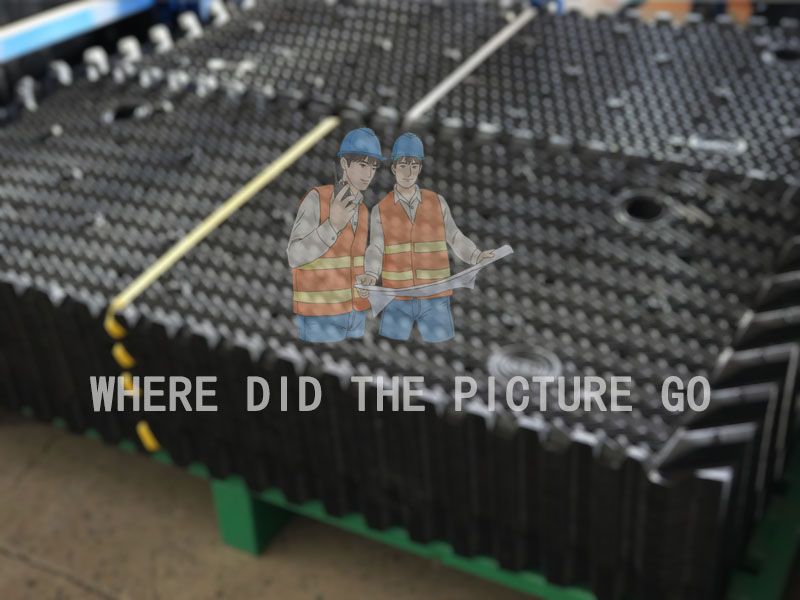
Industrial cooling towers operate continuously in many sectors such as HVAC systems, manufacturing plants, power generation facilities, and chemical processing lines. Over time, internal heat exchange components may gradually lose efficiency due to aging, fouling, or structural deformation. In many situations, replacing the internal media with properly designed cooling tower fills can significantly improve cooling performance while extending the overall service life of the tower system.
A cooling tower filler is the structured media installed inside the cooling tower to increase the contact surface between circulating water and airflow. When hot water flows downward through the tower and air moves through the internal structure, heat is transferred through evaporation and convection. The tower fill guides water distribution and maximizes this heat exchange process.
Without properly designed tower fill, water may simply fall through the tower with minimal contact with air. This results in inefficient heat transfer and higher operating temperatures. For this reason, cooling tower fills are considered one of the most important internal components affecting cooling performance.
Many industrial facilities periodically evaluate their cooling tower filler condition and schedule cooling tower fill replacement when the material begins to degrade or clog. Replacing the internal media is often far more cost-effective than replacing the entire tower structure.
In counter flow cooling towers, air moves vertically upward while hot water flows downward through the tower fill. This opposite flow direction allows strong thermal exchange and efficient evaporation. Counter flow towers are commonly used in industrial cooling systems where high efficiency and compact design are important.
Because airflow travels directly upward through the filler media, the internal structure must maintain stable vertical channels that allow air to move freely while still spreading water evenly across the surface. In many installations, structured film media similar to the counter flow cooling tower fill is used to maintain airflow balance and efficient heat transfer.
Cross flow cooling towers operate differently. In this design, air flows horizontally through the tower while water moves downward from the hot water basin. Because airflow moves sideways across the fill blocks, the cooling tower filler must maintain open air passages while guiding water along the surface.
Corrugated film structures are commonly used in these systems because they create stable water channels and maintain sufficient airflow openings. In many HVAC installations, engineers choose structured media similar to the cross flow cooling tower corrugated fill to maintain balanced airflow and water distribution.
Some cooling tower designs require stronger water redistribution and improved turbulence to maximize heat transfer. Corrugated structures can help guide water through wave-shaped channels, increasing the interaction between air and water across the fill surface.
During certain cooling tower fill replacement projects, engineers may choose upgraded structures that improve performance without requiring modifications to the tower body. For example, structured designs similar to the S-Type corrugated cooling tower fill are often used when better water spreading and stable airflow channels are required.
A professional cooling tower filler factory typically manufactures fill media using several types of thermoplastic materials. Each material offers different advantages depending on operating conditions and water chemistry.
PVC is the most widely used material in cooling tower fills. It offers strong corrosion resistance, stable mechanical strength, and cost-effective manufacturing. Many industrial cooling systems rely on PVC tower fill because it performs well in typical temperature ranges.
Polypropylene filler materials provide better temperature resistance than standard PVC media. They are often used in industrial applications where circulating water temperatures are higher or where chemical resistance is required.
CPVC materials are designed for high temperature applications where traditional PVC may not perform reliably. This material provides greater thermal stability and longer operational life under demanding conditions.
A reliable fill replacement factory can help determine which material is best suited for a specific cooling system based on operating temperature and water quality.
Cooling tower filler media can be manufactured using several structural designs depending on cooling requirements and water conditions.
Film fill spreads water into thin layers across the surface of the filler. This increases the surface area available for heat transfer and allows efficient evaporation. Film fill is commonly used in systems with relatively clean water conditions.
Splash fill structures break water into droplets by forcing it to impact bars or grids inside the tower. This design is less sensitive to fouling and can perform well in environments where water contains suspended solids or debris.
Corrugated tower fill uses structured wave-shaped sheets to guide water flow and maintain airflow passages. The design balances efficient heat transfer with stable airflow resistance, making it one of the most widely used cooling tower filler configurations in modern towers.
The efficiency of cooling tower fills depends on several design and operational factors.
A larger surface area allows water to spread more evenly across the filler media. This increases the opportunity for evaporation and heat transfer.
If airflow resistance is too high, fans must work harder to push air through the tower. Efficient tower fill design balances heat transfer surface area with acceptable airflow pressure drop.
Uniform water distribution across the filler ensures consistent cooling performance. Uneven distribution can lead to localized hot spots within the tower.
Industrial water often contains minerals or biological contaminants. Well designed cooling tower filler structures reduce clogging risk and maintain stable operation.
Most cooling tower filler factory manufacturers provide both standard production sizes and custom fabricated solutions to meet different tower configurations.
Standard cooling tower fills are usually produced in modular sheets that can be assembled into blocks. These modules are widely used for routine maintenance and cooling tower fill replacement projects where tower dimensions follow common industry specifications.
Some cooling towers require customized filler blocks due to unique internal support structures or special performance requirements. In these cases, a fill replacement factory can produce custom dimensions, corrugation angles, and sheet thickness to match the tower design.
Selecting the correct tower fill requires evaluating several practical factors before purchasing.
Counter flow and cross flow towers require different filler structures to match airflow patterns.
Water chemistry and contamination levels influence whether film fill or splash fill structures should be used.
High temperature systems may require polypropylene or CPVC filler materials rather than standard PVC.
Modular cooling tower fills that match existing tower dimensions can significantly reduce installation time during replacement projects.
Regular inspection and maintenance help extend the service life of cooling tower filler media.
Inspect the tower fill periodically to detect scaling, clogging, or mechanical damage.
Maintaining proper chemical treatment helps prevent biological growth and mineral buildup on the fill surface.
Even high quality cooling tower fills may eventually require replacement after years of operation. Planning cooling tower fill replacement during scheduled shutdown periods helps avoid unexpected downtime.
Choosing a professional cooling tower filler factory can make a significant difference when sourcing tower fill for new installations or replacement projects. Experienced manufacturers understand airflow design, material selection, and structural requirements for different tower types.
A knowledgeable fill replacement factory can also review cooling tower drawings and recommend the most suitable cooling tower filler structure based on real operating conditions. This technical support helps ensure that the installed tower fill performs efficiently once the system returns to operation.
Cooling tower fills play a central role in maintaining efficient heat exchange within industrial cooling systems. By selecting the appropriate material, structure, and size, operators can improve cooling performance while reducing long-term operating costs.
Whether installing new tower fill or planning a cooling tower fill replacement, understanding tower design, water quality, and airflow characteristics will help ensure the cooling system operates reliably for many years.
If you are not sure which cooling tower filler is suitable for your project, you can send us your cooling tower drawings, dimensions, or photos of the existing fill structure. Our team can help evaluate the tower design and recommend an appropriate solution for your replacement or new installation.
Leave a comment
All fields marked with an asterisk (*) are required