About Us
We are professional cooling tower fills manufacturer, which can supply wide ranges of cooling tower fills with PVC, PP or CPVC materials.

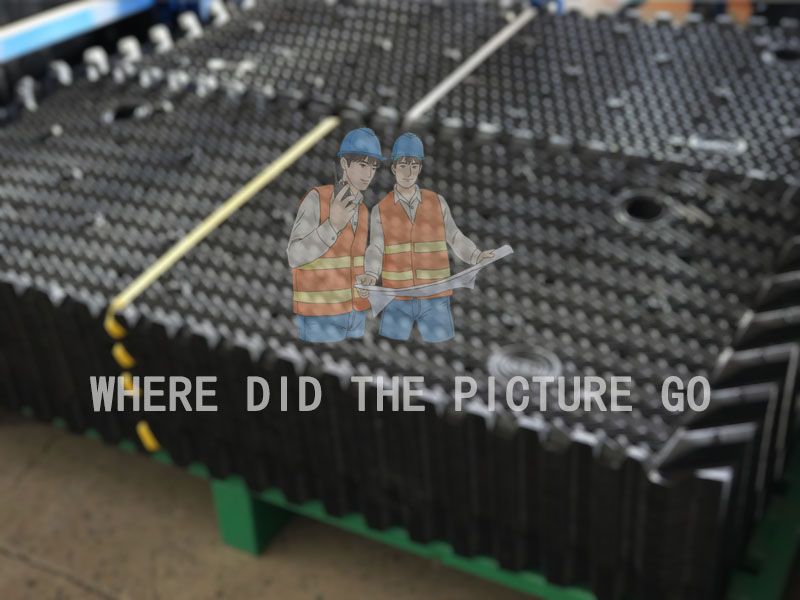
When a cooling tower starts to lose efficiency, many plant teams first notice higher outlet water temperature, weaker cooling stability, or more frequent cleaning work. In many cases, the real issue is inside the tower media. That is why buyers often begin searching for cooling tower fills when they want a practical fix instead of a temporary patch. A proper tower fill does not just support cooling. It supports the whole operating rhythm of the system.
For projects in Southeast Asia, the Middle East, Japan, and Korea, this matters even more because operating environments can be tough. High ambient temperature, different water quality, long running hours, and seasonal load changes all affect the fill. So when a customer looks for cooling tower fill replacement, tower fill, cooling tower filler, or a dependable cooling tower filler factory, the real question is usually simple: what solution will keep the tower stable for the longest time with the least trouble.
A cooling tower filler is the internal media that gives water and air a better chance to exchange heat. Warm circulating water flows across the fill surface. Air moves through the tower body. The fill creates the working space where heat leaves the water and is carried away by the airflow. If that media is designed well, cooling becomes faster, more stable, and more energy friendly.
In real projects, a good fill also helps the tower in less obvious ways. It can reduce dead zones, improve water spread, support better airflow balance, and make maintenance more manageable. That is why fill selection is not only about technical specs. It is also about what happens after months or years of use.
A lot of buyers only think about replacement once performance drops. But a better approach is to think ahead. If the current tower fill is aging, clogged, brittle, or mismatched with the system, planning a cooling tower fill replacement early can save both downtime and operating cost.
In counter flow towers, air moves upward while water moves downward. This creates a strong thermal exchange pattern and is widely used in industrial applications that need good cooling in a compact footprint. Because the airflow direction is vertical, the cooling tower filler must allow stable passage of air while keeping water distribution even.
For this type of tower, fill structure and support strength matter a lot. If the media is too weak, too dense, or too easy to deform, performance will suffer over time. That is why replacement projects for counter flow systems usually require careful matching to the original layout.
A related product example can be found here:counter flow cooling tower fill.
Cross flow towers use a different pattern. Air moves horizontally through the fill, while water drops down from the hot water distribution area. This design is common in HVAC and many industrial cooling applications because it is practical, accessible, and efficient in the right conditions.
For cross flow towers, corrugated media is often a strong option because it helps guide water across the surface while preserving airflow paths. Maintenance teams also like this layout because inspection and cleaning can be more manageable than in some tightly packed systems.
You can see one example here:cross flow cooling tower corrugated fill.
Sometimes a project does not need a totally new tower. It only needs better performance from the existing structure. In those cases, corrugated replacement media can be a very practical solution. An S type corrugated layout is often chosen when the buyer wants stronger water redistribution and more active air water contact without changing the whole tower body.
That is one reason corrugated tower fill is popular in retrofit work. It gives the tower a fresh operating profile while keeping installation relatively straightforward.
One matching example is here:S type corrugated cooling tower fill.
A cooling tower filler factory usually offers several material options because not every system runs under the same conditions. Material affects temperature resistance, chemical tolerance, durability, and long term shape stability.
PVC is the most common choice for many cooling tower fills. It offers a useful balance between cost, availability, and performance. For moderate temperature systems with controlled water chemistry, PVC remains a reliable option.
PP is often selected when the system needs a little more temperature resistance or stronger chemical tolerance. Some industrial users prefer PP when they expect harsher operating conditions than standard towers.
CPVC is used when the application requires stronger heat resistance. In certain industrial cooling environments, this can make the difference between stable long term service and premature aging of the fill.
Some cooling tower filler suppliers also offer modified or custom material choices for special environments. This can be useful for plants with unusual water conditions, higher temperatures, or strict service life expectations.
When buyers compare tower fill products, structure is just as important as material. The internal shape determines how water spreads, how air moves, and how likely the fill is to foul over time.
Film type fill is designed to spread water into thin layers across large surfaces. This usually gives strong heat transfer efficiency, which is why it is widely used in clean water applications where performance is the top priority.
Splash fill breaks water into droplets or streams using bars, grids, or open structures. It is usually more tolerant of dirty water and scaling, so it can be a smart choice in less perfect water conditions.
Corrugated designs create wave like channels that help manage water flow and airflow at the same time. They are versatile, efficient, and widely used for both new construction and replacement projects.
Many modern cooling tower fills are supplied in modular form. That makes installation faster and replacement easier. It is especially helpful when the goal is to reduce downtime during a planned maintenance shutdown.
A fill may look similar on paper, but in actual operation small differences can change the result quite a lot. Buyers should pay attention to the following points.
This is the main job of the fill. A higher quality tower fill gives the water more effective contact with air, which improves cooling performance.
If resistance is too high, the fan may need to work harder. That can increase power use and create unnecessary stress on the system. Good design balances cooling strength with smooth airflow.
Uniform water distribution is critical. If water collects in one area and misses another, the tower cannot perform consistently. That is one reason replacement media should match the existing tower design carefully.
Scale, algae, and suspended solids can reduce performance quickly. A structure that is easier to clean and less likely to trap debris usually performs better over time.
A lot of replacement jobs are not as simple as dropping in a standard product. Some towers use common dimensions. Others need a special fit because the tower was built to a unique drawing or has already been modified in the past.
Standard size cooling tower fills are useful when the tower design is common and the replacement schedule needs to move quickly. They are often more convenient when the installation team wants a straightforward swap.
Custom production is better when the tower dimensions are unusual, when a retrofit is involved, or when the old fill layout needs to be matched more closely. A capable cooling tower filler factory can adjust size, thickness, block format, or internal channel design according to the project.
A poor fit can cause bypass air, water leakage, uneven loading, or installation delays. In short, even a strong product can perform badly if it does not fit the tower properly.
Selecting cooling tower fills is easier when you focus on a few practical points rather than only the product name.
Counter flow and cross flow towers are not interchangeable in the way they use fill. The airflow direction and water path should guide the selection.
Clean water, hard water, chemically treated water, and dirty process water all behave differently. The fill should be selected based on the real site condition, not just general assumptions.
The material must match the actual operating temperature. A cheaper material may save money at purchase time, but it can cost more later if it fails early.
Some fills are easier to install and inspect than others. If a tower is difficult to access, that should be considered before finalizing the purchase.
A good cooling tower filler can still lose performance if it is neglected. Simple maintenance habits can make a big difference.
Look for cracks, deformation, clogging, and uneven water flow. These signs usually show up before full performance loss becomes obvious.
Good water treatment helps reduce scale and biological growth. This protects the fill surface and keeps heat transfer more stable.
The cleaning schedule should match the real operating environment. Some towers need frequent attention while others can run longer between maintenance cycles.
If the fill becomes brittle, heavily fouled, or no longer supports stable cooling, replacement is usually the best solution. In many cases, a planned cooling tower fill replacement is more economical than repeated patchwork repairs.
A specialized cooling tower filler factory can do more than just supply sheets or blocks. It can help buyers understand which structure fits the tower, which material suits the water condition, and which dimension is needed for the actual installation.
That is especially useful for retrofit projects, older towers, or special industrial applications. In those cases, technical communication matters a lot. A supplier that understands tower fill as a working component, not just a plastic product, can save time and reduce mistakes.
A good partner should be able to discuss replacement options clearly, support custom work when needed, and give practical advice based on real operating conditions.
Cooling tower fill plays a major role in the efficiency and stability of the whole cooling system. The right structure, material, and fit can improve heat transfer, support better water distribution, and reduce long term maintenance pressure. Whether the project is a new tower, a retrofit, or a full cooling tower fill replacement, the best results come from matching the product to the tower type and site condition.
For industrial buyers, choosing a reliable cooling tower filler factory is often the safest way to avoid performance issues later. A well selected tower fill can support smoother operation, lower operating cost, and better system reliability over time.
If you are not sure which cooling tower filler fits your tower, send us the drawing, sample photo, or old fill structure. We can help you identify the media and recommend a suitable replacement solution for your project.
Leave a comment
All fields marked with an asterisk (*) are required