About Us
We are professional cooling tower fills manufacturer, which can supply wide ranges of cooling tower fills with PVC, PP or CPVC materials.

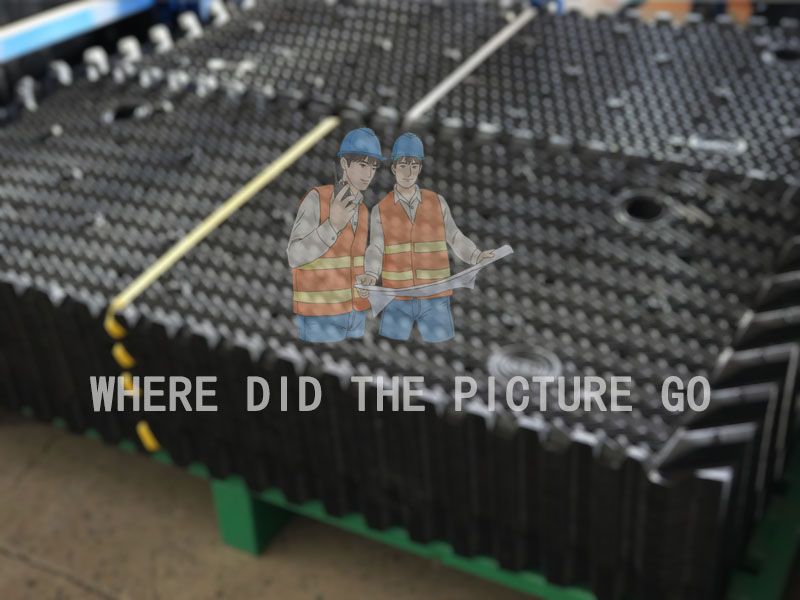
When people talk about industrial cooling systems, one of the most important components is the cooling tower fills. Whether you are planning a new installation or looking for a reliable cooling tower fill replacement, the design and quality of the fill directly affect the cooling performance of the entire tower. For many engineers and maintenance managers across Southeast Asia, the Middle East, Japan, and Korea, selecting the right tower fill is often the key factor that determines energy efficiency, water temperature stability, and long-term operating costs.
Cooling tower filler works by increasing the contact surface area between water and air. As warm circulating water flows across the structured surfaces of the fill, air passes through the channels. This process allows heat to transfer efficiently from the water to the air. The better the design of the fill, the more efficient the heat exchange process becomes.
In this guide, we will walk through everything you should know about cooling tower filler systems. We will introduce how tower fill works, the different types used in various cooling tower designs, common materials, performance considerations, custom manufacturing options from a cooling tower filler factory, and practical maintenance tips that help extend the life of your cooling tower fills.
Cooling tower fill is often described as the heart of a cooling tower. It is the structured media inside the tower where water spreads and airflow interacts. Without properly designed tower fill, a cooling tower would struggle to achieve efficient heat transfer.
Most modern cooling tower fills are manufactured using structured corrugated sheets that create a complex network of water film surfaces and airflow channels. This design dramatically increases the surface area for heat exchange.
When warm process water enters the tower, it is distributed over the fill through spray headers or distribution basins. As the water flows downward across the fill surfaces, it forms thin films and droplets. At the same time, air flows either horizontally or vertically depending on the tower design. The heat from the water evaporates partially into the airflow, reducing the temperature before the cooled water returns to the industrial process.
This is why companies searching for cooling tower fill replacement often focus on improving heat transfer efficiency, reducing energy consumption, and maintaining stable operation in demanding industrial environments.
Counter flow cooling towers are widely used in power plants, chemical facilities, and large industrial systems. In this design, air flows upward while water flows downward, creating a counter-direction heat exchange process.
This configuration improves thermal efficiency and allows for better cooling performance in a smaller footprint. The fill used in these towers is usually designed with high vertical strength and optimized airflow channels.
For a detailed product example, you can explore:
Counter Flow Cooling Tower Fill
Counter flow tower fills are commonly used in heavy-duty industrial systems where high cooling performance and long service life are required.
Cross flow cooling towers operate differently. In these systems, air flows horizontally through the fill while water flows downward through gravity distribution basins.
This design allows for simpler water distribution and lower pumping requirements. Cross flow cooling tower fills are typically structured with corrugated sheets that guide airflow while maximizing water film distribution.
You can view one example here:
Cross Flow Cooling Tower Corrugated Fill
These cooling tower fills are commonly used in HVAC systems, commercial cooling towers, and medium industrial cooling applications.
The S Type corrugated design is known for its enhanced turbulence and water redistribution capability. The unique wave structure creates more water film disturbance, which helps improve heat exchange performance.
This type of tower fill is especially useful in situations where cooling efficiency needs to be maximized without increasing tower size.
You can explore this structure here:
S Type Corrugated Cooling Tower Fill
Many cooling tower filler factory manufacturers recommend this type for retrofits and cooling tower fill replacement projects where improved performance is required.
The material used in tower fill manufacturing plays a major role in durability, chemical resistance, and temperature tolerance. Different industries require different material properties.
PVC is the most widely used material for cooling tower fills. It offers excellent corrosion resistance, low cost, and good thermal stability. PVC tower fill is suitable for most HVAC and industrial cooling systems.
Polypropylene fill is used in high temperature environments. Compared with PVC, PP material can withstand higher operating temperatures and certain aggressive chemicals.
CPVC materials are designed for extreme conditions where water temperature exceeds the limits of standard PVC. These fills are often used in petrochemical plants or high temperature industrial cooling processes.
Modern cooling tower filler factory manufacturers use several structural designs to optimize heat transfer. These designs influence airflow resistance, water distribution, and clogging resistance.
Film fill creates thin water films across large surface areas. This design provides very high heat transfer efficiency and is commonly used in clean water applications.
Splash fill breaks water into droplets using bars or grids. This design is more resistant to fouling and is often used in industrial systems with dirty water.
Corrugated sheet fills combine airflow channels with water distribution ridges. This structure provides excellent performance while maintaining stable airflow characteristics.
Several factors determine the performance of cooling tower fills. Engineers evaluating tower fill systems usually consider the following aspects.
The larger the contact surface between water and air, the more effective the cooling process becomes.
Low airflow resistance helps reduce fan energy consumption. A well-designed tower fill balances airflow resistance with heat exchange surface area.
Uniform water distribution across the fill ensures stable cooling performance. Poor distribution may lead to hot spots or reduced cooling efficiency.
Industrial water often contains minerals or suspended particles. Advanced cooling tower filler designs include anti clogging channels to reduce scaling and fouling.
Most cooling tower filler factory suppliers offer both standard size sheets and custom manufacturing services.
Standard fill blocks are usually supplied in modular sheets that can be easily assembled into the tower structure. However, many industrial towers require customized sizes due to unique tower dimensions or retrofit projects.
Custom manufacturing options may include:
For cooling tower fill replacement projects, custom sizing is often required to ensure the new fill fits perfectly into the existing tower framework.
When selecting cooling tower fills, engineers usually evaluate several important factors.
Different towers require different fill structures. Counter flow towers typically use vertical flow film fill, while cross flow towers use horizontal airflow corrugated designs.
If the circulating water contains high levels of minerals or suspended solids, splash fill or anti fouling designs may perform better than standard film fills.
High temperature industrial processes may require PP or CPVC materials rather than standard PVC tower fill.
Some tower designs allow easier access for maintenance and cleaning, which can influence the choice of fill structure.
Even high quality cooling tower filler requires proper maintenance to maintain optimal performance.
Periodic inspection helps identify scaling, clogging, or physical damage early before performance declines.
Maintaining proper water chemistry reduces scaling and biological growth on tower fill surfaces.
Depending on water quality, cooling tower fills may require periodic cleaning to remove mineral deposits.
Over time, plastic fill materials may become brittle or clogged. Planning a scheduled cooling tower fill replacement helps maintain stable cooling performance.
The cooling tower industry continues to evolve as energy efficiency requirements increase. Many cooling tower filler factory manufacturers are now focusing on improved corrugated structures, higher temperature resistant materials, and modular installation systems.
These innovations help industrial facilities reduce energy consumption while maintaining reliable cooling performance across large scale operations.
Cooling tower fills play a critical role in the performance and reliability of industrial cooling systems. From counter flow towers to cross flow towers and advanced S type corrugated structures, the right tower fill design can significantly improve heat transfer efficiency and reduce operational costs.
Understanding material options, structural designs, and maintenance requirements allows engineers and procurement teams to make more informed decisions when selecting cooling tower filler solutions.
If you are planning a cooling tower fill replacement or looking for a reliable cooling tower filler factory, our team can help you evaluate the most suitable tower fill solution for your project.
Even if you are not completely sure about the exact model, you can simply send us your cooling tower drawings, fill samples, or structural photos. Our engineers can help identify the correct tower fill type and recommend a suitable replacement option.
Leave a comment
All fields marked with an asterisk (*) are required