About Us
We are professional cooling tower fills manufacturer, which can supply wide ranges of cooling tower fills with PVC, PP or CPVC materials.

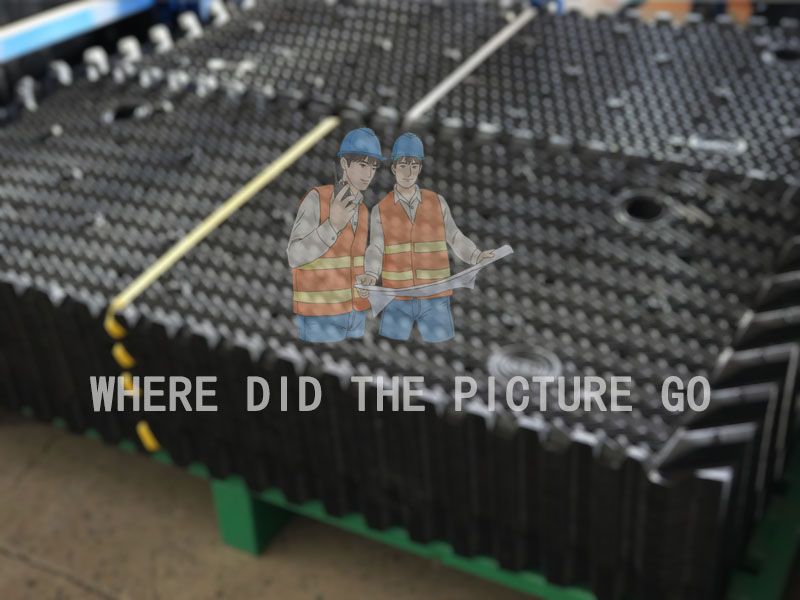
In many industrial plants, cooling problems are discovered only after production conditions are affected. Operators may notice higher process temperatures, unstable cooling water supply, or increased operating costs. However, the real reason is often hidden inside the cooling tower, especially the condition of the cooling tower fill.
During years of field service, I have found that many cooling systems still have good fans and pumps, but their heat exchange performance continues to decline because the internal fill has lost its original structure.
For engineers and purchasing teams looking for a reliable Cooling tower fill solution, the key is not only selecting a product. The more important point is understanding the working environment, water quality, temperature conditions, and maintenance requirements.
Cooling tower fill is the internal component that improves heat transfer between circulating water and air. It creates a larger contact surface and allows water to spread evenly while air passes through the tower.
Without proper fill, water flows too quickly through the tower and cannot release enough heat. The cooling capacity decreases even when the tower structure remains unchanged.
Modern cooling tower fill media is designed to improve:
From an engineering viewpoint, fill selection is one of the most important decisions when designing or upgrading an industrial cooling system.
Many users focus on pumps and motors because they are visible mechanical components. However, the fill section often determines whether the cooling tower can maintain its original performance.
Regular cooling tower fill maintenance helps prevent:
A cooling tower that is not maintained properly may consume more energy while producing lower cooling output.
A film fill cooling tower uses specially shaped sheets to create a thin water layer across the fill surface.
This design provides excellent heat exchange performance because the contact area between air and water is increased.
Film fill is commonly used in:
The limitation is that narrow channels can become blocked when water contains excessive solids or biological growth.
A splash fill cooling tower uses impact points to break falling water into smaller droplets.
This design is often selected for applications where water cleanliness is difficult to control.
For industrial processes using recycled water, splash structures are often a safer choice.
Corrugated fill uses angled channels to guide both air and water movement.
This structure provides a balance between thermal efficiency and operational reliability.
Many replacement projects choose corrugated designs because they can improve performance without major tower modifications.
PVC remains one of the most widely used materials in cooling tower applications.
PVC Cooling Tower Packing provides stable performance for many normal industrial conditions.
Main advantages include:
However, PVC performance may decrease under continuous high temperature conditions.
For more demanding applications, PP material provides better durability.
PP Cooling Tower Fill Media is often selected for systems exposed to higher temperatures or chemical environments.
Benefits include:
Cooling tower fill efficiency depends on more than just the fill type. The complete operating environment must be considered.
Important factors include:
In one industrial retrofit project, replacing aged fill improved cooling performance by approximately 15** without changing fans or pumps. The improvement came from restoring the original heat exchange area.
When selecting fill, engineers usually start with the application rather than the product name.
Important questions include:
For customers searching for a cooling tower filler factory, technical support and manufacturing experience are equally important.
A suitable supplier should understand different applications, including replacement projects, new cooling towers, and customized cooling solutions.
Cooling tower fill clogged problems are among the most common issues in industrial systems.
Main causes include:
Once blocked, airflow becomes restricted and cooling performance decreases.
Mineral deposits from hard water gradually cover the fill surface and reduce effective heat transfer.
This problem is especially common in regions with high mineral content water.
After years of operation, continuous heat exposure and chemical contact can weaken fill structures.
Damaged fill may collapse, deform, or lose its original airflow design.
A food processing factory in Malaysia experienced unstable cooling during peak production periods.
Inspection showed that the existing film fill had accumulated biological deposits after years of operation.
The solution was replacing the old structure with a more suitable cooling fill design and improving water treatment control.
The plant achieved more stable cooling conditions and reduced cleaning frequency.
A chemical facility in the Middle East operated under high ambient temperatures throughout the year.
The original fill material showed signs of deformation after continuous thermal exposure.
After upgrading to PP-based fill media, the system achieved better operating stability.
A wastewater treatment project required a cooling tower fill for dirty water conditions.
Traditional film fill created frequent blockage problems.
Engineers selected a more open splash structure, reducing maintenance problems and improving reliability.
Replacement should not wait until the cooling tower completely loses performance.
Early replacement planning can help avoid:
Many industrial users now work with a professional cooling tower fill replacement supplier to evaluate condition before failure occurs.
Choosing suitable products such as Cooling Tower Packing Fill or China Cooling Tower Infill depends on actual system requirements.
Cooling tower fill plays a central role in industrial cooling performance. The right structure, correct material selection, and regular maintenance can significantly extend system life.
Whether upgrading an existing tower or selecting fill for a new project, engineers should focus on operating conditions instead of choosing only based on price.
A reliable cooling system starts with a reliable heat exchange foundation.
Reduced cooling capacity, visible damage, blockage, and increased operating temperature are common signs.
Splash fill is usually preferred because it provides better resistance to blockage.
PP provides better temperature and chemical resistance, while PVC is suitable for many standard applications.
The frequency depends on water quality and operating conditions.
Light contamination can be cleaned, but damaged or aged fill usually requires replacement.
This article is written from the perspective of an industrial cooling engineer with more than 10 years of practical experience in cooling tower projects across Southeast Asia, the Middle East, Japan, and Korea. The technical opinions are based on real installation cases, troubleshooting experience, and industry references including ASHRAE and Cooling Technology Institute (CTI).
Leave a comment
All fields marked with an asterisk (*) are required