About Us
We are professional cooling tower fills manufacturer, which can supply wide ranges of cooling tower fills with PVC, PP or CPVC materials.

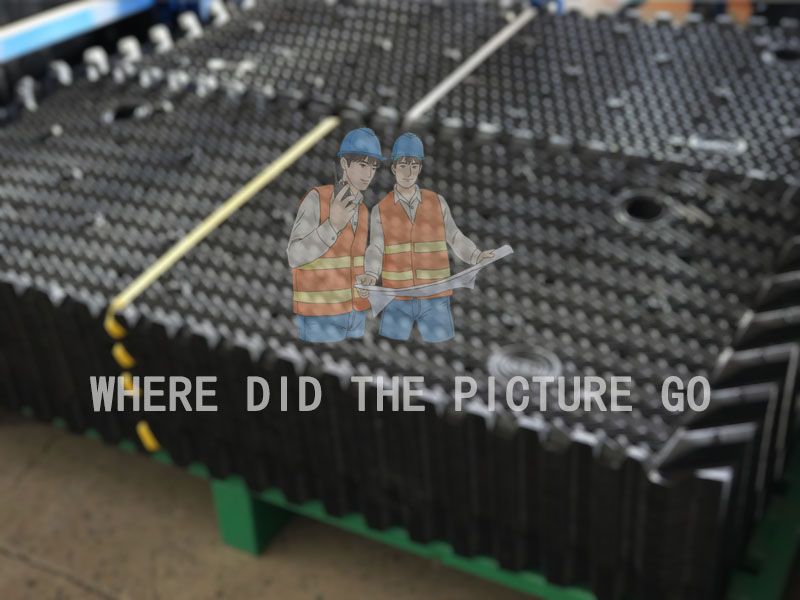
In many industrial cooling systems, stable performance depends heavily on the internal heat exchange media inside the tower. When circulating water temperature begins to fluctuate or cooling efficiency gradually declines, operators often look closely at the tower fill structure. In many cases, replacing aging media with properly designed cooling tower fills can restore system performance without requiring a full tower rebuild. This is why industries ranging from HVAC facilities to power plants regularly evaluate their tower fill condition as part of long term cooling system maintenance.
A cooling tower filler is the internal media that allows warm water and airflow to interact efficiently. When circulating water enters the tower, it spreads across the surface of the fill while air moves through the structure. The fill increases the contact area between water and air, which allows heat to dissipate more effectively.
Without properly designed cooling tower fills, water may flow too quickly, leaving large areas with poor air contact. In such situations, the cooling efficiency drops and the tower may require more fan power to maintain the same performance. A well designed tower fill solves this problem by guiding water across structured surfaces and creating stable heat exchange conditions.
This is one reason industrial plants often plan cooling tower fill replacement after several years of operation. Even if the tower structure itself is still strong, aging filler media can limit the cooling capacity of the entire system.
Counter flow cooling towers move air upward while water flows downward. This opposite flow pattern creates efficient heat exchange and is widely used in industrial process cooling systems. In this configuration, the tower fill must support stable vertical airflow and uniform water distribution.
If the filler structure is too dense or weak, it can cause airflow resistance or structural deformation. Over time this may reduce cooling efficiency and increase operating costs. Many replacement projects therefore focus on matching the original tower design while improving durability.
For example, some systems use structured media similar to the counter flow cooling tower fill, which is designed to maintain stable airflow channels while spreading water across a large surface area.
In cross flow cooling towers, air moves horizontally through the fill while water flows downward from the hot water basin. This design is commonly used in HVAC systems and medium sized industrial cooling towers.
Because the airflow direction is horizontal, the cooling tower filler needs to maintain open air passages while still providing enough surface area for water film formation. Corrugated structures are often used because they guide water along the surface while allowing air to move through the channels efficiently.
A good example of this type of structure can be seen in the cross flow cooling tower corrugated fill, which demonstrates how structured surfaces support balanced airflow and water distribution.
Some cooling towers require stronger water redistribution or improved turbulence to achieve better heat transfer. Corrugated structures can help create this effect by guiding water across wave shaped channels that increase contact with airflow.
In retrofit situations, this type of design is sometimes chosen during cooling tower fill replacement projects because it can improve system performance without modifying the entire tower structure. One commonly referenced design is similar to the S type corrugated cooling tower fill, which helps redistribute water more effectively across the media surface.
A professional cooling tower filler factory usually produces filler media using several types of industrial plastics. The choice of material depends on operating temperature, water chemistry, and system requirements.
PVC is one of the most common materials used in cooling tower fills. It offers good corrosion resistance, moderate temperature tolerance, and relatively low production cost. For many HVAC systems and standard industrial cooling towers, PVC tower fill provides a reliable and economical solution.
Polypropylene materials are often selected when the system operates at higher temperatures. Compared with standard PVC media, PP can withstand more demanding operating conditions and certain chemical environments.
CPVC is typically used in applications where water temperature is significantly higher than typical cooling tower operating conditions. This material provides stronger heat resistance and longer service life under aggressive conditions.
Some fill replacement factory manufacturers can also supply customized formulations when special temperature or chemical resistance requirements are involved.
Cooling tower filler media is manufactured using different structural designs. Each structure has specific advantages depending on water quality and cooling system requirements.
Film fill spreads water into thin layers across the surface of the media. This design maximizes heat transfer area and is widely used in systems where water quality is well controlled.
Splash fill breaks water into droplets by forcing it to impact bars or grids. This design is less sensitive to fouling and is often used in industrial environments where water contains suspended solids.
Corrugated cooling tower filler combines water distribution channels with airflow passages. The wave shaped surfaces help spread water evenly while allowing air to move smoothly through the structure.
Because of this balance between efficiency and durability, corrugated tower fill has become one of the most widely used solutions for modern cooling towers.
Several key factors determine the performance of cooling tower fills in real operating environments.
The larger the contact area between water and air, the more effective the cooling process becomes. Structured filler media is designed specifically to increase this interaction.
Excessive airflow resistance can increase fan power consumption. Efficient tower fill design must balance high heat transfer with acceptable pressure loss.
Even water distribution across the fill surface ensures consistent cooling performance. Poor distribution can lead to hot spots and reduced tower efficiency.
Industrial water systems often contain scale, algae, or debris. A well designed cooling tower filler reduces clogging risk and helps maintain long term performance.
Most cooling tower filler factory manufacturers offer both standard production sizes and customized solutions depending on tower design requirements.
Standard cooling tower fills are often supplied in modular sheets or assembled blocks that fit common tower structures. These modules are convenient for replacement projects where dimensions match typical industry specifications.
In some cases, cooling towers require custom sized media due to unique structural dimensions or retrofit requirements. A specialized fill replacement factory can adjust sheet thickness, corrugation angles, and block sizes to match the tower framework.
Custom manufacturing is particularly important when performing large scale cooling tower fill replacement projects in older industrial facilities.
Selecting the right tower fill involves evaluating several technical and operational factors.
Different tower designs require different filler structures. Counter flow and cross flow towers use different airflow patterns and therefore require different fill configurations.
The quality of circulating water can influence the choice between film fill and splash fill structures. Systems with high fouling potential may require more robust designs.
Higher operating temperatures require materials that can withstand thermal stress without deformation.
Some tower designs allow easier access for cleaning and inspection. Choosing the right tower fill can simplify long term maintenance.
Regular maintenance helps ensure that cooling tower fills maintain their performance over time.
Periodic inspection helps detect clogging, scaling, or physical damage before performance is affected.
Proper chemical treatment reduces scale formation and biological growth on the fill surfaces.
Depending on operating conditions, cooling tower filler media may require periodic cleaning or eventual replacement. Planning a scheduled cooling tower fill replacement helps prevent unexpected downtime.
For industrial buyers, working directly with a cooling tower filler factory provides several advantages. Manufacturers can offer technical support, customized production, and stable supply for both standard and specialized tower fill products.
When dealing with complex retrofit projects, a professional fill replacement factory can also review tower drawings and recommend appropriate filler structures based on real operating conditions.
This level of support helps reduce installation risks and ensures the selected cooling tower fills perform as expected after installation.
Cooling tower filler plays a critical role in maintaining the efficiency and reliability of industrial cooling systems. By selecting the correct material, structure, and size, operators can improve heat transfer performance and reduce long term operating costs.
Whether installing new cooling tower fills or planning a cooling tower fill replacement, understanding tower type, water conditions, and maintenance requirements will help ensure the system operates efficiently for years to come.
If you are unsure which cooling tower filler is suitable for your system, you can send us your cooling tower drawings, photos, or existing fill samples. Our team can help you identify the correct structure and recommend a suitable replacement solution.
Leave a comment
All fields marked with an asterisk (*) are required