About Us
We are professional cooling tower fills manufacturer, which can supply wide ranges of cooling tower fills with PVC, PP or CPVC materials.

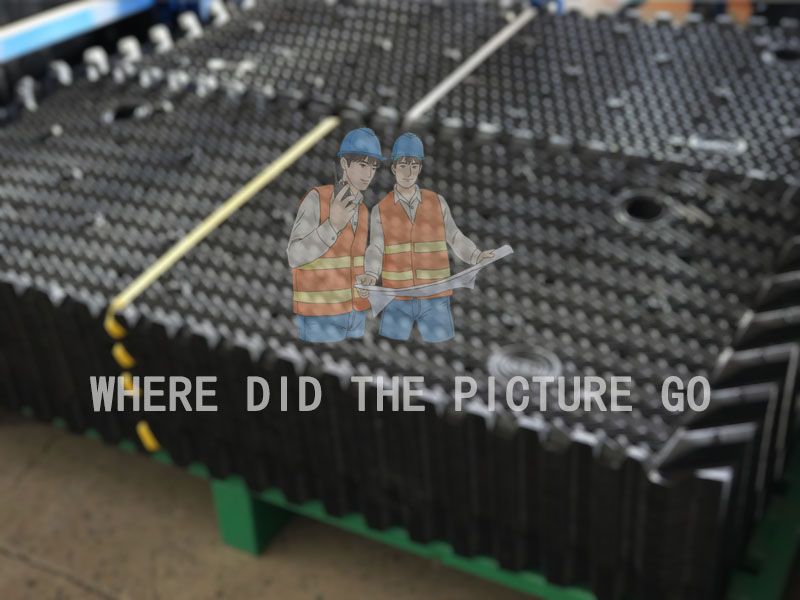
When people start comparing cooling tower fills, they usually begin with price, size, or material. But in real industrial use, the fill is one of the parts that decides whether the tower performs smoothly or keeps giving trouble. If the cooling result is unstable, the fan seems to work harder than it should, or the tower needs cleaning more often, the first thing many engineers check is the tower fill.
For projects in Southeast Asia, the Middle East, Japan, and Korea, this is especially important because water quality, climate, and operating load can vary a lot from site to site. That is why buyers often search for cooling tower fill replacement, tower fill, cooling tower filler, or even a reliable cooling tower filler factory when they need a practical solution instead of a generic product.
A good cooling tower filler does more than just sit inside the tower. It spreads water correctly, improves air contact, supports heat exchange, and helps the whole system work in a more stable way. In other words, the fill is not just a part inside the tower. It is a working surface that affects efficiency every day.
The working principle is simple, but the details matter. Warm circulating water enters the tower and passes through the fill media. At the same time, air moves through the tower body. The fill increases the contact area between water and air, which allows heat to escape more effectively.
If the fill surface is designed well, the water spreads evenly and forms a thin film or controlled droplets. That gives the air more time and more area to remove heat. If the fill is designed poorly, water may channel too fast, leave dry zones, or collect in uneven spots. The result is lower cooling performance and sometimes higher operating cost.
This is why industrial buyers often look carefully at both the structure and the material before ordering cooling tower fills. A fill that looks similar from the outside can still behave very differently in actual operation.
In counter flow cooling towers, air moves upward while water moves downward. This design is popular in industrial plants because it can provide strong cooling performance in a compact footprint. For this type of tower, the fill must support vertical airflow and stable water distribution.
A well matched fill can help the tower keep a good balance between performance and resistance. That is why replacement projects for counter flow systems usually need careful checking before purchase. In many cases, a buyer will compare the original structure with the replacement option to make sure the new media behaves the same way.
For reference, you can see one related product page here:counter flow cooling tower fill.
Cross flow towers are a little different. Air moves horizontally across the fill, while water flows downward from the hot water basin. This structure is common in HVAC systems and many commercial or industrial cooling projects. Because the airflow pattern is different, the fill must allow smooth passage of air while still keeping water distributed evenly.
Cross flow systems often work well with corrugated media because it supports surface coverage and airflow at the same time. It also gives maintenance teams a more manageable structure when cleaning or inspection is needed. For buyers planning replacement work, this style is often chosen because it is practical and efficient.
One example on our site is here:cross flow cooling tower corrugated fill.
Some towers need a structure that creates stronger turbulence and better water redistribution. Corrugated designs are often selected for that reason. An S type corrugated layout, for example, can improve water spread and create a more active contact surface inside the tower.
That makes it a useful choice when a project needs stronger performance without changing the whole tower system. It is also a popular option in many cooling tower fill replacement jobs because it offers a good balance between efficiency and installation flexibility.
You can view one matching product example here:S type corrugated cooling tower fill.
A cooling tower filler factory usually offers more than one material because operating conditions differ from one plant to another. The wrong material can reduce service life, deform under heat, or cause maintenance problems later.
PVC is the most common material for cooling tower fills. It is affordable, widely used, and suitable for many standard applications. For towers running within normal temperature ranges, PVC often gives a good mix of cost and performance.
PP is used when the system needs better heat resistance or stronger chemical tolerance. It is a practical choice for environments that are a little tougher than ordinary cooling conditions.
CPVC is usually selected for more demanding conditions where higher temperature resistance matters. In some industrial projects, this can make a big difference in service life.
Some cooling tower filler suppliers can also provide customized formulations for special water conditions or higher thermal demand. That is why it is always better to discuss the real working environment before deciding on the final material.
When buyers compare tower fill products, they often notice the material first. But structure is just as important. The internal design decides how water spreads, how air moves, and how likely the fill is to clog or foul over time.
Film type fill spreads water into thin layers across large surfaces. This gives a high heat transfer area and is often used when efficiency is the top priority. In clean water applications, film fill is usually one of the strongest options.
Splash type fill breaks water into droplets or small streams. It is more tolerant of dirty water and scale, which makes it a useful option where water quality is not ideal.
Corrugated fill uses wave like channels to improve water spread and airflow balance. It is one of the most flexible designs for industrial applications because it can support both performance and easier maintenance.
Many modern cooling tower fills are supplied in modular blocks or sheets. This makes transport, installation, and replacement easier. It is especially useful when a buyer needs a fast cooling tower fill replacement and wants to reduce downtime.
A good tower fill should do more than cool water. It should help the whole system run efficiently without adding unnecessary resistance or maintenance trouble.
The larger and more effective the contact area, the better the cooling result. This is why structured fills are so widely used in industrial towers.
If the fill restricts air too much, the fan has to work harder. That can increase energy use and reduce system efficiency. The best design keeps resistance under control while still giving strong heat exchange.
Even water spread is essential. Uneven flow can create dry zones, over wet zones, and reduced cooling output. A reliable cooling tower filler should help maintain a stable water path across the entire fill area.
Scale, algae, and suspended solids are common problems in real industrial systems. A fill that resists fouling better will usually stay in service longer and need less frequent cleaning.
Not every project can use a standard solution. Some towers are built to common sizes, while others need custom production because the tower body, water distribution system, or support frame is unique.
Standard sized cooling tower fills are usually easier to source and faster to install. They work well when the tower structure is common and the replacement needs are straightforward.
Custom sizing is often the better choice for older towers, retrofit jobs, or special equipment. A professional cooling tower filler factory can adjust thickness, size, channel angle, and block layout to fit the actual tower.
If the fill does not fit properly, installation becomes difficult and performance can suffer. Gaps, poor support, and misalignment may lead to bypass air or uneven water flow. That is why many engineers prefer to confirm drawings before placing an order.
Buying cooling tower filler is not just about selecting a product name. It is about making sure the fill can actually work in your tower for a long time.
Counter flow and cross flow towers should not be treated the same. Their air paths and water paths are different, so the fill choice should reflect that.
Water quality affects scale, fouling, and cleaning frequency. A fill that performs well in one plant may not work as well in another plant with harder water or more impurities.
Material selection should always match the real temperature range. A cheaper material can become expensive if it fails too early.
Some fills need more cleaning, while others are more forgiving. Knowing the maintenance routine in advance can save time and cost later.
Even a high quality tower fill needs regular care. Basic maintenance can make a big difference in how long it lasts and how well it performs.
Check the fill for cracks, deformation, clogging, and uneven water flow. Small issues are much easier to solve early.
Good water treatment helps reduce scaling and biological growth. This protects the fill and keeps the cooling process more stable.
Cleaning should be done based on real operating conditions, not just on a fixed calendar. Some towers need more frequent attention, while others can go longer between cleanings.
When the fill becomes brittle, heavily clogged, or no longer supports proper cooling, replacement is the better choice. A cooling tower fill replacement is often more economical than repeated repair.
For many buyers, working directly with a cooling tower filler factory makes the buying process easier and safer. A real manufacturer can help with structure selection, size matching, material choice, and practical installation advice.
This becomes especially useful for retrofit projects or towers with special dimensions. In those cases, the supplier needs to understand both the product and the actual operating environment. That is one reason many industrial customers prefer to work with a specialized fill replacement factory instead of a general trading source.
A good supplier should be able to discuss not only the product, but also the tower type, water condition, and replacement goal in a clear and practical way.
Cooling tower fill plays a major role in how well a cooling tower performs. The right structure, material, and size can improve heat transfer, support stable operation, and reduce long term maintenance pressure. Whether you are choosing cooling tower fills for a new project or planning a cooling tower fill replacement for an existing system, it pays to look at the full picture instead of only the unit price.
For industrial buyers, the best results usually come from matching the fill to the tower type, water condition, and operating demand. That is also why many teams prefer to work with a trusted cooling tower filler factory that can support both standard and custom production.
If you are not sure which cooling tower filler is the right match, you can send us your drawing, photos, or old fill sample. We can help you identify the structure and suggest a suitable replacement solution based on your tower.
Leave a comment
All fields marked with an asterisk (*) are required