About Us
We are professional cooling tower fills manufacturer, which can supply wide ranges of cooling tower fills with PVC, PP or CPVC materials.

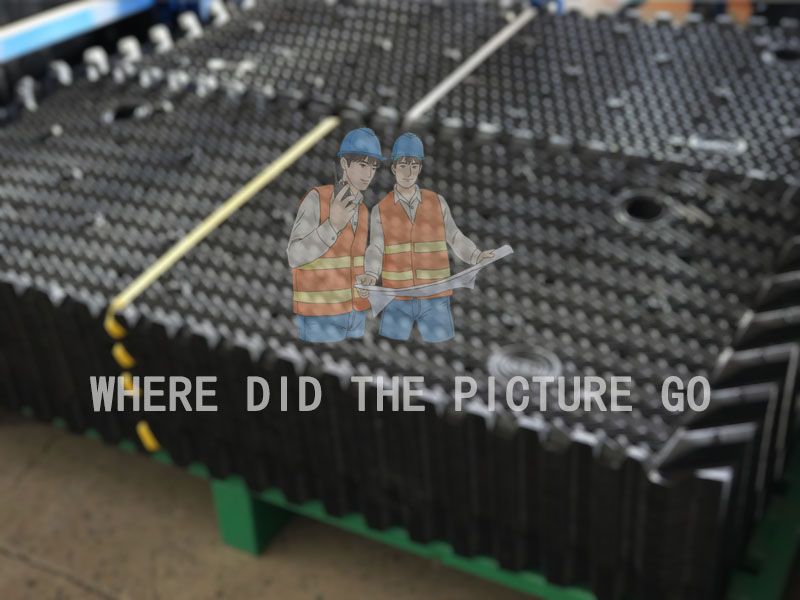
If you have been in this industry for any length of time you already know that the cooling tower fill media you choose can make or break your entire cooling system performance. I have spent the better part of two decades working with plants across Southeast Asia the Middle East and Korea and I cannot tell you how many times I have seen operations struggle simply because they grabbed whatever fill was cheapest without thinking about their actual conditions. Let me walk you through what actually matters when you are selecting cooling tower packing because trust me the upfront savings are never worth the long term headaches.
Before we get into the weeds let us make sure we are on the same page. Cooling tower fill media sometimes called cooling tower packing or tower fill is the material inside your cooling tower that maximizes the contact between air and water. The whole point is to increase the surface area so that heat transfer happens efficiently. Without good cooling fill your tower is basically just an expensive fan moving air around without doing much actual cooling.
Think of it this way. If you have ever tried to cool a hot drink by blowing on it versus pouring it over a wide shallow dish you already understand the principle. The more surface area you expose to air the faster the heat leaves. That is exactly what your cooling tower fill does inside your tower. It breaks the water into thin films or small droplets so that every drop gets maximum exposure to the airflow.
Now here is something I wish someone had told me earlier in my career. The fill is not just some passive component you install and forget about. It is the heart of your cooling tower. I have seen facilities in Thailand replace old degraded fill and instantly drop their approach temperature by two or three degrees Celsius without changing anything else. That is real money saved on energy bills.
When people ask me about cooling tower fill media the first thing I ask them is whether they are running a counterflow or crossflow tower. But more importantly I need to know whether they need film fill or splash fill. These are two completely different animals and mixing them up is a costly mistake.
Film fill cooling tower designs are what most modern installations use. The water flows as a thin film over closely spaced sheets of material. This creates massive surface area in a compact space. I have seen film fill packs that achieve over 200 square feet of surface area per cubic foot of fill volume. That is incredible efficiency.
The film type creates a continuous water layer that maximizes heat transfer. In most towers film fill is the preferred material. Film fills contribute to 60 to 70 percent of the overall temperature reduction in cooling towers. If you are running a high performance operation you probably want film fill.
However film fill does have its limitations. It is more susceptible to fouling from dirty water. If your water quality is poor you might find that biological growth or scale builds up between the sheets and reduces performance over time. That is why regular maintenance and proper water treatment are non negotiable when you run film fill.
Splash fill works differently. Instead of forming a film the fill breaks water into droplets that splash from one level to the next. This type is more forgiving with dirty water because there are no tight spaces for debris to get trapped. I have recommended splash fill to clients in the Middle East who are dealing with hard water and high mineral content. It handles those tough conditions better than film fill.
The trade off is that splash fill typically requires more tower volume to achieve the same cooling performance as film fill. You need more height or more cross section to get equivalent heat transfer. So if space is tight in your plant you might need to stick with film fill and invest in better water treatment instead.
This is where a lot of people get tripped up. The material of your cooling tower fill matters just as much as the design. I cannot tell you how many times I have seen someone install cheap PVC fill in an application that runs too hot and watched it warp and fail within months. Understanding your operating temperature is absolutely critical.
At cooling tower fill we work with three main materials PVC polypropylene and PVC. Let me break down when to use each one.
PVC is the workhorse of the industry. It has been the overwhelming material of choice for cooling tower components for decades. When your water temperature stays at or below 45 degrees Celsius PVC is highly recommended. It offers a great balance of cost performance and durability. Most standard cooling applications fall into this range.
I have installed PVC fill in countless projects across Southeast Asia where ambient temperatures are high but process water stays within the PVC range. It works beautifully and keeps costs reasonable. Just do not push it beyond its limits. Once you start creeping above 50 degrees Celsius you are asking for trouble.
Polypropylene or PP offers better chemical resistance than standard PVC. If your water has aggressive chemicals or if you are running in an environment where corrosion is a concern PP might be your better option. It handles a wider range of pH levels and resists degradation from many industrial chemicals.
The temperature rating for PP is similar to PVC at around 55 degrees Celsius. But where PP really shines is in its resistance to certain chemicals that would attack standard PVC. I have recommended PP to clients in the chemical processing industry who were having trouble with PVC fill breaking down prematurely.
High temperature PVC is what you need when things get hot. This grade has a heat deflection temperature about 30 degrees Fahrenheit or about 16.67 degrees Celsius greater than standard PVC. If your water temperature is above 50 degrees Celsius and below about 65 to 75 degrees Celsius you should be looking at high temperature PVC.
I have worked with plants in the Middle East where cooling water temperatures run high due to the extreme ambient conditions. In those environments high temperature PVC is not optional it is essential. The extra cost of this grade is nothing compared to the cost of replacing failed standard PVC fill and dealing with production downtime.
One thing to keep in mind though. Both high temperature PVC and blends are more susceptible to ultraviolet degradation. If your cooling tower is exposed to direct sunlight you need to protect the fill from UV exposure. Otherwise you will see embrittlement and loss of impact resistance over time.
The global cooling tower fill media market is evolving rapidly. As of 2026 the market is navigating a complex landscape of regulatory pressures technological advancements in material science and shifting priorities towards operational efficiency and water conservation. Understanding these trends helps you make smarter purchasing decisions.
The market is projected to grow at a compound annual growth rate of around 4 to 6 percent from 2026 to 2035. This growth is driven by replacement cycles in mature cooling tower installations and capacity expansion in industrial processing power generation and data center cooling. If you are planning new installations or upgrades you are not alone. Many facilities are making similar moves.
I see this firsthand in my work with clients across different regions. The Asia cooling tower fill media market is characterized by robust demand driven by sustained industrialization power generation expansion and the modernization of HVAC systems across commercial real estate. Southeast Asia in particular is seeing massive growth in cooling tower installations as economies expand and industrialization accelerates.
One trend I am watching closely is the adoption of high efficiency and sustainable media solutions. Plants are increasingly looking for fill that not only performs well but also reduces water consumption and energy usage. This is not just about being environmentally responsible. It is about saving money. Every gallon of water saved and every kilowatt of electricity reduced goes straight to your bottom line.
The global cooling tower fill media market size was valued at approximately 710 million US dollars in 2025 and is expected to reach about 945 million US dollars by 2032. That is significant growth and it tells me that more and more facility managers are recognizing the importance of quality fill media. If you are still treating fill as a commodity you are missing the bigger picture.
While the fill is the star of the show it does not work alone. Your cooling tower has other critical components that work together with the fill to achieve optimal performance. Understanding the whole system helps you troubleshoot problems and make better purchasing decisions.
The Air intake grille is your first line of defense. It controls the airflow entering the tower and prevents large debris from getting into the fill. I have seen towers where the air intake grille was damaged or missing and the fill got clogged with leaves birds and all kinds of junk. That is a maintenance nightmare you do not want.
A properly designed air intake grille ensures uniform airflow across the entire face of the fill. Uneven airflow means uneven cooling and hot spots that reduce overall efficiency. When you are specifying a complete cooling tower system do not overlook this component. It might seem simple but it plays a crucial role.
The Water Collector is another essential piece. It captures the cooled water after it has passed through the fill and directs it to the cold water basin. A well designed water collector minimizes water carryover which is when water droplets get entrained in the exiting air stream and escape the tower.
Water carryover is more than just lost water. It can cause corrosion on surrounding structures create slippery surfaces and even contribute to biological growth in the area around the tower. I have seen facilities lose thousands of gallons of water per year simply because their water collector was not performing properly. That is money literally going up in steam.
After years of working with cooling towers across Southeast Asia the Middle East and Korea I have picked up a few practical lessons that do not show up in the spec sheets. Let me share some of them with you.
This sounds obvious but you would be surprised how many people skip this step. Get a water analysis before you select your cooling tower packing. Know the pH total dissolved solids hardness and biological content. These factors will influence not only your material choice but also the type of fill design you should use.
If your water has high solids content you might want to avoid tight film fill designs that trap particles. If your water is aggressive you might need high temperature PVC or PP instead of standard PVC. Do not guess on this stuff. Test your water and make an informed decision.
One of the biggest complaints I hear from plant operators is that their cooling tower fill is difficult to access for cleaning and inspection. When you are designing your system or selecting replacement fill think about how you will get to it. Can you easily remove sections for cleaning? Is there room for someone to walk through the tower if needed?
I have worked with facilities that installed fill packs so tightly that they could not even get a hose in there to wash them down. That is a recipe for fouling and reduced performance. Leave yourself some room to work. Your maintenance crew will thank you.
Not all fill is created equal when it comes to installation. Some designs are modular and easy to handle while others require special tools or techniques. If you are doing the installation yourself or with your own crew make sure you understand what you are getting into.
I once worked with a client in Korea who bought a high performance film fill that was shipped in large rigid blocks. Getting those blocks into the tower required removing structural members and using a crane. The installation cost more than the fill itself. A different design with smaller modular sections would have gone in much easier and saved thousands of dollars in labor.
The approach temperature is the difference between the cold water temperature leaving the tower and the ambient wet bulb temperature. This is the single best indicator of how well your tower is performing. If you see your approach temperature creeping up over time your fill is likely fouled or degrading.
I recommend tracking this number weekly. A sudden increase might indicate a problem with the fill or the water distribution system. Catching issues early prevents costly downtime. Remember that film fills contribute 60 to 70 percent of the total temperature reduction. If your fill is not performing neither is your tower.
Let me save you some pain by pointing out the mistakes I see most often. Learn from other people's errors so you do not have to make them yourself.
I cannot emphasize this enough. The cheapest cooling tower fill media is almost never the best value. I have seen facilities save a few hundred dollars on fill only to spend thousands on increased energy costs and premature replacement. Quality fill from a reputable manufacturer will last longer and perform better.
Think about the total cost of ownership not just the purchase price. A high quality fill might cost 20 percent more but if it lasts twice as long and reduces your energy consumption by 5 percent the math works in your favor every time.
Manufacturers specify temperature limits flow rates and other operating parameters for a reason. I have seen people push PVC fill beyond its rated temperature and watch it warp and collapse. I have seen people overload fill beyond its designed flow rate and create flooding and air distribution problems.
Read the specifications. Follow them. If you need to operate outside the recommended range talk to the manufacturer about custom solutions. At cooling tower fill we can customize fill for your specific requirements. Do not try to force a standard product into a non standard application.
The fill is only as good as the water distribution system above it. If water is not distributed evenly across the fill surface some areas will be overloaded while others remain dry. This creates inefficiency and can lead to localized fouling or scaling.
Check your nozzles and distribution basins regularly. Make sure they are clean and functioning properly. A well designed fill with a poorly performing distribution system will underperform every time.
Since you are serving clients in Southeast Asia the Middle East and Korea let me share some region specific observations that might help you serve your customers better.
This region has high ambient temperatures and high humidity which makes cooling tower performance challenging. The wet bulb temperatures are high so achieving a low approach temperature requires excellent fill performance. I have found that film fill designs with high surface area work well here provided the water quality is managed properly.
Many facilities in Southeast Asia are also dealing with variable water quality. Some areas have hard water while others have soft water with different biological growth characteristics. Understanding the local water conditions is essential for recommending the right fill.
The Middle East presents extreme conditions. Ambient temperatures can exceed 50 degrees Celsius and water temperatures are often elevated. This is high temperature PVC territory for many applications. Standard PVC simply cannot handle the heat.
Water scarcity is also a major concern in this region. Facilities are under pressure to minimize water consumption and reduce drift losses. A well designed Water Collector becomes especially important here to minimize water carryover. Every drop counts.
Korea has four distinct seasons with cold winters that create freezing concerns. Anti icing and freeze protection become important considerations. The fill material needs to withstand thermal cycling as temperatures swing from hot summers to freezing winters.
Korean facilities also tend to be highly automated and data driven. Facility managers track performance metrics closely and expect high quality components that deliver consistent results. This is a market where quality and reliability matter as much as price.
The industry is evolving and staying current with technology trends helps you serve your customers better. Here are some developments I am watching.
Research continues on alternative materials including bamboo woven packing which has been found to be a superior alternative to plastic packing in some applications. While bamboo is not suitable for every application it shows that the industry is exploring sustainable options.
There is also ongoing work on optimizing fill designs using computational fluid dynamics or CFD modeling. Manufacturers can now simulate how different fill designs will perform before they ever produce a physical prototype. This leads to better performing products and faster innovation.
Nanofluid research is exploring whether adding magnetic nanoparticles to cooling water can improve heat transfer. While this is still in the experimental stage it points to a future where cooling tower performance might be enhanced through chemistry as well as mechanical design.
What does this mean for you as a buyer or specifier? Stay informed. Work with manufacturers who invest in research and development. The cooling tower fill you buy today might be outdated in five years but if you choose a quality product from a forward thinking manufacturer you will get better performance and longer life.
After all these years working with cooling towers across three very different regions I have come to a simple conclusion. The fill matters more than most people realize. It is not just a commodity to be purchased on price alone. It is a critical component that affects your energy costs your water consumption and your overall plant reliability.
When you are selecting cooling tower fill take the time to understand your operating conditions. Know your water temperature water quality and airflow. Choose the right material whether that is standard PVC high temperature PVC or PP. Select the right design whether that is film fill or splash fill. And do not forget the supporting components like the Air intake grille and Water Collector that work together with your fill to deliver optimal performance.
Your cooling tower is an investment. Treat it like one. Choose quality components from a manufacturer you trust. At cooling tower fill we understand the challenges you face in Southeast Asia the Middle East and Korea. We have the experience and the products to help you succeed. If you do not see exactly what you need in our standard lineup just let us know. We can customize cooling tower packing to meet your specific requirements.
That is my advice from years in the field. Choose wisely maintain diligently and your cooling tower will serve you well for many years to come.
Leave a comment
All fields marked with an asterisk (*) are required