About Us
We are professional cooling tower fills manufacturer, which can supply wide ranges of cooling tower fills with PVC, PP or CPVC materials.

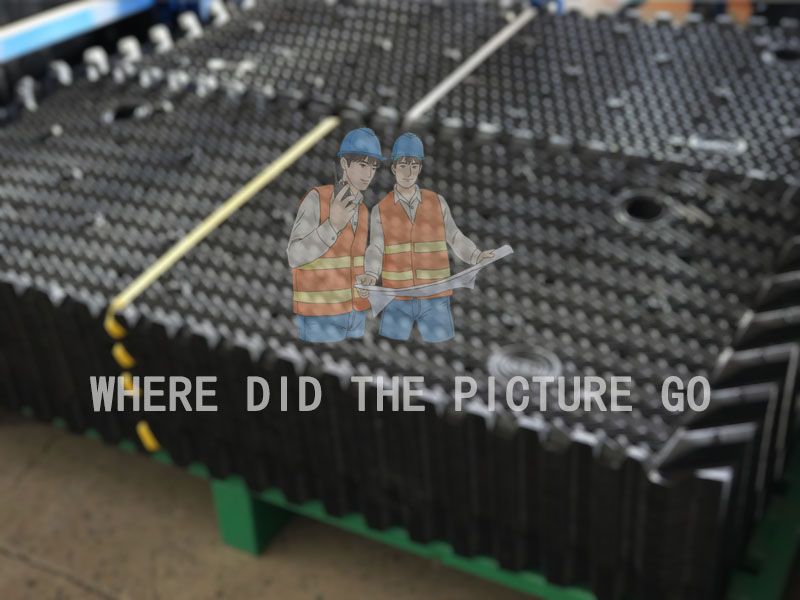
In real industrial operation, when cooling performance drops, most engineers first check pumps, fans, or water distribution. However, after years of field experience across Southeast Asia and the Middle East, the real issue is often the Cooling tower fill.
Clogging, aging, poor design, or wrong material selection can reduce system efficiency by 15**–35**. In high-temperature or dirty water environments, the wrong cooling fill choice leads directly to shutdown risks, unstable outlet temperatures, and higher operating costs.
Cooling tower fill is the internal heat exchange medium that maximizes contact between circulating water and air. It plays a decisive role in heat rejection efficiency.
From an engineering standpoint, cooling tower fill media works by:
Whether you call it tower fill, cooling fill, or Cooling Tower Packing, its function remains the same: improve thermal performance while maintaining airflow balance.
Film fill cooling tower systems use structured sheets to create continuous water films. This design provides the highest cooling tower fill efficiency under clean water conditions.
Film fill is widely used in HVAC and clean circulating systems.
Splash fill cooling tower systems break water into droplets through multiple layers of bars or grids.
This type is common in steel plants and wastewater systems.
Corrugated fill is a structured design combining airflow optimization with mechanical strength.
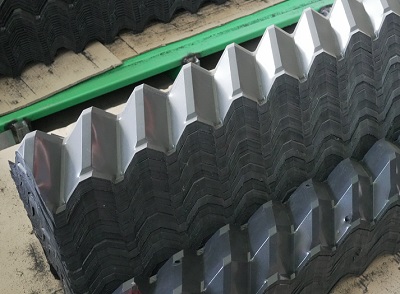
PVC cooling tower fill is the most common option due to cost efficiency and stable performance.
Many PVC Cooling Tower Packing applications are in standard industrial cooling systems.
PP cooling tower fill is designed for demanding environments.
In high-temperature regions, PP Cooling Tower Fill Media is often the only reliable choice.
Cooling tower fill efficiency depends on multiple engineering factors:
In one refinery project in Saudi Arabia, replacing aging China Cooling Tower Filler improved system efficiency by 22**. Fan power consumption dropped by 10** due to reduced airflow resistance.
Poor cooling tower fill design often creates airflow dead zones, which cannot be fixed by increasing fan speed. The only effective solution is proper fill selection.
From a procurement perspective, selecting the right cooling tower fill is a structured process:
For example:
Most industrial buyers now prefer China Cooling Tower Infill suppliers due to cost-performance balance.
Cooling tower fill clogged situations are extremely common in Southeast Asia.
Once clogged, airflow drops sharply and cooling capacity declines.
Hard water leads to mineral deposits on cooling tower fill material.
UV exposure and chemical attack cause material brittleness.
Aging fill must be replaced to maintain stable operation.
Proper cooling tower fill maintenance significantly extends service life:
Ignoring maintenance usually leads to unexpected shutdown.
A palm oil factory in Indonesia suffered frequent clogging. The original film fill failed within one year.
Solution:
Result: maintenance frequency reduced by 50**.
In a Middle East petrochemical plant, water temperature reached 75°C.
Solution:
Result: service life increased from 1.5 years to over 4 years.
A steel plant in Vietnam used contaminated circulating water.
Solution:
Result: airflow stability improved, downtime reduced significantly.
Cooling tower fill is not just a component — it defines system performance.
Choosing the right cooling tower fill media can:
For procurement engineers, the key is not price alone, but matching design, material, and working conditions.
Explore more solutions at:Cooling Tower Packing Filll andChina Cooling Tower Filler
It depends on temperature and water quality. PVC for normal conditions, PP for high temperature.
When clogging, deformation, or efficiency loss becomes significant.
Use proper filtration, chemical treatment, and choose suitable fill type.
Splash fill cooling tower systems perform best in contaminated environments.
Yes, cooling tower fill design directly impacts airflow and heat transfer.
This article is written by an engineer with over 10 years of experience in cooling tower system design, troubleshooting, and international project delivery across Southeast Asia and the Middle East. The insights are based on real project data and field optimization practices.
Recommended references for further reading:
Leave a comment
All fields marked with an asterisk (*) are required