About Us
We are professional cooling tower fills manufacturer, which can supply wide ranges of cooling tower fills with PVC, PP or CPVC materials.

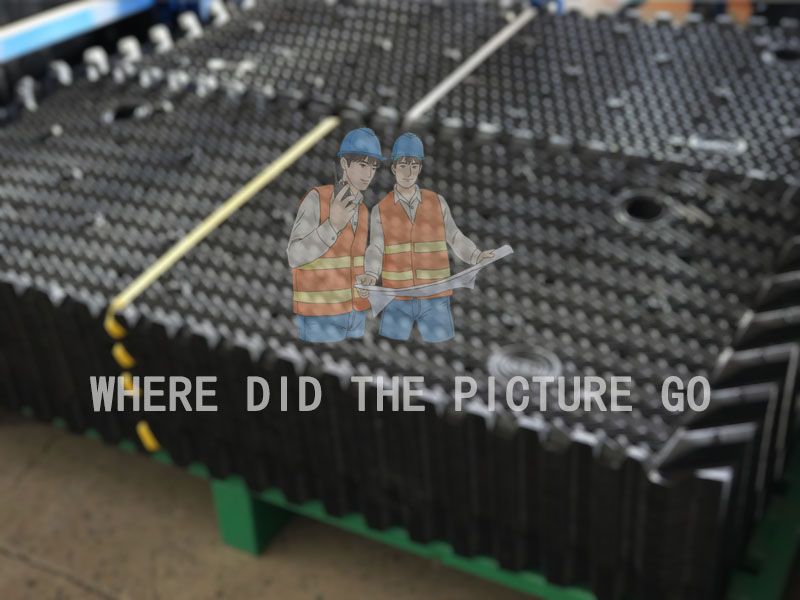
Cooling towers have become an essential part of modern industrial infrastructure. From manufacturing plants and power stations to commercial buildings and large-scale facilities, cooling towers help remove unwanted heat and maintain stable operating conditions.
With the continuous growth of global industries, the demand for reliable and efficient cooling solutions is increasing. Companies are now paying more attention to energy consumption, water management, equipment reliability, and long-term maintenance costs.
As a result, the cooling tower industry is gradually moving toward higher efficiency, improved materials, and smarter maintenance solutions. Components that were once considered simple replacement parts, such as cooling tower fill, are now receiving more attention because they directly influence heat transfer performance.
Understanding these industry trends helps cooling tower users, engineering companies, and distributors make better decisions when planning new projects or upgrading existing systems.
The demand for cooling systems is closely connected with industrial development. As more factories, commercial buildings, and infrastructure projects are built, the need for effective heat removal solutions continues to increase.
Several factors are supporting the growth of the cooling tower market:
Cooling towers are no longer viewed as simple auxiliary equipment. They are becoming an important part of improving operational efficiency and reducing resource consumption.
One of the biggest trends in the cooling tower industry is the increasing focus on energy efficiency.
Industrial companies are looking for ways to maintain cooling performance while reducing operating costs. This has encouraged manufacturers and engineers to improve cooling tower designs, materials, and internal components.
The efficiency of a cooling tower depends on many factors, including:
Among these factors, the fill system plays an important role because it determines how effectively water and air exchange heat.
Modern cooling tower packing designs focus on creating more effective contact between water and air while maintaining suitable airflow resistance.
In the past, many users considered cooling tower fill as a standard consumable component. Today, more engineers understand that fill selection can influence the overall performance of a cooling system.
Advanced cooling tower fill media is designed to provide:
For example, Film Fill has become widely used in many modern cooling towers because its surface structure allows water to spread into a thin layer, improving contact between water and air.
The development of fill technology reflects a broader industry trend: improving efficiency through better component design.
Different regions have different cooling requirements depending on climate, industrial structure, and economic development.
Southeast Asia has become one of the important regions for industrial development. Countries such as Thailand, Vietnam, Malaysia, Indonesia, and the Philippines continue to attract manufacturing investment.
Industries requiring cooling systems in this region include:
Because many Southeast Asian countries experience high temperatures and humidity throughout the year, cooling towers need to operate reliably for long periods.
This creates demand for durable tower fill solutions that can maintain stable performance under challenging climate conditions.
The Middle East represents another important market for cooling tower applications.
High ambient temperatures and large industrial projects create strong demand for efficient cooling systems.
Major application areas include:
In these environments, cooling equipment often operates under high thermal loads. Material selection, maintenance planning, and system design become especially important.
Japan and South Korea have mature industrial markets with high requirements for reliability and precision.
Industries such as semiconductor manufacturing, electronics production, automotive manufacturing, and chemical processing require stable temperature control.
For these applications, cooling tower components need to provide consistent performance over long operating periods.
Materials play an important role in the development of modern cooling towers.
Manufacturers continue improving materials to achieve better durability, temperature resistance, and chemical stability.
PVC remains one of the most commonly used materials for cooling tower fill manufacturing.
It is widely used because of its balanced performance, forming ability, and suitability for many standard cooling applications.
PP materials are gaining attention in applications where higher temperature resistance and improved chemical stability are required.
Different industries may choose different materials depending on their operating conditions.
The future trend is not about replacing one material with another, but about selecting the most suitable material for each specific application.
Water management is becoming increasingly important in cooling tower operation.
Many industries are looking for ways to reduce water loss while maintaining effective cooling performance.
Components that help control water loss are becoming more important.
For example, the Water Collector helps reduce water droplets leaving the cooling tower with discharged air, improving water recovery efficiency.
Better water management is expected to become an important direction for future cooling system development.
Airflow is another important factor influencing cooling tower performance.
A cooling tower requires sufficient air movement to remove heat effectively. Poor airflow can reduce the performance of even high quality fill media.
The air intake area is especially important because it controls how outside air enters the tower.
The Air intake grille helps guide airflow while reducing water splash and improving system operation.
As many existing cooling towers continue operating for years, maintenance and replacement services are becoming an important part of the industry.
Many companies choose to upgrade key components instead of replacing the complete cooling tower.
Common upgrade projects include:
This trend creates opportunities for cooling tower component suppliers and maintenance companies worldwide.
Looking ahead, several trends are expected to influence the cooling tower market:
Cooling tower users are becoming more focused on total operating performance instead of only initial equipment cost.
The global cooling tower industry is moving toward higher efficiency, better reliability, and more sustainable operation.
As industrial requirements continue changing, every part of the cooling system becomes increasingly important. Components such as tower fill, airflow accessories, and water management parts all contribute to the final cooling performance.
For companies planning new cooling projects or upgrading existing systems, understanding industry trends can help them choose more suitable solutions and improve long-term operational reliability.
The future of cooling towers will not only depend on larger equipment capacity but also on smarter design, better materials, and more efficient components working together.
Leave a comment
All fields marked with an asterisk (*) are required