
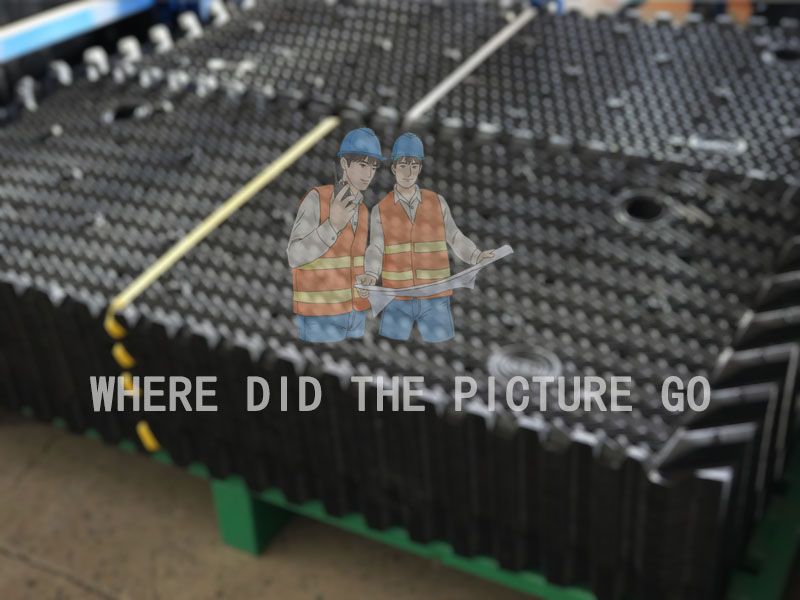
When purchasing Cooling Tower Media, many buyers focus only on unit price. In practice, the real cost of a cooling tower fill is measured over years of operation — energy consumption, maintenance time, and replacement cycles.
Understanding how fill affects operating cost
Fill design directly influences airflow resistance and heat transfer efficiency. A poorly designed tower fill increases fan power consumption and reduces cooling capacity, forcing chillers or processes to work harder.
Film Fill systems — efficiency-driven design
Film Fill cooling tower designs prioritize thin water films and high surface density. Corrugated Fill structures guide water evenly, reducing dry zones and maximizing thermal performance. For plants with controlled water quality, this often delivers the lowest life-cycle cost.
Splash systems — stability over peak performance
Splash fill remains popular where water quality fluctuates. While energy efficiency is lower, the reduced fouling risk often means fewer shutdowns and less frequent cleaning — a major advantage for continuous-process plants.
Material durability and service life
- Standard PVC film fill: economical, moderate lifespan
- UV-stabilized PVC: extended service life for outdoor towers
- PP fill: higher upfront cost, better chemical resistance
- HDPE splash elements: long-lasting under mechanical stress
Standard sizes vs custom fabrication
Standard modular blocks simplify logistics and inventory. Custom-sized fills reduce bypass airflow and improve real-world efficiency. The right choice depends on shutdown time, tower geometry, and future maintenance plans.
Maintenance cost — often underestimated
Over a 5–10 year period, maintenance labor and downtime can exceed the original fill cost. Modular fill designs allow partial replacement, reducing both downtime and spare inventory.
Signs your fill is reaching end of life
- Persistent loss of approach temperature
- Visible sagging or deformation
- Excessive scaling or biofilm buildup
- Increased drift and water loss
Supporting products that improve system efficiency
Proper airflow and water management protect your fill investment. Our Air intake grille helps stabilize airflow, while the Cooling tower water collector supports even water distribution and reduces operational losses.
Planning for long-term performance
A cooling tower should be treated as a system, not a collection of parts. Matching fill type, material, airflow components, and maintenance strategy ensures stable performance across seasonal changes.
Conclusion — smart fill selection saves money
The cheapest fill rarely delivers the lowest operating cost. By selecting the right Cooling Fill for your environment and usage pattern, you gain predictable performance, lower energy use, and fewer emergency shutdowns.
Talk to us before your next replacement
If you’re planning a replacement or evaluating long-term operating costs, share your tower details, drawings, or on-site photos with our team. We’ll help you compare options and select a fill solution that fits your budget and operating goals.
Contact us for a recommendation
Leave a comment
All fields marked with an asterisk (*) are required